Anna Kesäniemi
Please share a bit about yourself and your background.
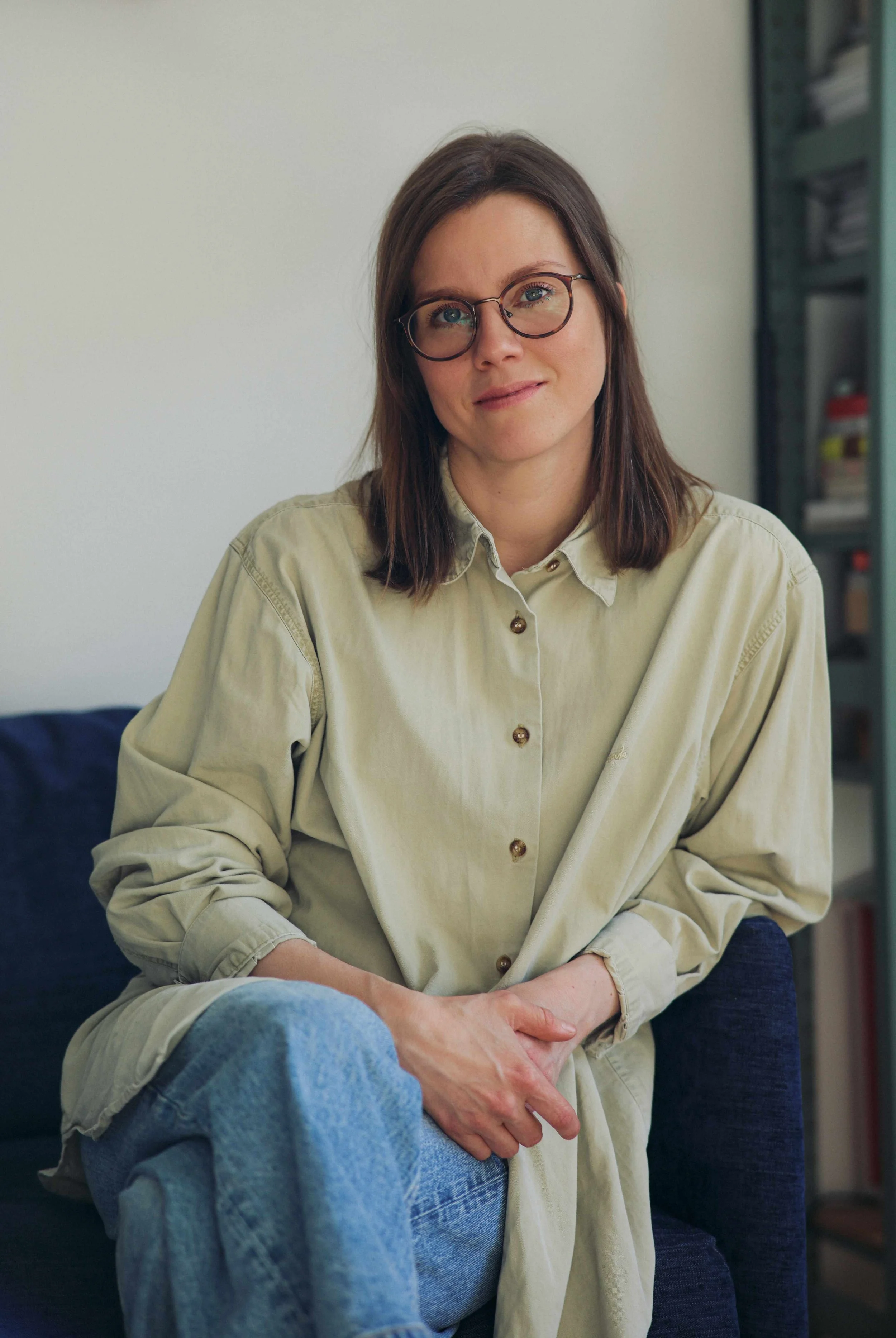
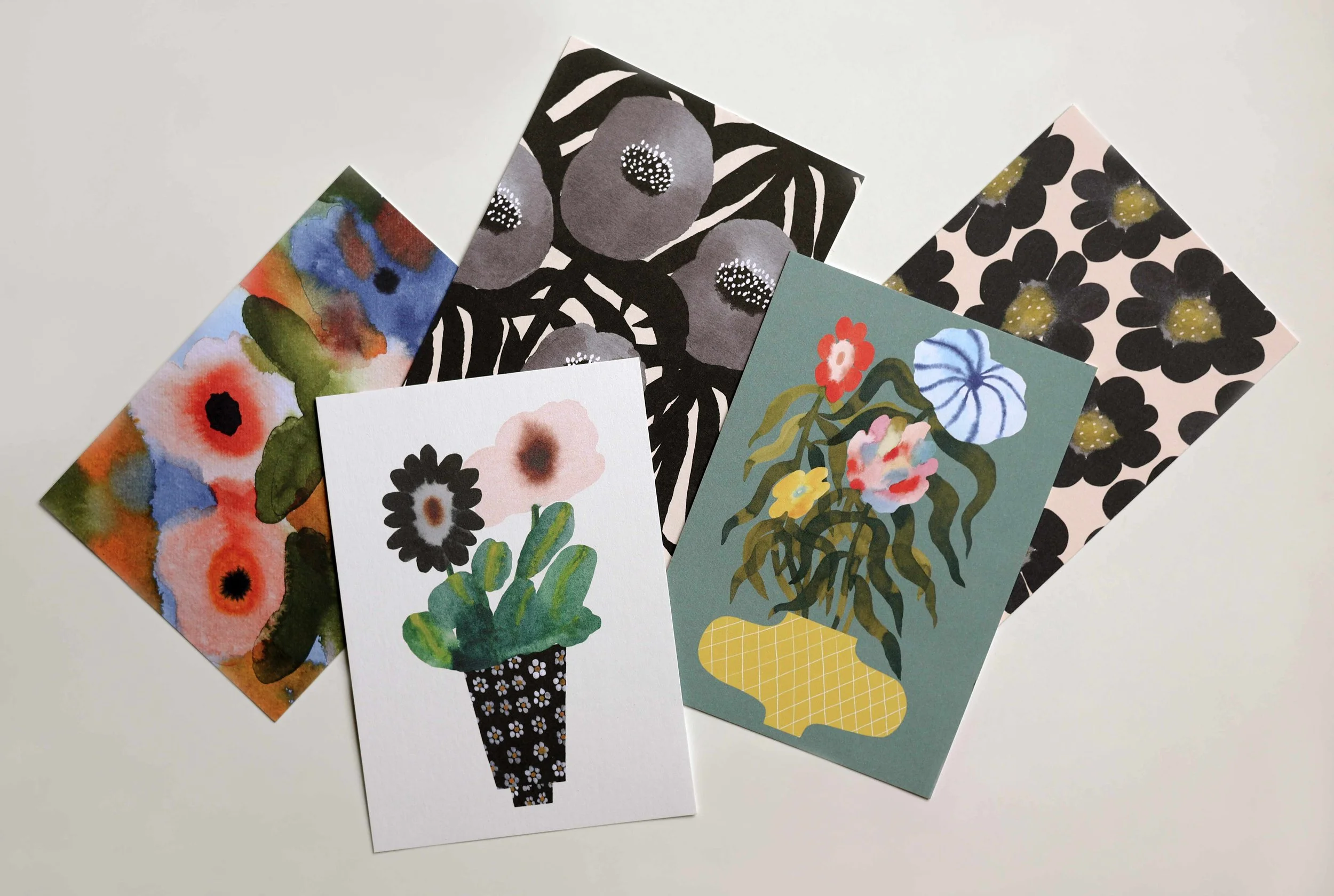
I am a Helsinki-based visual artist with a background in graphic design and illustration. My work is rooted in an illustrative way of thinking and usually guided by colour, patterns, and nature-inspired themes. At the moment, I’m working primarily with ceramics, but my approach applies to whatever material I’m using.
Whether I am working with ceramics, illustration, or design, it is about making an idea visible. I’m interested in how an idea evolves from a sketch or a simple thought into something physical. In ceramics, that becomes very concrete, as the result is always something you can actually hold.
I’ve always liked making things by hand. As a child, I spent a lot of time drawing small, detailed worlds, and that same attention to detail is still present in my work. There is also a sense of playfulness that I haven’t wanted to lose along the way.
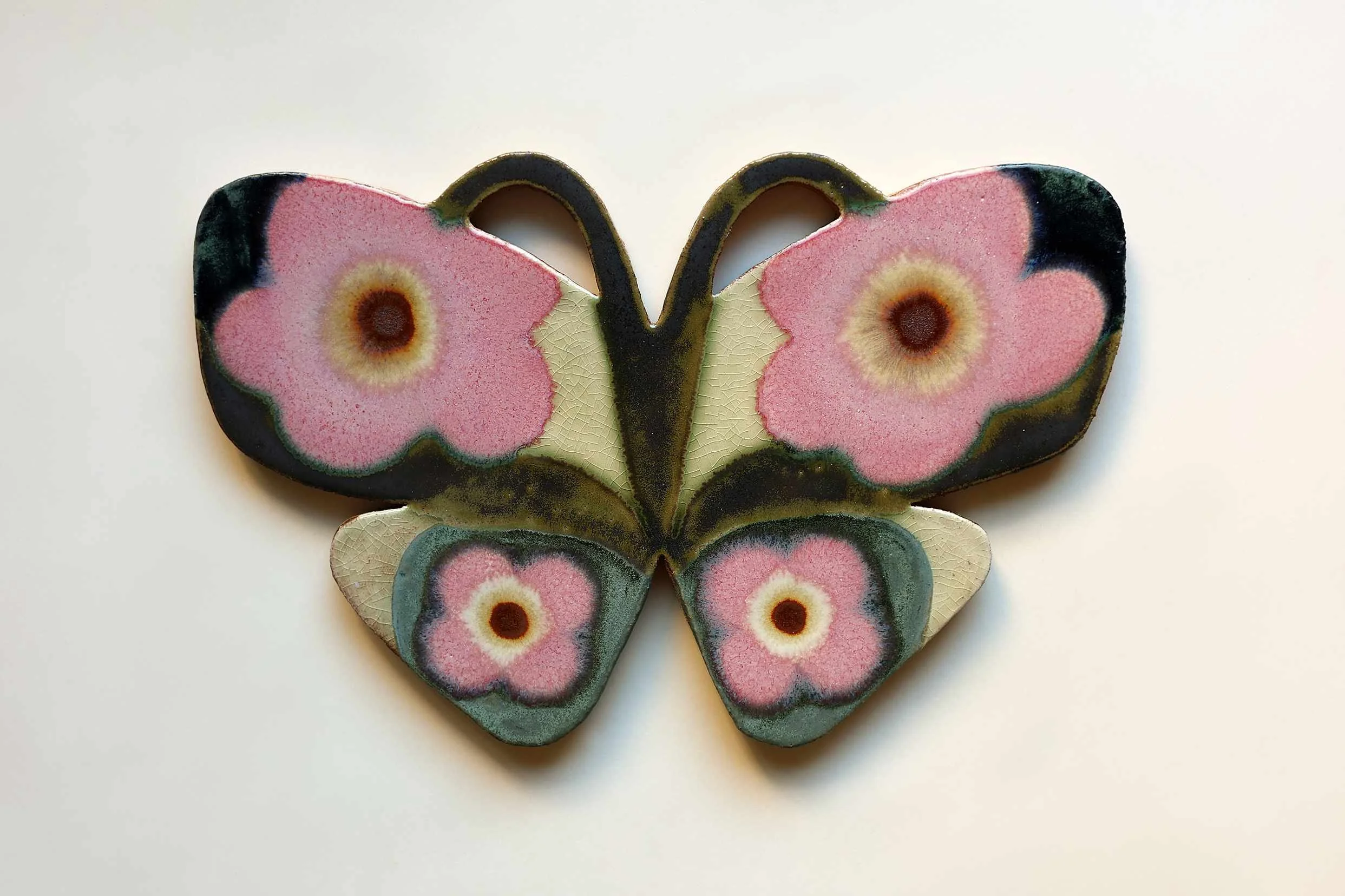
My work is often influenced by my everyday life. My two young daughters, for example, bring a kind of openness to how colours and shapes can be seen and used. Sometimes small things from our shared visual world find their way into my work, like the butterfly motif, which first appeared through my daughter’s drawings.
A lot of my inspiration also comes from everyday observations and my surroundings. I pay attention to colours and surfaces, like details in buildings or shapes in nature. Sometimes I notice a colour combination that really stays with me, and I use it later in my work. I tend to become inspired easily and quite intensely.
What draws you to switch between materials, and how do you decide which medium to use for a particular idea?
In commissioned work, the material is usually defined from the outside, which gives a clear starting point. In my personal work, I move more freely between materials, depending on what suits the idea best. An idea might start as a drawing and then continue in another material, slowly finding its form along the way.
Working with different materials and techniques keeps things interesting and opens up new ways to express ideas.
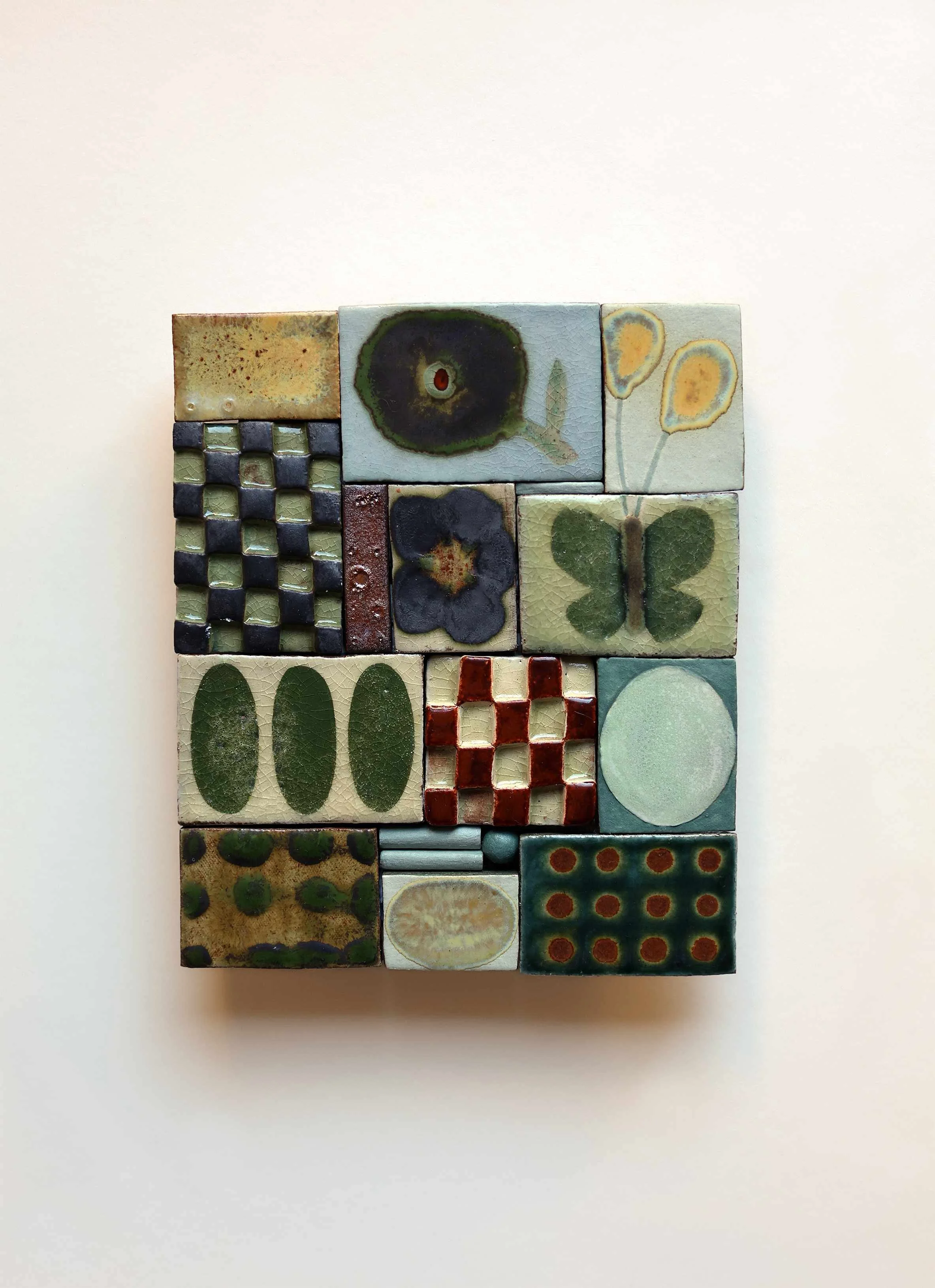
In ceramics especially, I like that I can combine a more delicate visual approach with the raw and tactile qualities of the material. Clay also offers a balance between control and unpredictability that I really enjoy. I guess that is one of the reasons why it has become a central material in my work.
Across everything I do, I keep returning to the same visual language. Each material just offers a different way to explore it.
Can you walk us through your process? What does your creative process look like, and do you have any rituals that help you get into the flow?
Drawing is often where everything starts. Sketching helps me think and develop ideas, often as rough notes rather than finished plans. In a way, I guess it’s a sort of ritual for me.
Even though I usually sketch my pieces in advance, the final outcome is always a combination of many things. I like to leave space for improvisation and for the material itself. The final work quite often changes during the process, and I like that.
Coming from a background in graphic design and illustration, I was used to planning the outcome quite precisely. With ceramics, it does not work in the same way, which felt challenging at first. Over time, it has taught me patience and trust in the process. Not everything can be controlled, and that has been a good lesson for my inner perfectionist.
I do a lot of testing and keep notes on my glaze mixtures, but I also accept that something unexpected can always happen. Now I see those moments, even mistakes, as part of the whole. Some of the most interesting surfaces and colour combinations come from accidents.
I often work on several pieces at the same time. It creates a natural rhythm and helps me move forward. If I get stuck, I can switch to something else and come back later. And if that doesn’t work, I try to create something small without pressure. Sometimes those small experiments end up becoming important parts of bigger works.
Another important part of my process is music. It helps me focus and creates a certain atmosphere in the studio. I hardly ever work in total silence.
How do you hope people experience the playfulness and intricacy in your art?
I hope my work brings a sense of joy and lightness. There is already a lot of heaviness in the world, so I like the idea that my work could offer a small moment of pause, curiosity, or simply something enjoyable to look at.
I hope the viewer can sense both the precision and the playfulness in the work, as well as the enjoyment present in the making process.
Colour and texture are so central to your work. How do you use them to create mood, tell a story, or shape the structure of your pieces?
Colour is a very central part of my work, and whether it is through work or in my free time, I enjoy playing with it. For me, it is not just visual, it also carries mood and feeling.
Colour and pattern help me build structure in my work. They guide the eye and connect different parts into a whole. Together with texture, they form the core of my visual language.
I think my surroundings and the time of year affect my colour choices, even if it is not something I plan consciously. Living in Finland, the contrast between dark winters and bright summers naturally shows in how I work with colour. Sunny summer days in Helsinki tend to bring brighter colours into my palette.
The hands-on nature of your work is very present, from clay to textiles. How does physically engaging with your materials impact your sense of joy and well-being?
Working with materials in a physical way brings a sense of presence and grounding that feels important to me. There is something very satisfying in the tactile process, especially in ceramics, where the material responds and sometimes surprises me. It keeps me connected to the moment.
It is also rewarding to see something take shape through your own hands. Working with ceramics offers a lot of possibilities, which keeps the process interesting and meaningful.
Where do you see the greatest potential for preserving and honouring traditional local crafts in today’s world?
I think traditional crafts stay alive when people keep using them and passing the knowledge on.
For me, it’s important to respect where they come from and the skill behind them. I like working with traditional techniques and bringing my own approach into the process.
And in a fast-paced world, it feels important to value time and careful making.
Looking ahead, are there new directions, techniques, or collaborations you are currently exploring?
In the near future, I have projects coming up in Finland, Japan, the UK, and the US, which I am very excited about.
I do not feel a strong need to constantly search for something completely new, but I like to stay open. For example, expanding further into textile related work and collaborations, where my visual language can take on new forms, interests me a lot.
I consider myself very lucky to be able to work so widely across materials and on projects in both art and design, in Finland and internationally.
How can people engage more closely with your work?
I share updates on upcoming projects and releases mainly through Instagram @anna_kesaniemi, where I also sometimes show parts of my process.
New works will also be available through exhibitions, my webshop, and collaborations.
All photos belong to Anna.
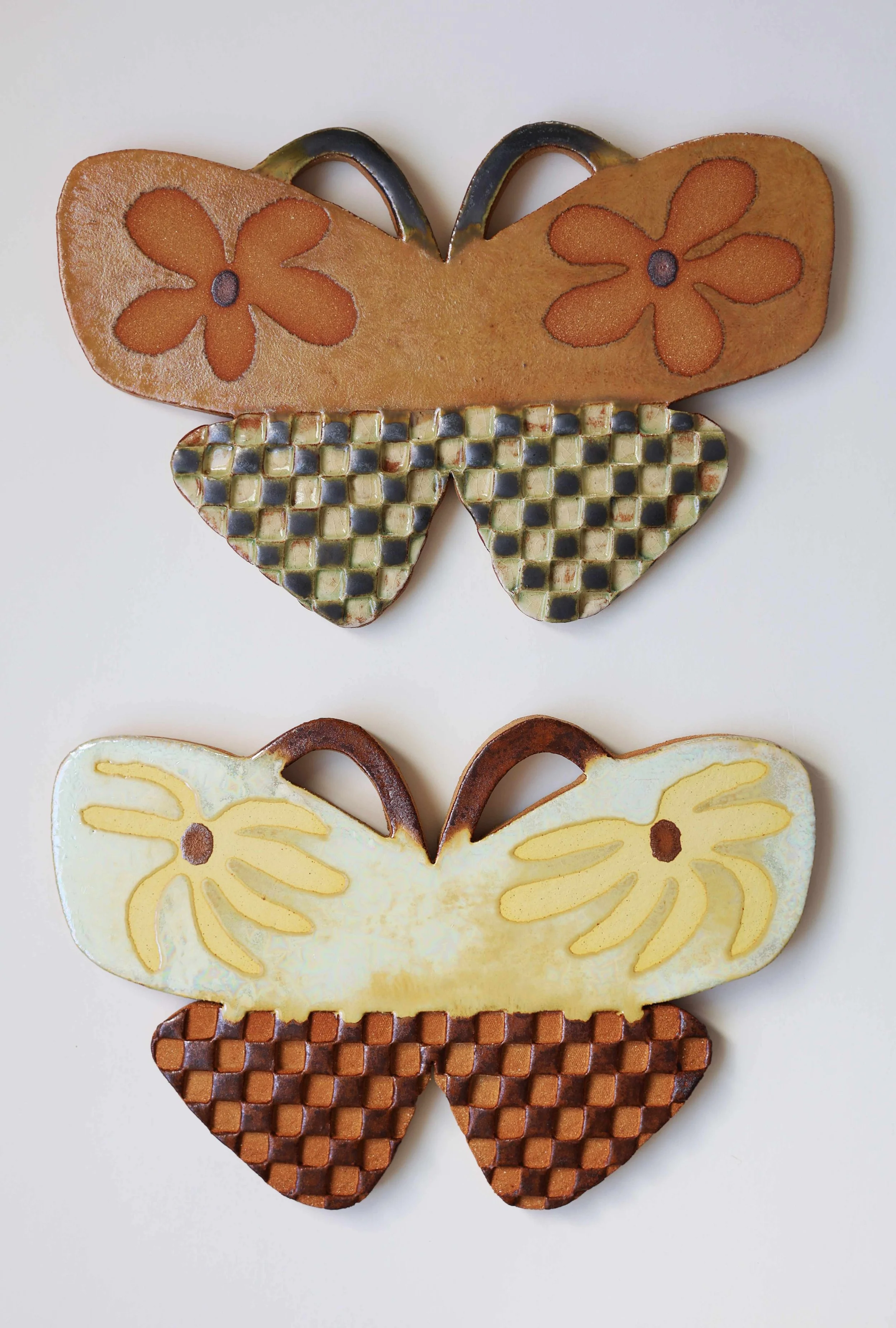
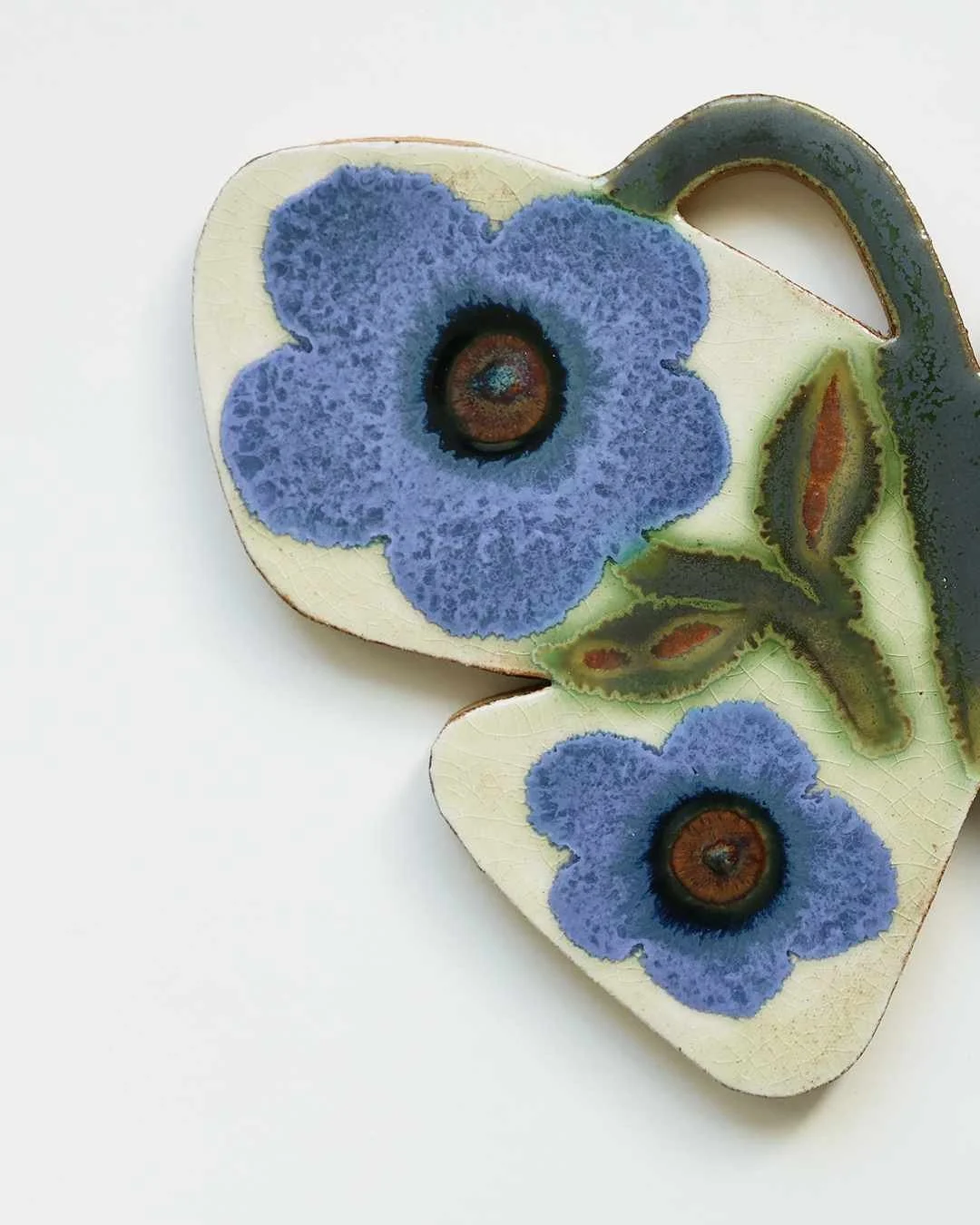

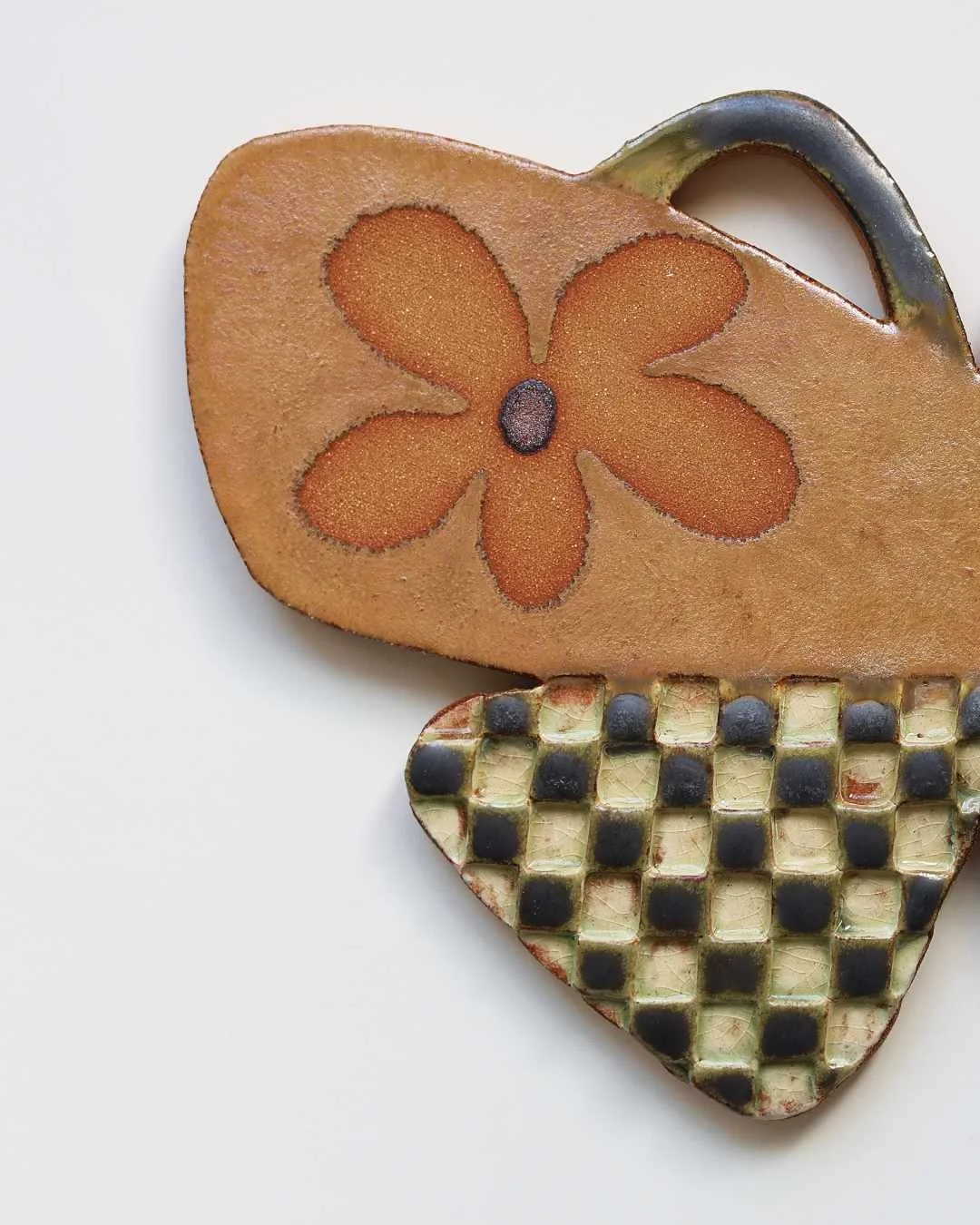
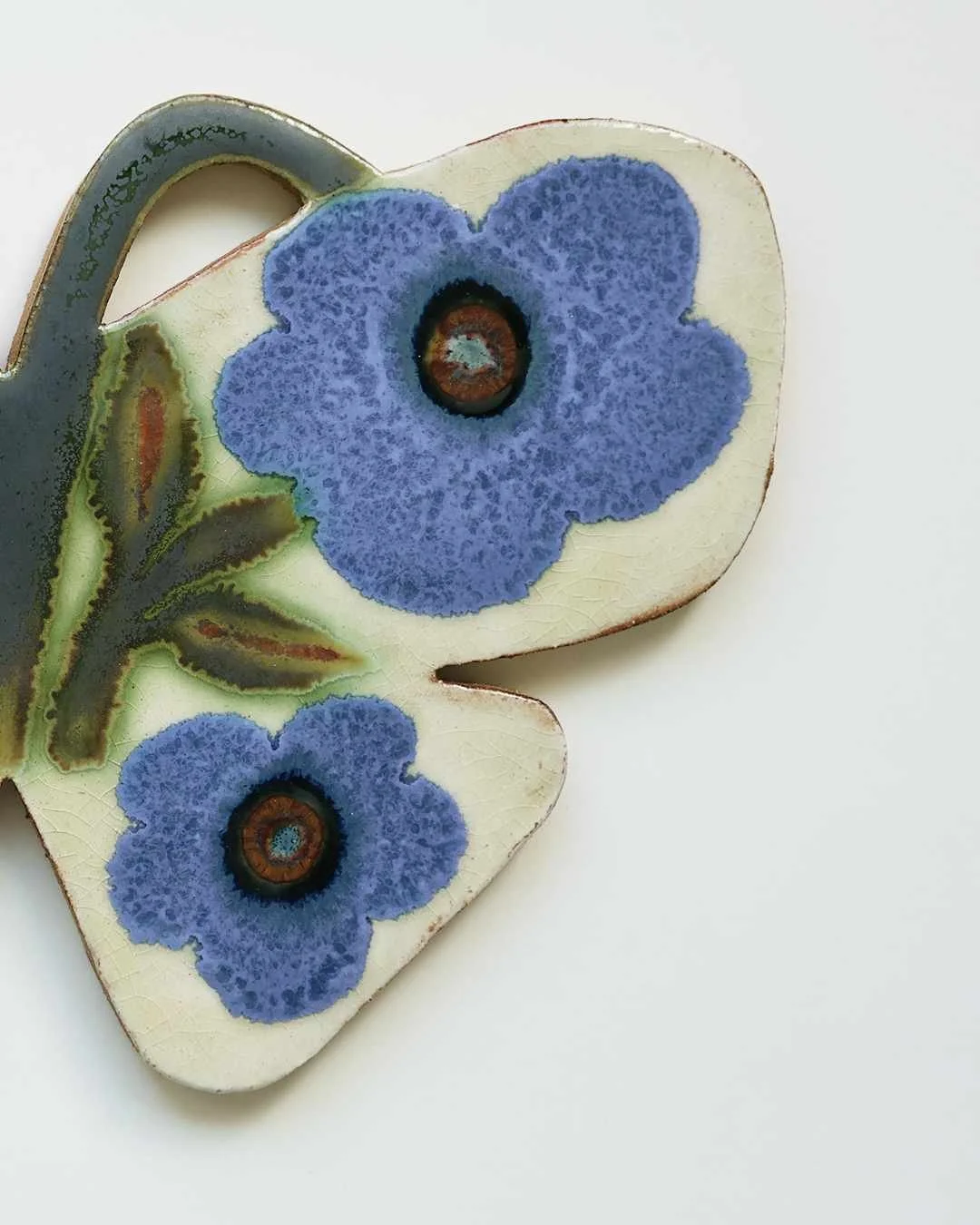
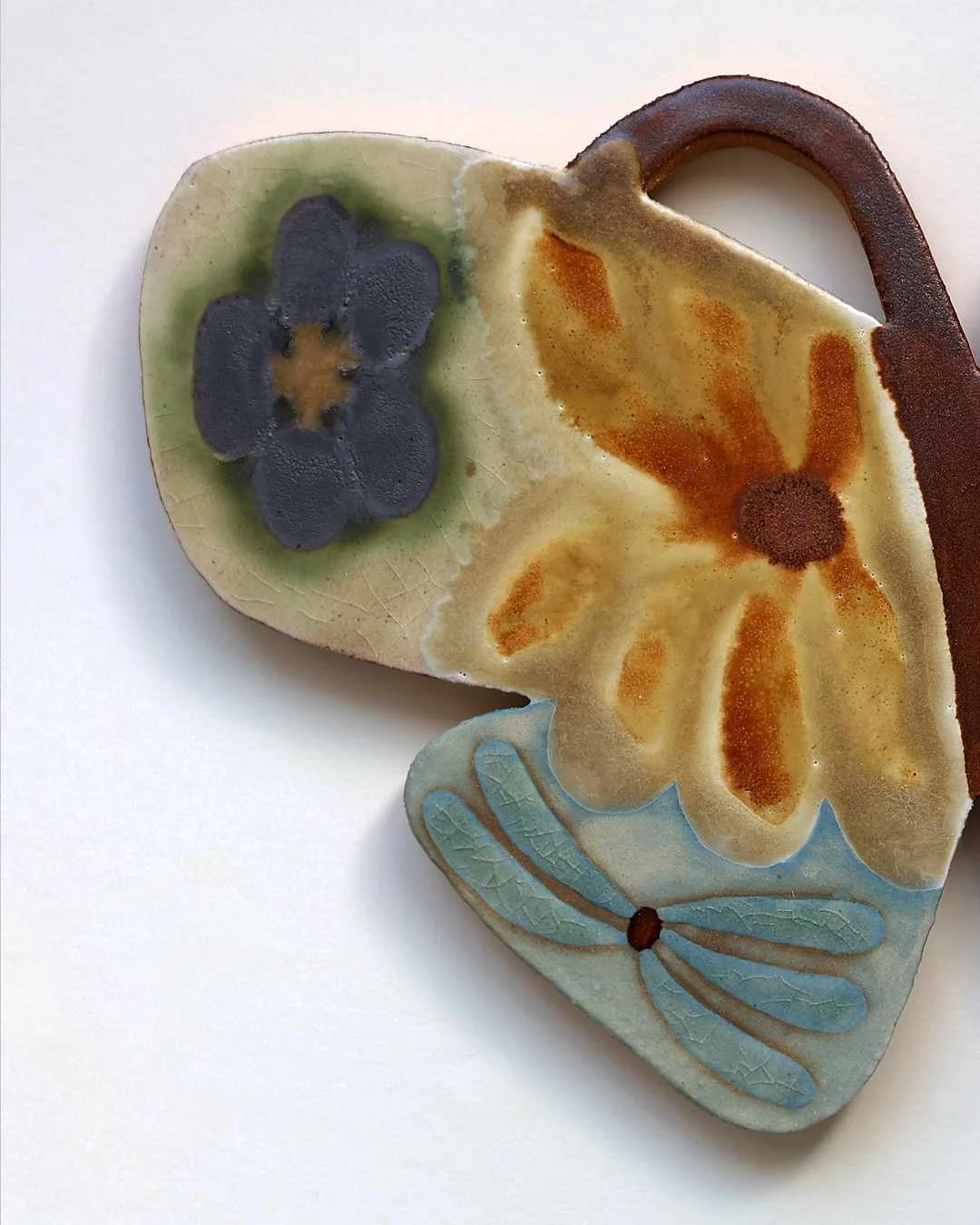
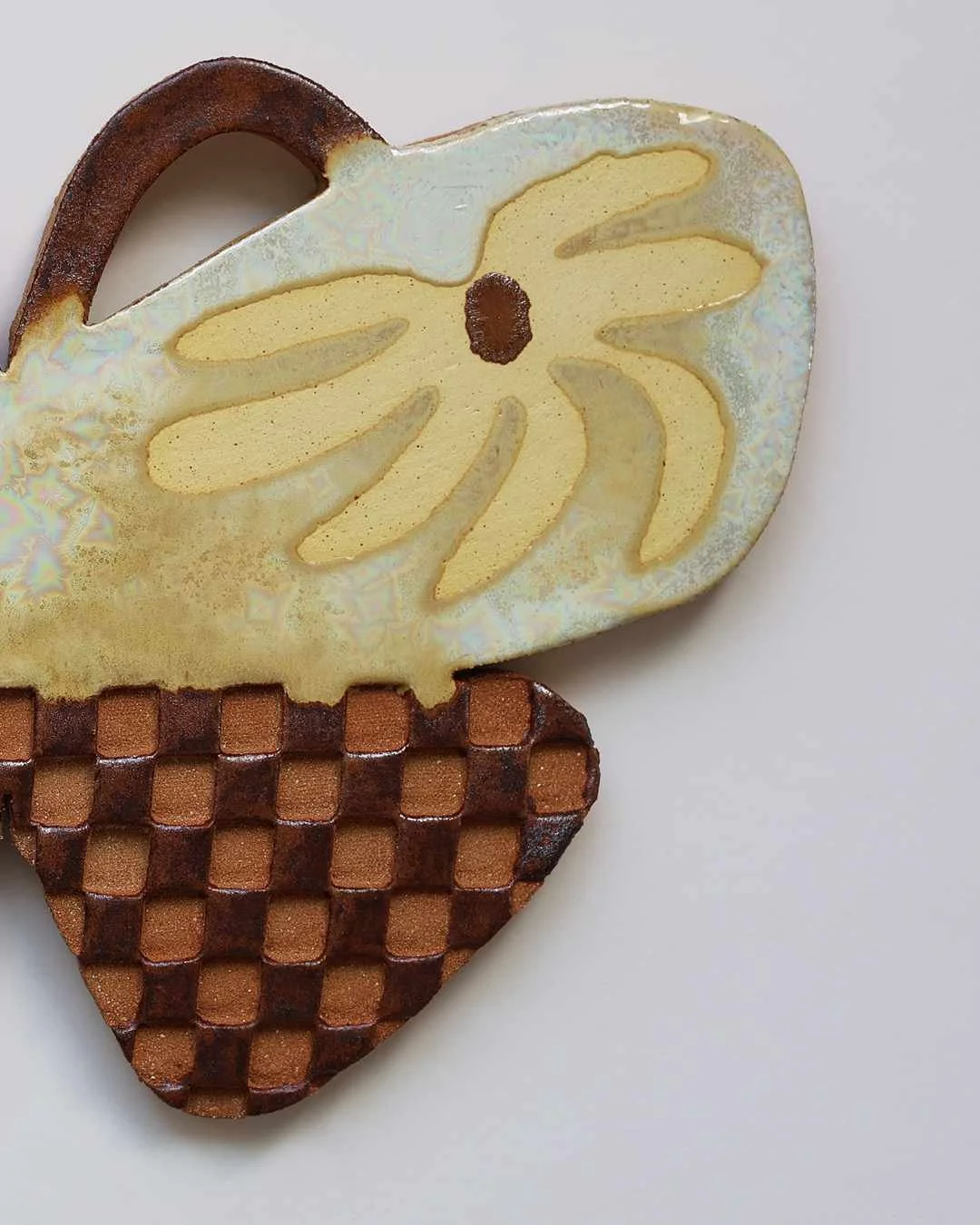


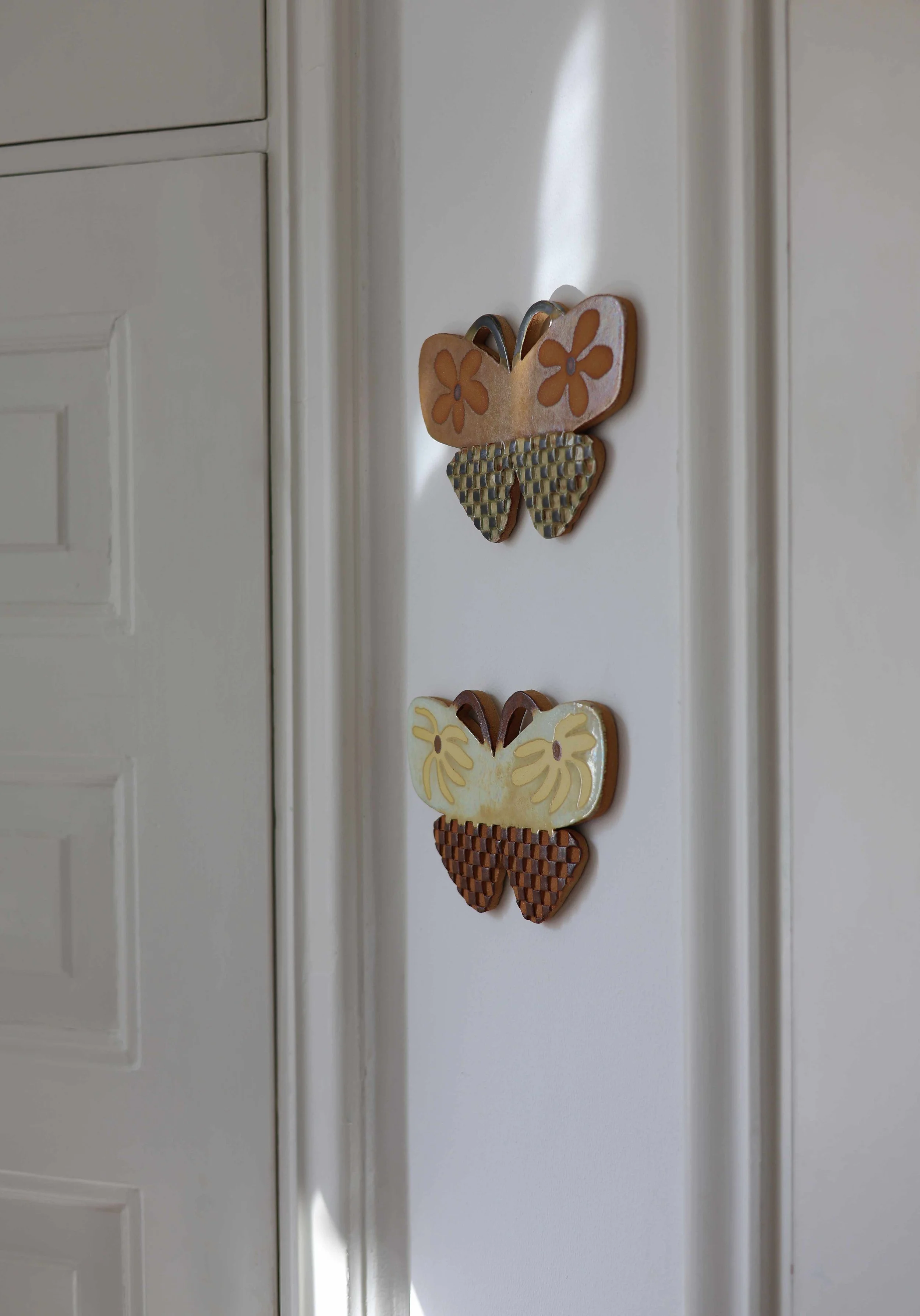
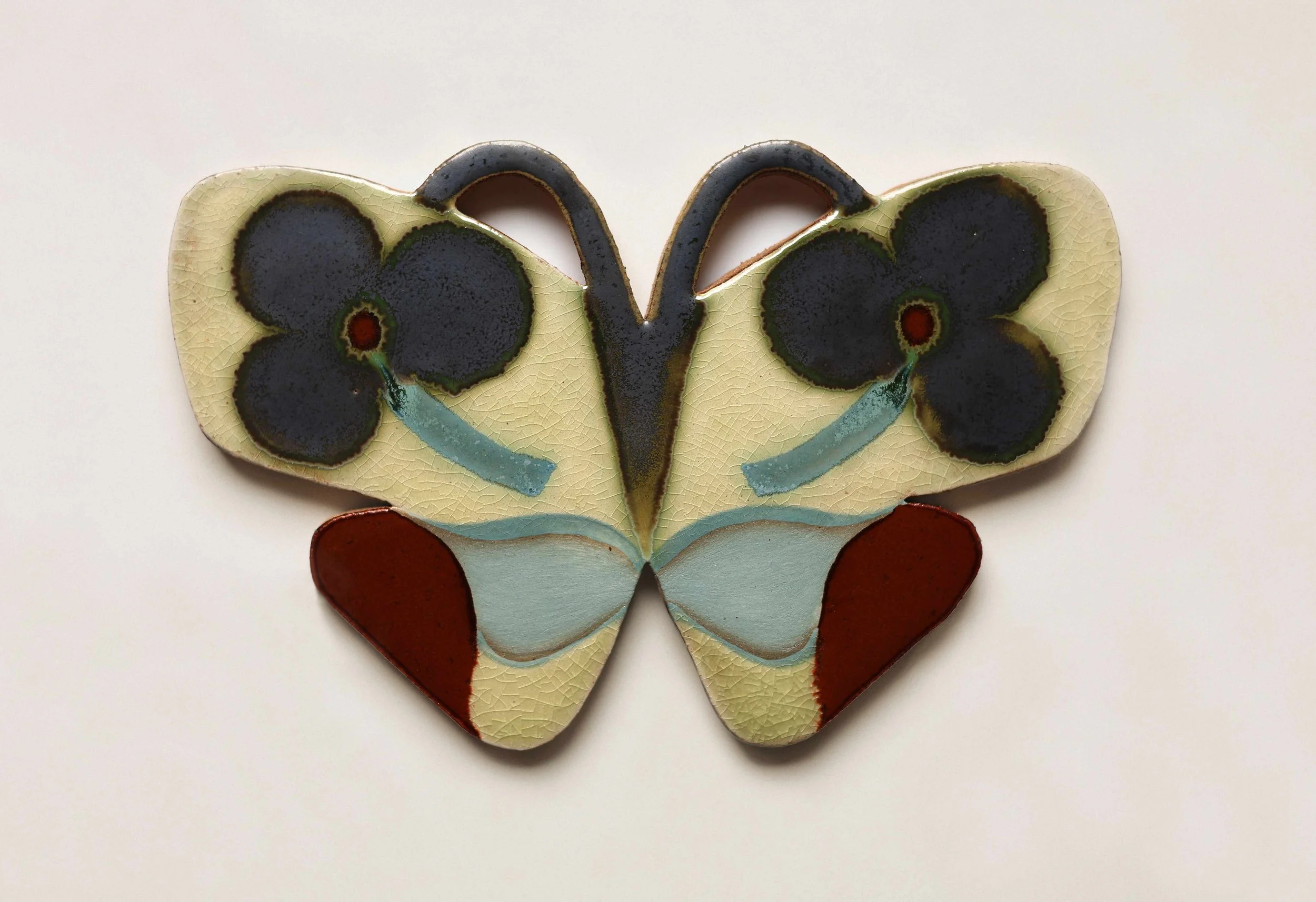
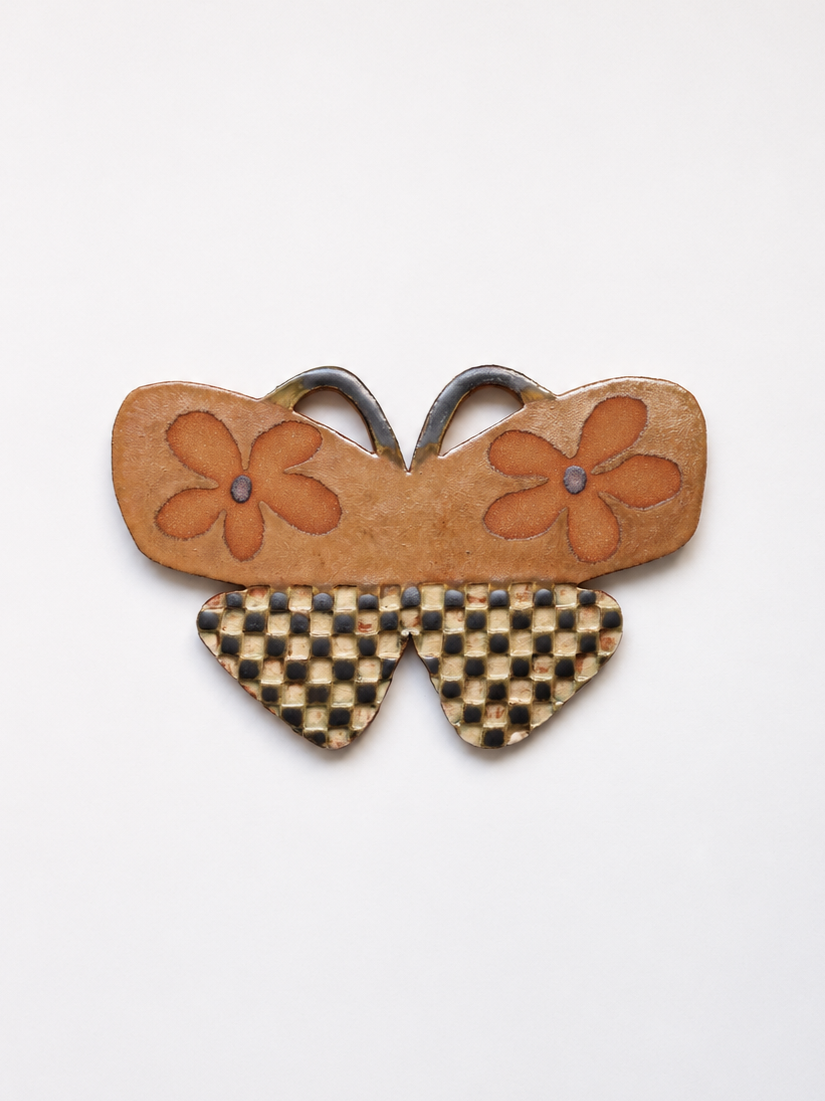
Hand-built in glazed stoneware by Anna Kesäniemi in Helsinki, Side by Side reflects the artist’s interest in colour, pattern, and the expressive possibilities of clay. Through layered glaze details and a carefully shaped surface, the butterfly relief balances precision with spontaneity, creating a piece that feels both playful and tactile. Created to bring a sense of joy, hope, and lightness, each singular work carries its own quiet presence.
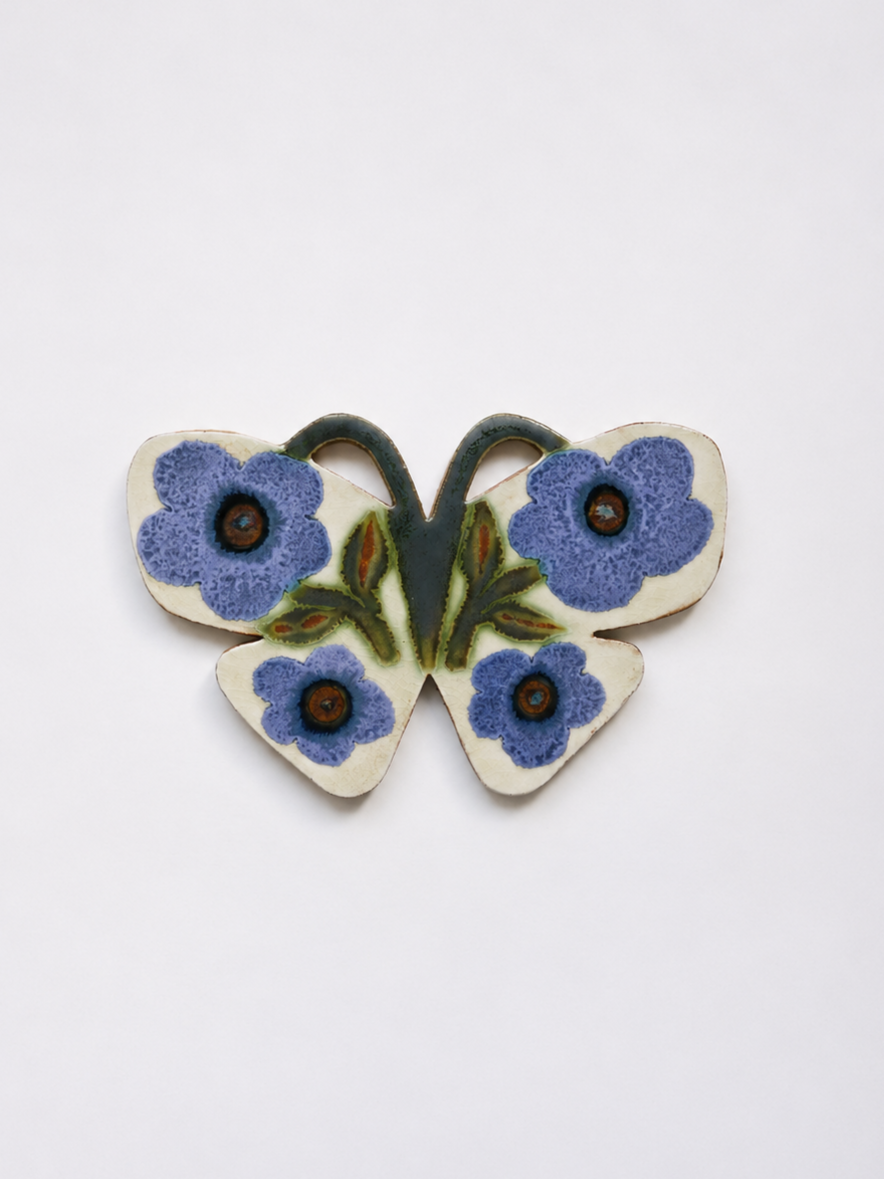
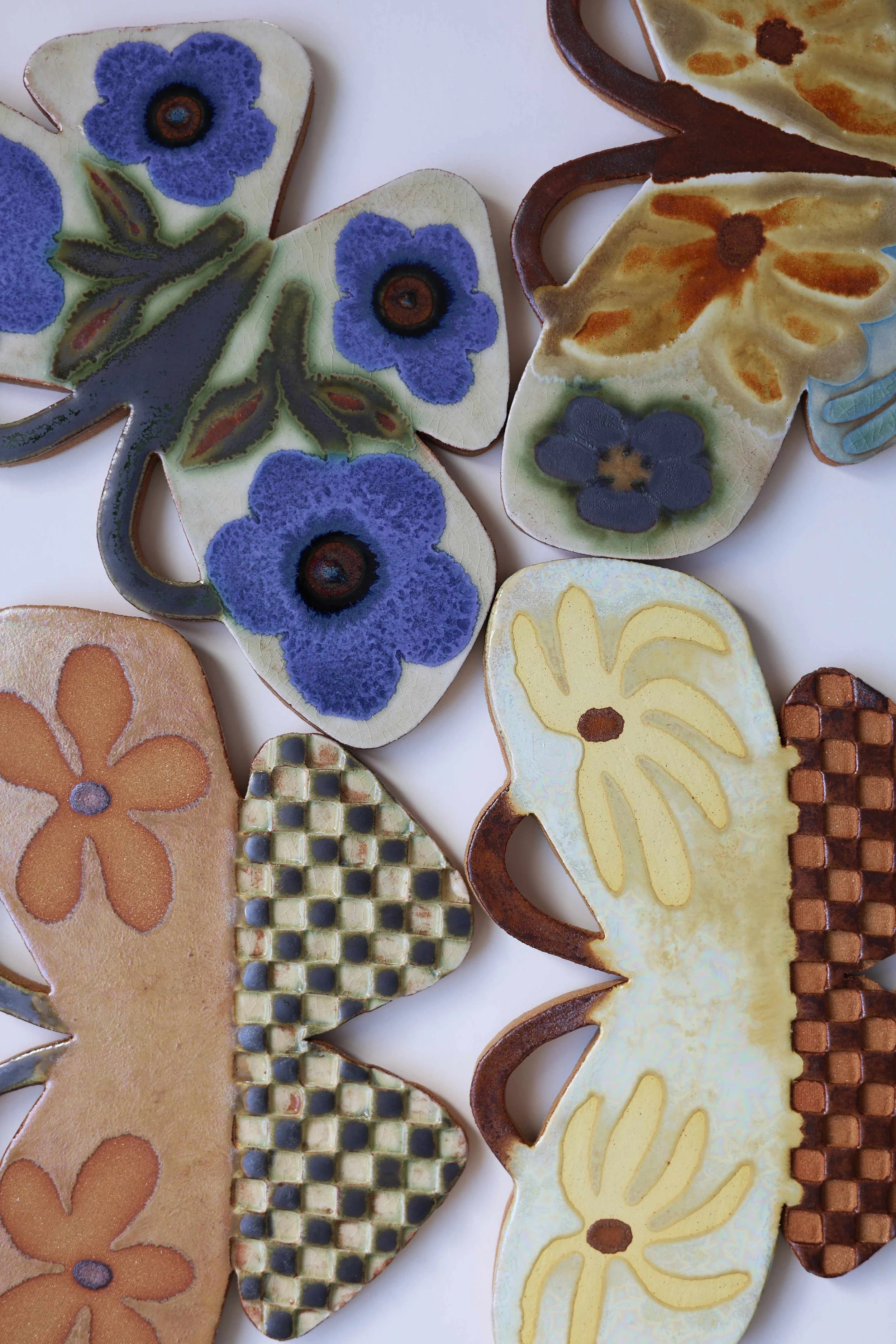
Hand-built in glazed stoneware by Anna Kesäniemi in Helsinki, Love in a Mist draws from nature inspired forms and Anna’s intuitive approach to colour and composition. The relief’s hand-finished glaze surface highlights subtle variations in texture and detail, allowing the piece to hold both softness and vibrancy. Created to bring a sense of joy, hope, and lightness, the work offers a tactile and lasting presence shaped through attentive making.
