Tatiana Ferreira
Please share a bit about yourself and your journey as an object designer.
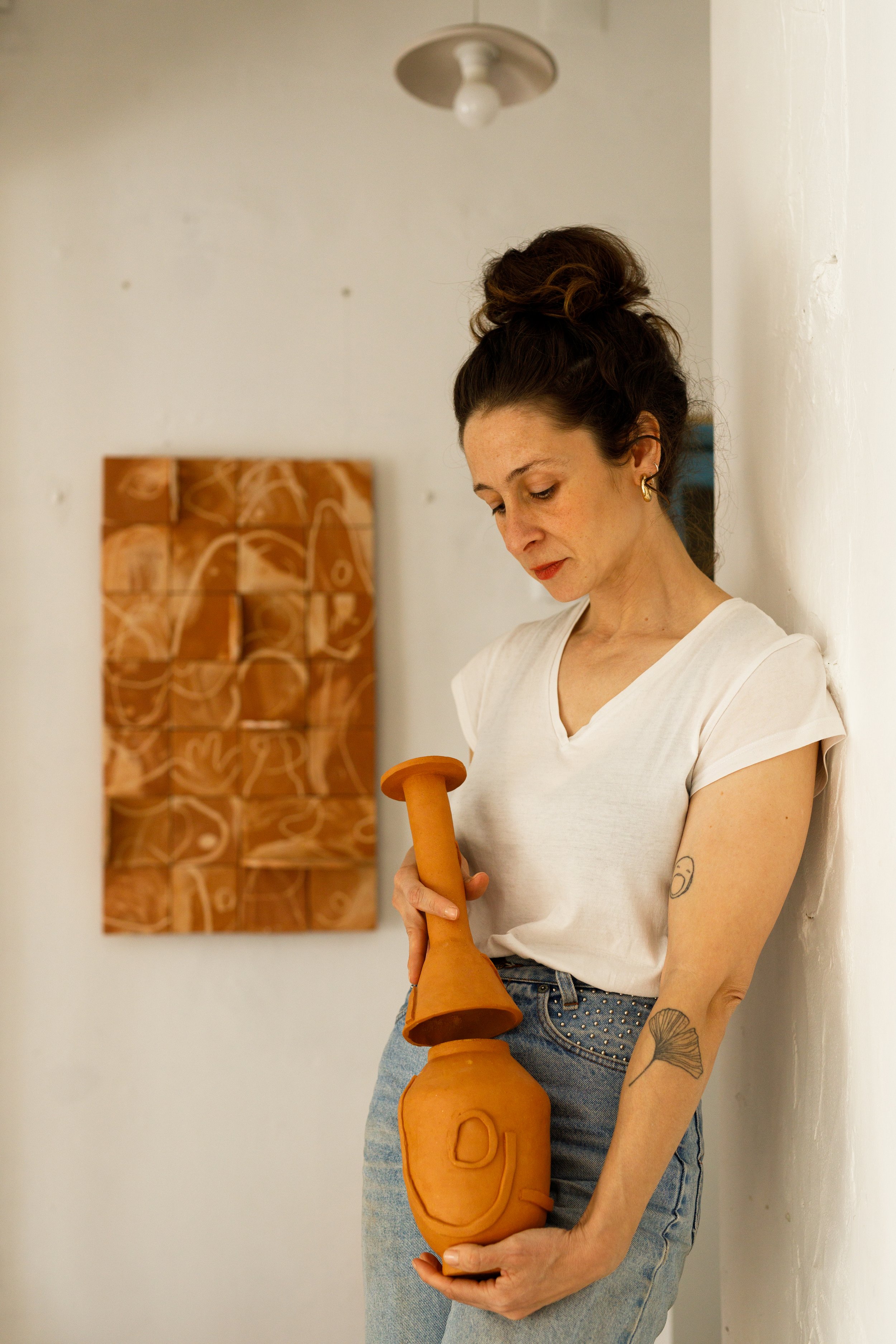
I’m Tatiana, the 39-year-old designer and founder of Pareidólia Design. Based in Lisbon, I run a studio dedicated to creating bespoke pieces, with ceramics as my primary medium.
My background is in architecture, with a specialization in building rehabilitation. However, I’ve always been drawn to the more intimate process of conceptualizing and crafting objects on a different scale. My connection with art started while growing up; with a graphic designer father, I spent much of my childhood watching him paint large-scale canvases. Witnessing that journey of expressing something internal and bringing it to life has always fascinated me, and it remains at the heart of my journey as an object designer.
What first drew you to ceramics, and how did this medium come to be central to your creative expression?
I first came into contact with ceramics during my high school years, at an arts-focused school where I had the opportunity to explore various creative disciplines. I enrolled in an intensive extracurricular course in ceramics and tile-making, and that was when I had my first hands-on experience with the medium.
I’ve always been fascinated by the idea of taking a “raw” and formless material and shaping it directly into the ideas I have in my mind. Working with clay allows me to create objects at a wide range of scales, from small, intimate pieces to larger, more architectural forms. There’s something incredibly immediate and intimate about this process; it lets me translate imagination into tangible objects, connecting my creative vision directly to the physical world. This is what ultimately drew me deeper into ceramics and made it central to my artistic practice.
Could you describe your creative process?
My creative process almost always begins with direct observation of my surroundings. This includes observing pieces I’ve already made that remain in my studio, whether they are being used or simply stored. Whenever I want to develop a new piece, I tend to draw on certain formal aspects of previous works and try to transform them into something new.
It doesn’t always go as planned, but I believe these “missteps” are exactly what help me discover new possibilities. Experimentation and the willingness to embrace unexpected outcomes are at the core of how I evolve my work and develop fresh ideas.
Color and texture occupy a distinctive place in your work, often bold, contrasting, and deeply intuitive. How do you develop your palettes and surfaces, and what draws you to certain tones or combinations?
I am deeply drawn to the natural qualities of the clay I work with. Often, I select clay that already carries texture or subtle natural pigments, and I let these inherent characteristics guide the development of each piece. From there, I intuitively explore combinations of tones and surfaces that feel aligned with what I want to express.
For me, color and texture are not imposed; they emerge in dialogue with the material, reflecting a subtle conversation between the clay and my creative intuition.
We know that you also run the creative Studio Nuba. Could you tell us a bit about how it started and what inspired its creation, and share how collaboration plays a role in your creative journey?
Estúdio Nuba initially arose from the need for a space where I could connect and collaborate with other creative people. For me, it’s essential to be surrounded by a community that is following a similar path, not only to support each other emotionally, but also because it adds value to my own work. Collaboration often happens naturally, whether through shared projects or the complementary skills of different artists.
I see Nuba as a “living” organism, a kind of blank canvas full of possibilities. Some people come and go, others stay, but the core objective remains the same: to have Nuba as a space for the artistic community, a place for brainstorming, exchange, and mutual growth. It’s a space where creativity is nurtured collectively, and where being part of a vibrant community directly enriches my own practice.
Looking at the contemporary craft landscape, where do you see the greatest opportunities for preserving and reinterpreting important local traditions?
I believe the greatest opportunities lie in finding a balance between respect for traditional techniques and creative reinterpretation. Local crafts carry a wealth of knowledge, history, and cultural identity, and contemporary makers can honor that heritage by exploring new forms, scales, and contexts.
For me, this often means taking inspiration from the methods, textures, and motifs of traditional ceramics while experimenting with modern materials, forms, or applications. Collaboration, dialogue, and community involvement are also key, as they help bridge the gap between tradition and innovation, ensuring these crafts continue to evolve sustainably.
Are there any new projects, themes, or directions you are currently exploring that feel particularly connected to your practice?
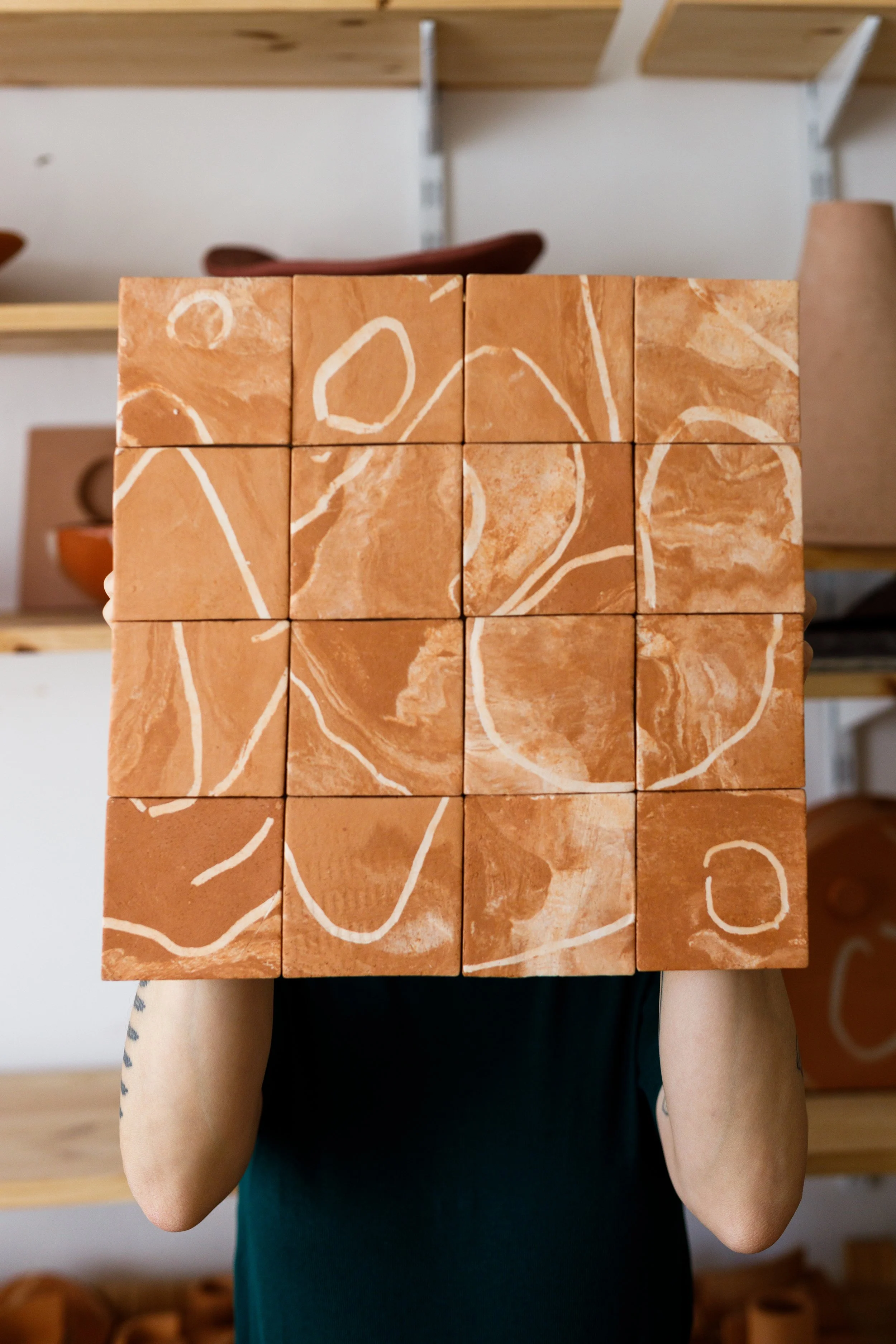
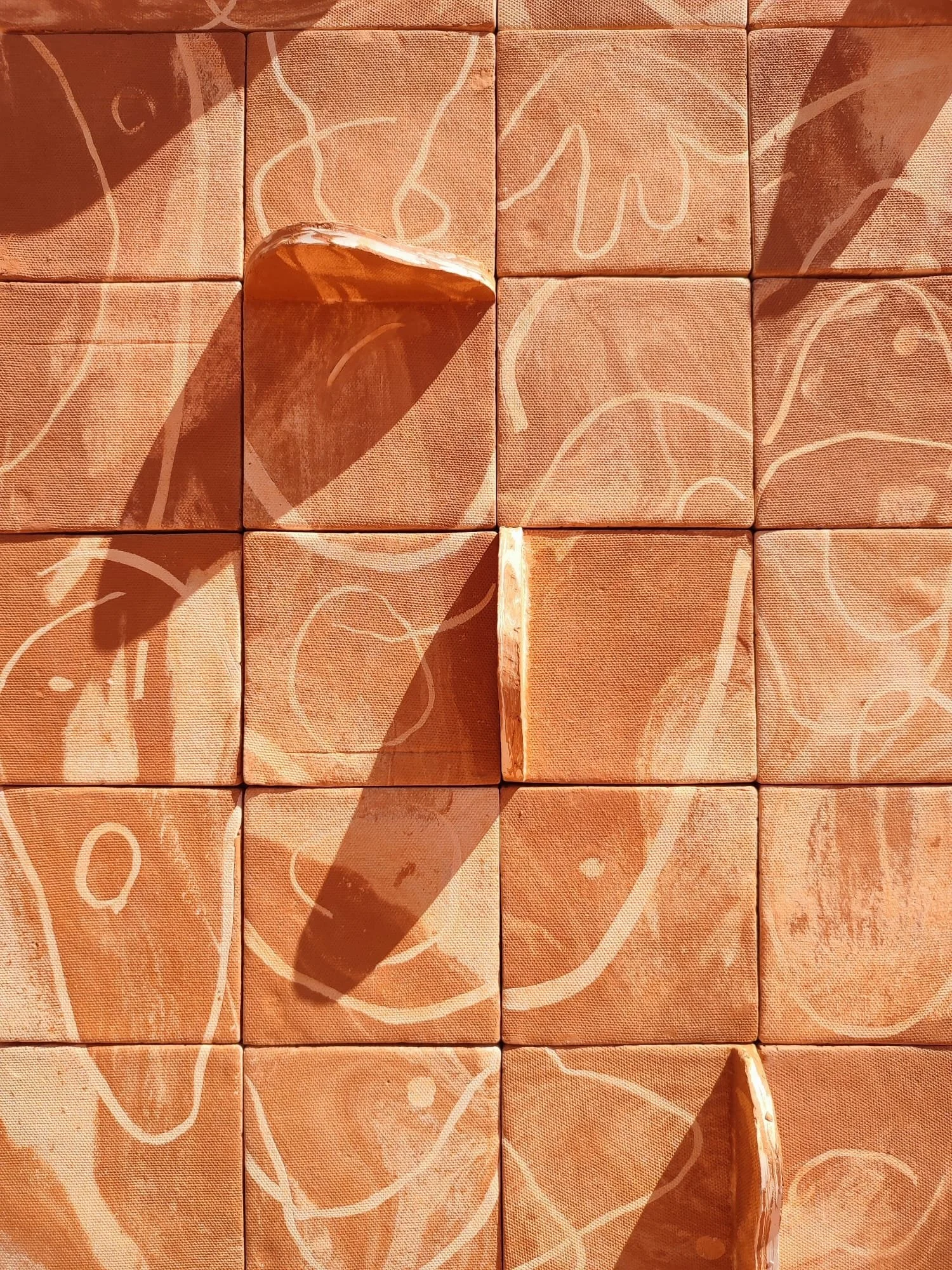
Lately, I’ve been exploring the possibilities of scale and modularity in my ceramic work, developing pieces that can function individually or as part of a larger composition. This approach feels very connected to my practice, as it allows me to experiment with form, texture, and color in dialogue with the material, while also inviting interaction and reinterpretation by the viewer or user.
I’m also interested in the relationship between traditional techniques and contemporary applications, exploring how natural clay, its textures, and inherent colors can inform more architectural or site-specific works. These directions allow me to push the boundaries of my practice while remaining deeply rooted in the tactile, intuitive qualities that first drew me to ceramics.
How can people engage more closely with your work, whether through your pieces, exhibitions, or online presence?
I’ll have our studio involved in some events for Lisbon Design Week, and I’ll also be opening my atelier for the Studio Visits organized by Lisbon By Design. Visitors are always welcome to schedule a private visit to my studio to explore my work more closely.
Additionally, people can follow my creative journey online through my Instagram page, @pareidolia_design, where I regularly share insights into my process, new projects, and behind-the-scenes moments from the studio.
Photos [ 9 ] Matilde Fieschi, and all the rest by Pedro Gomes Almeida.
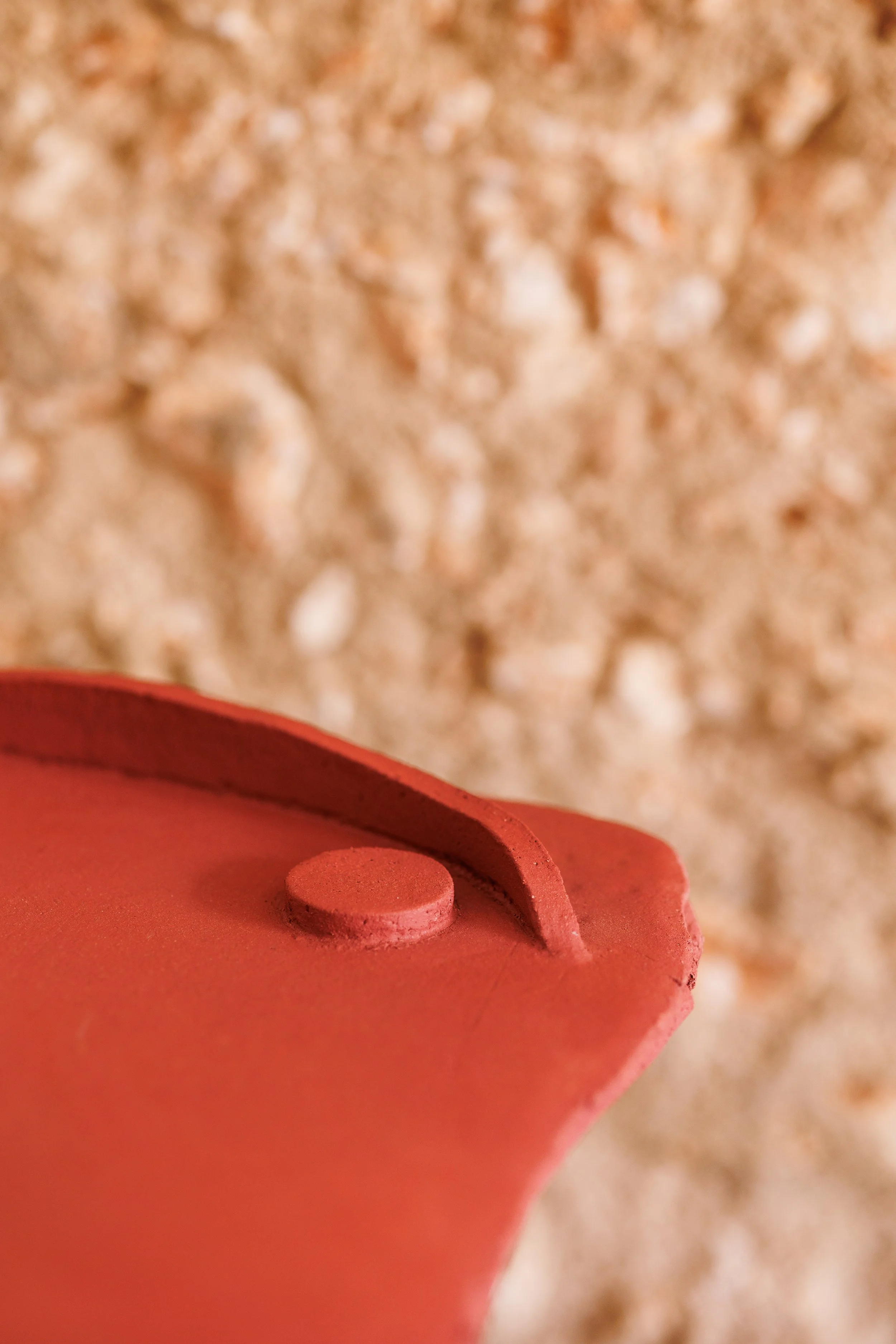
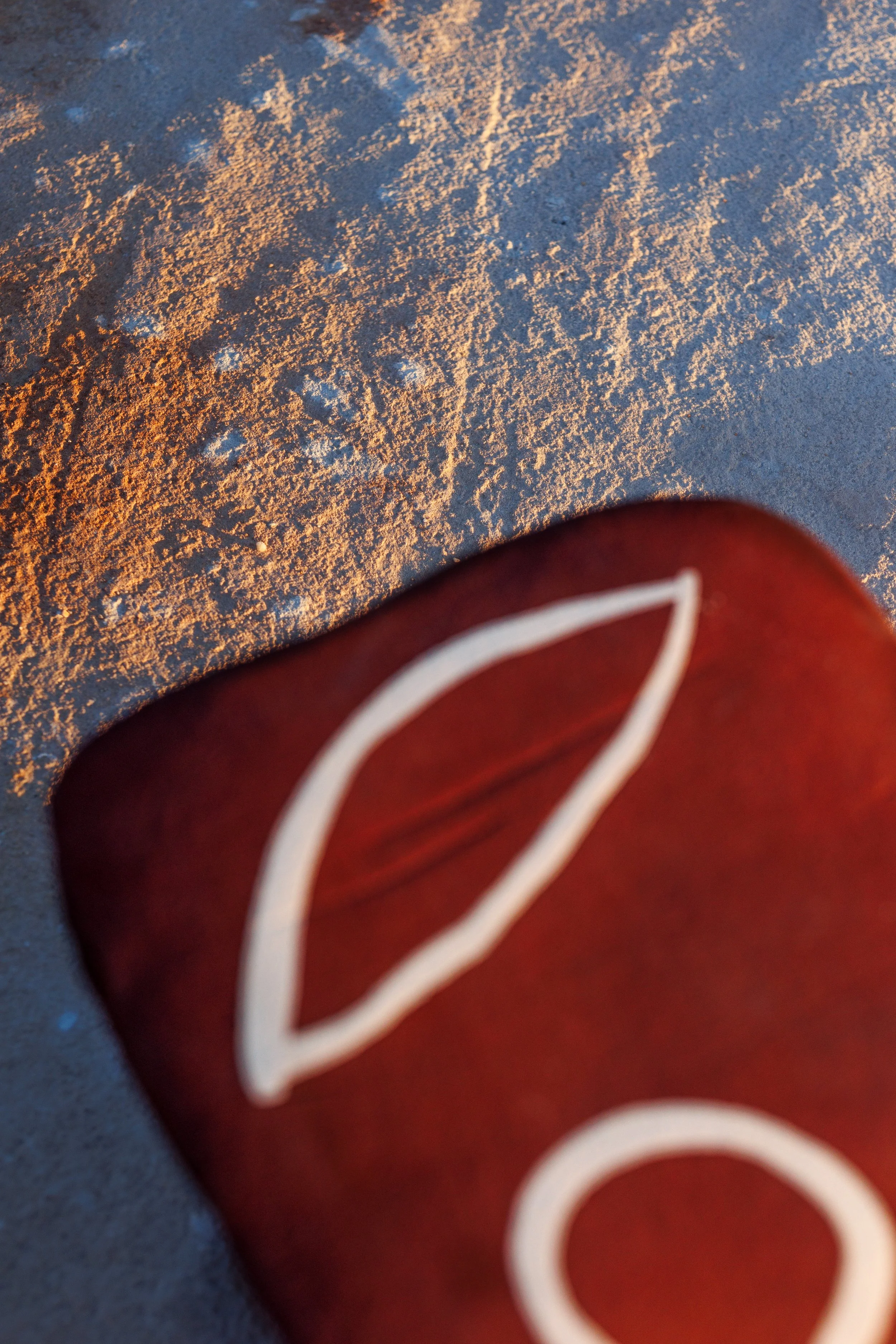
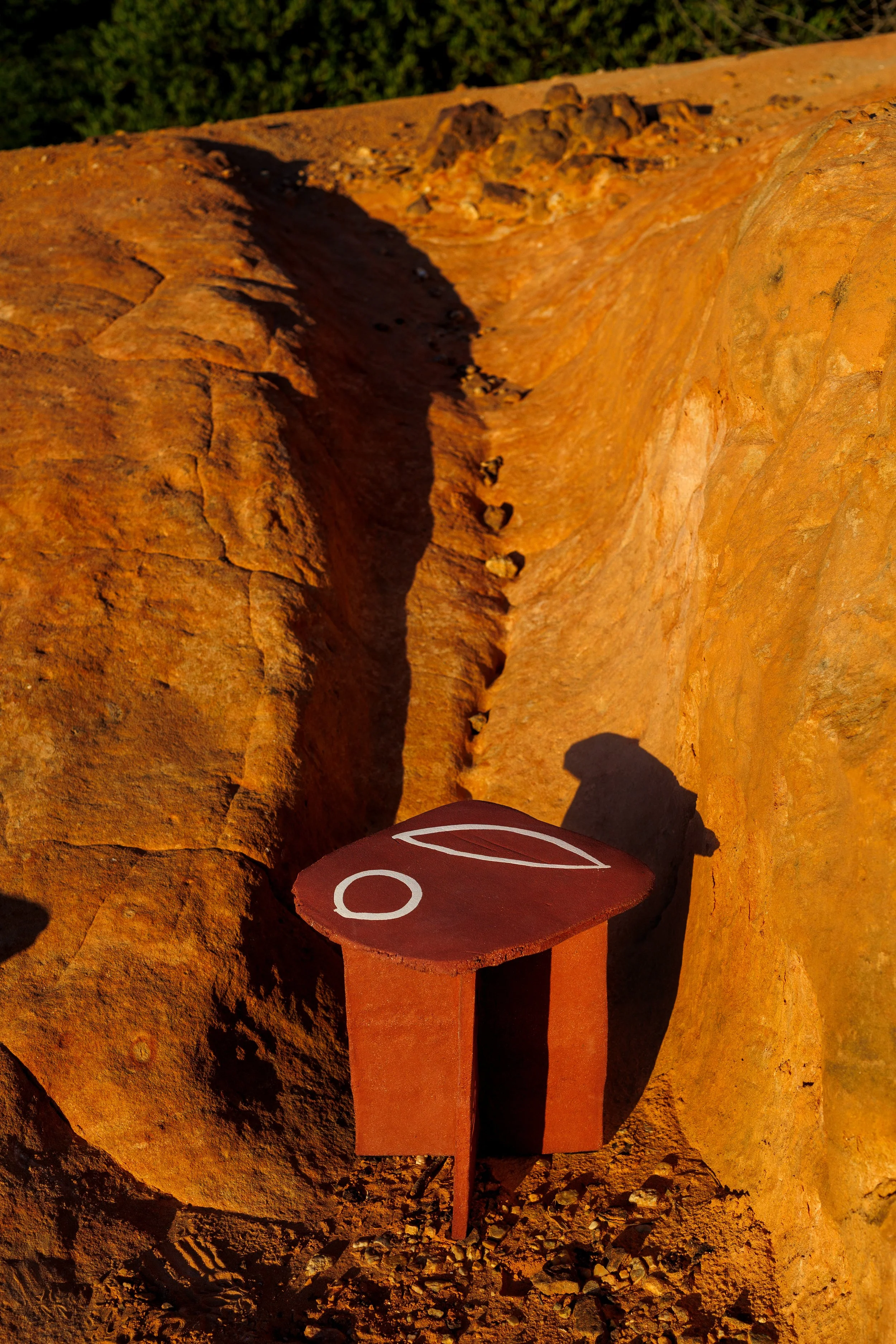
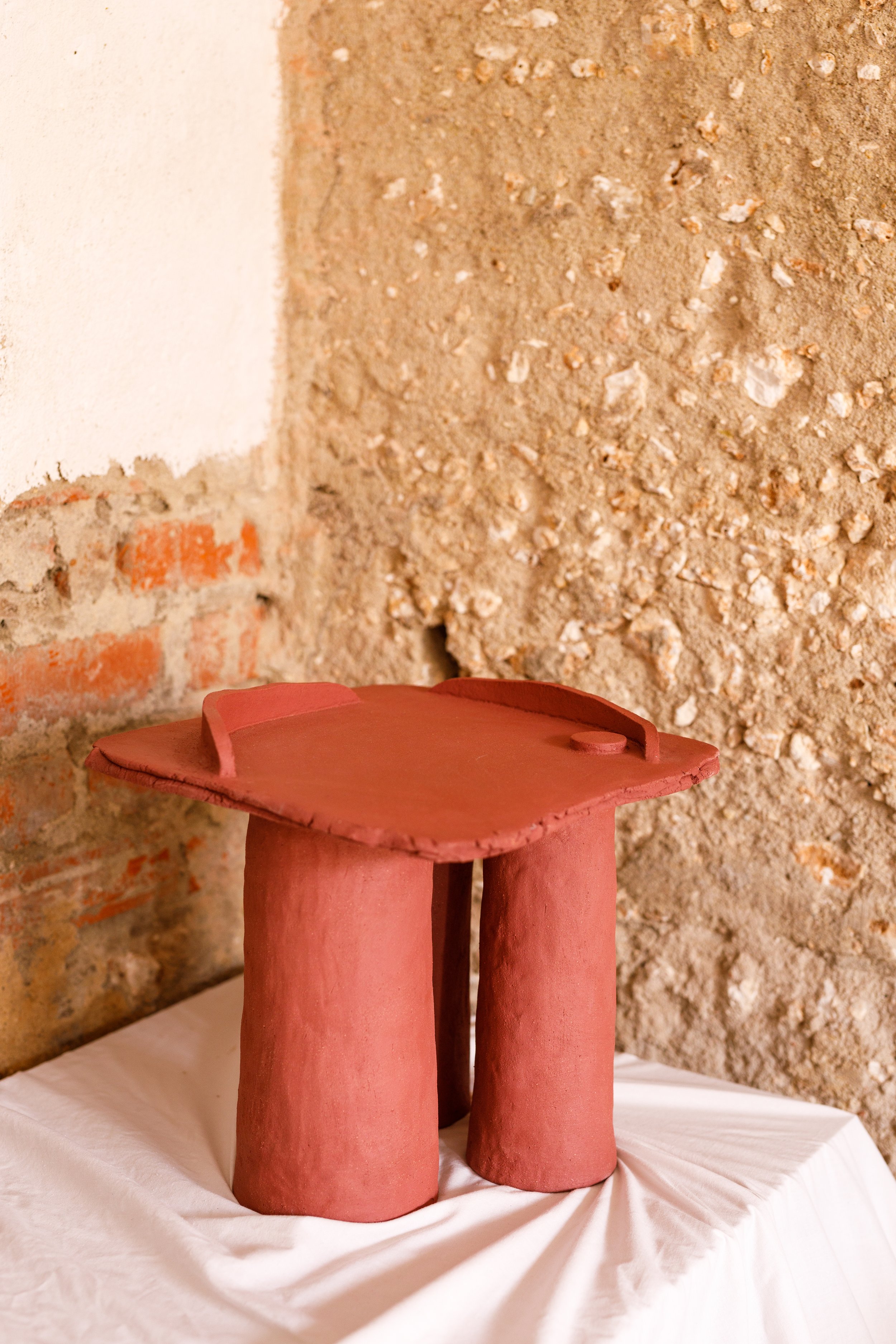
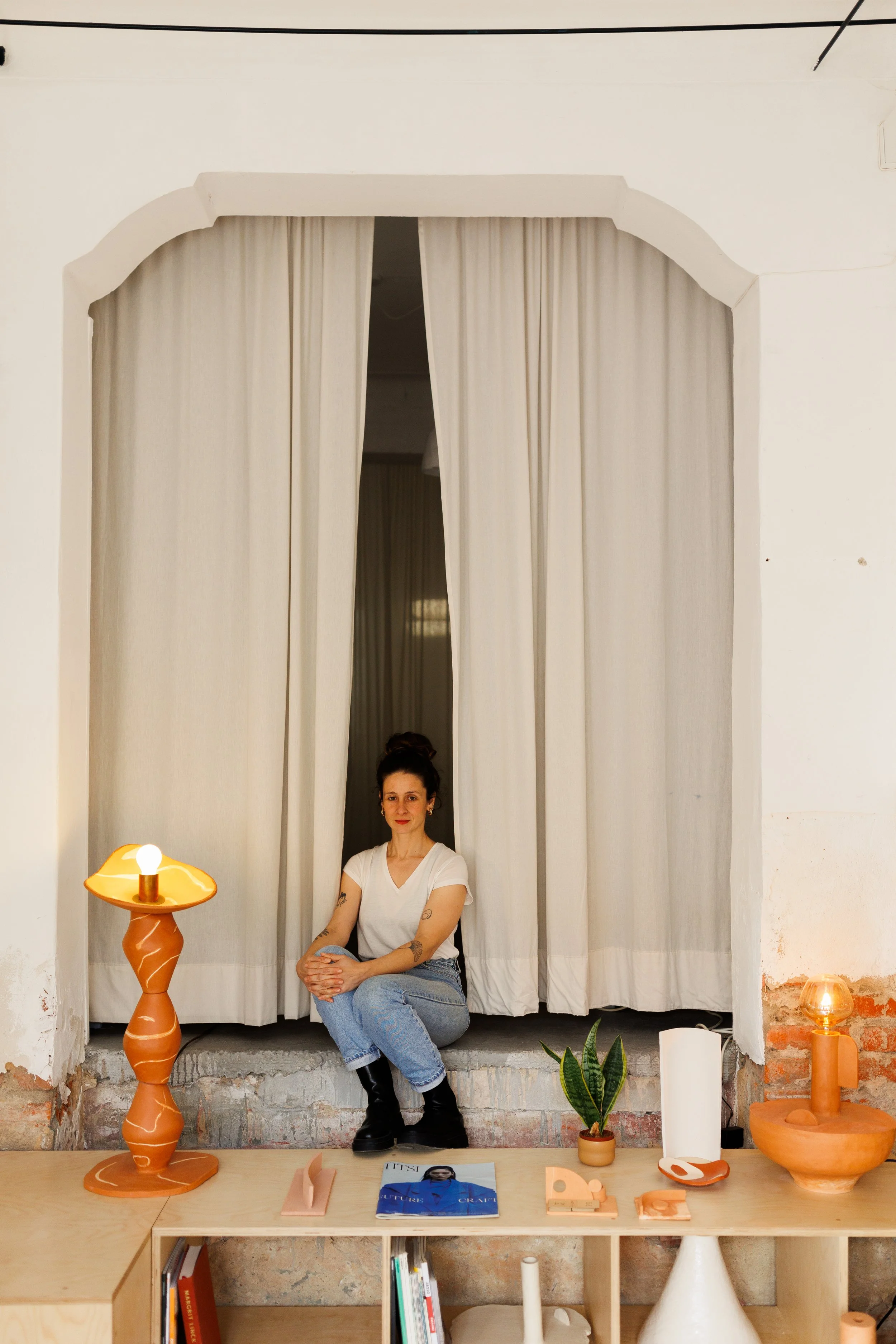
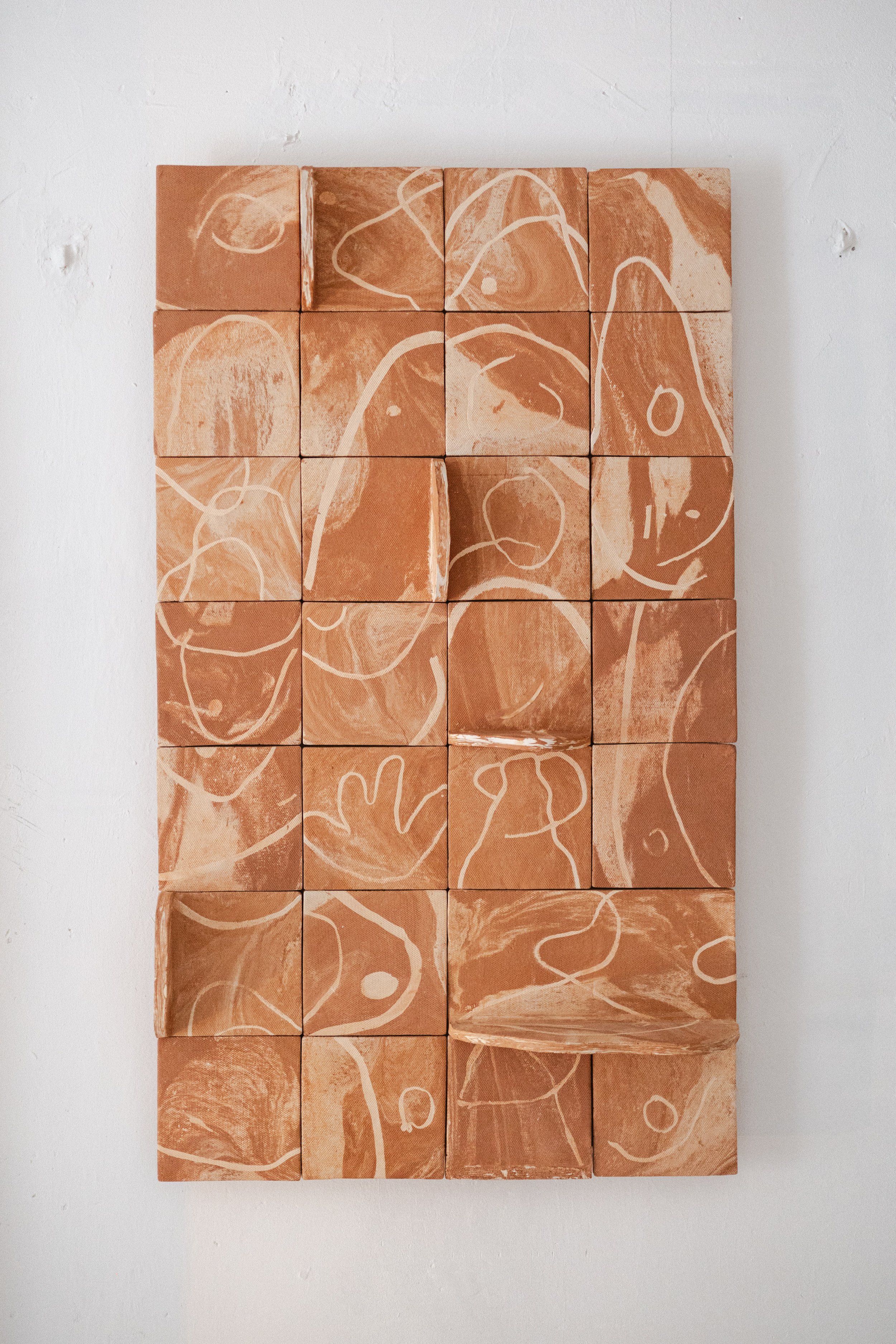
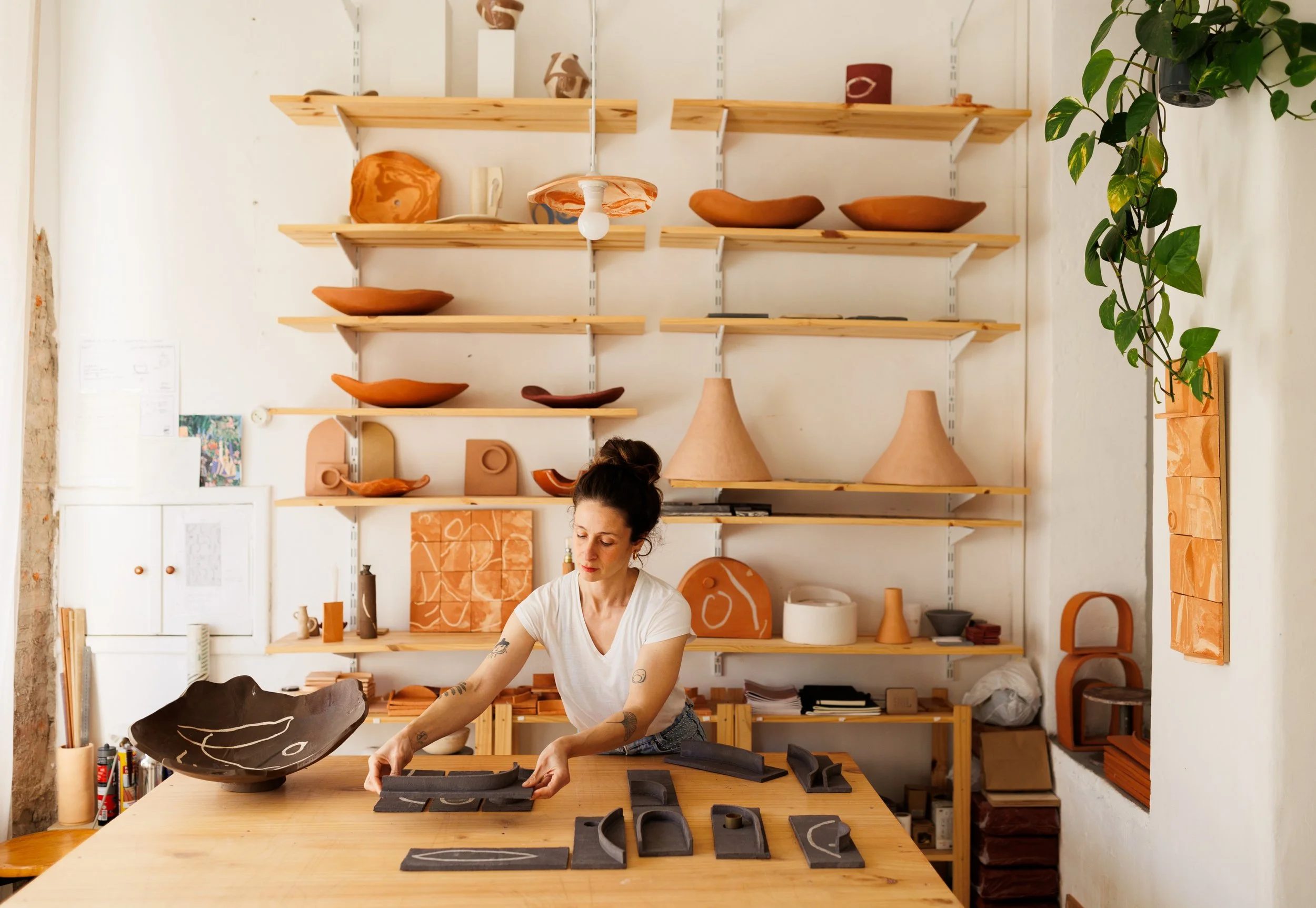
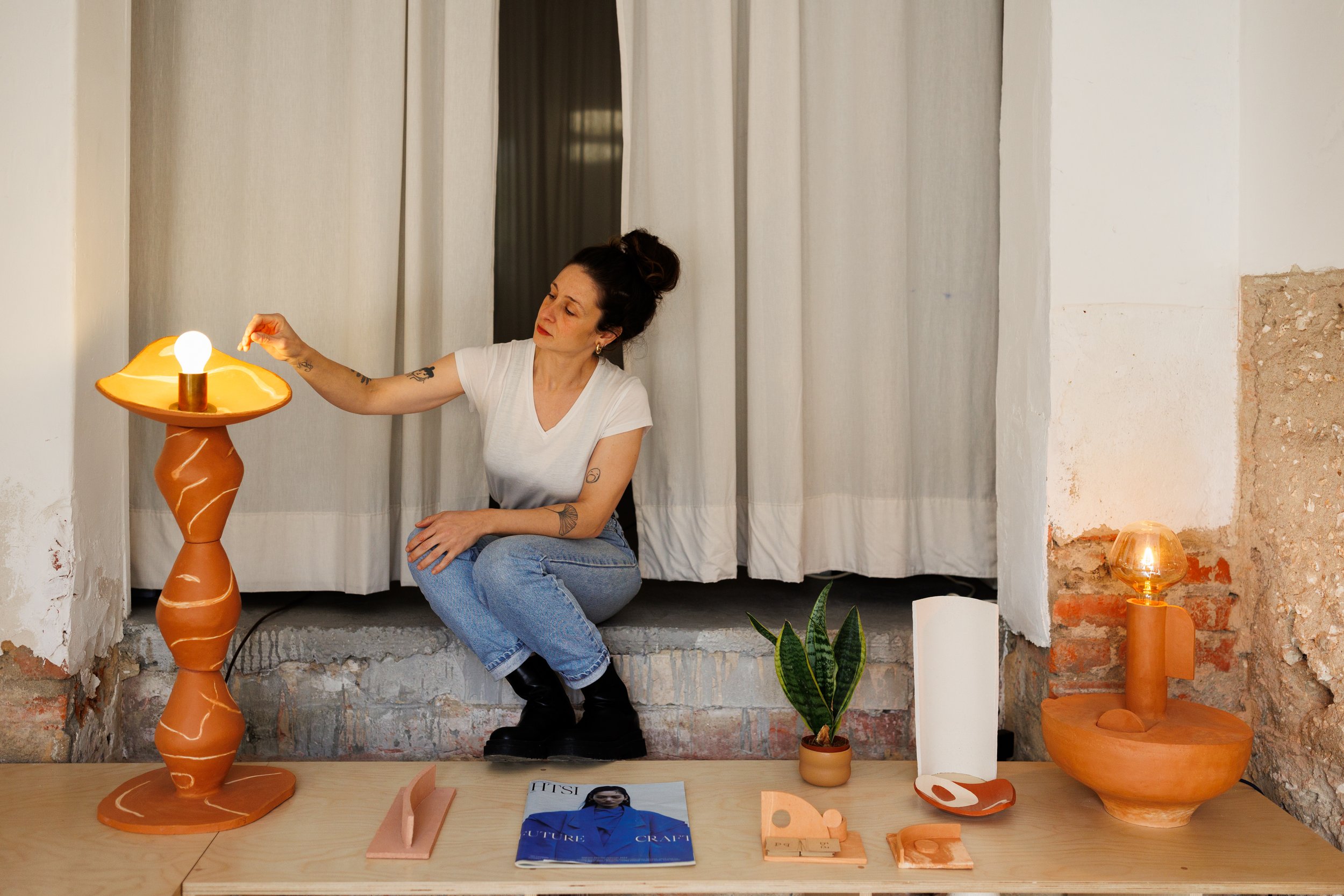
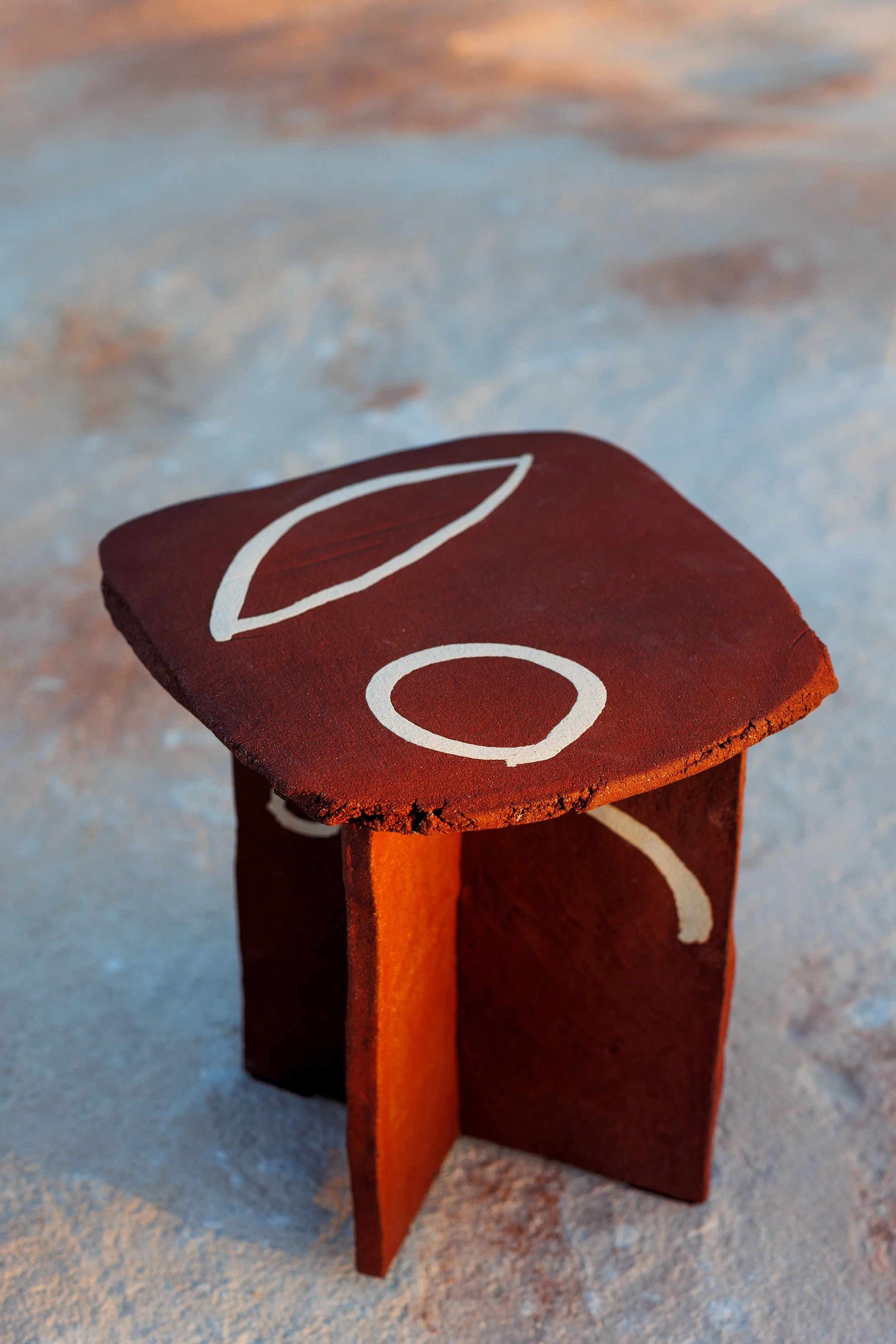
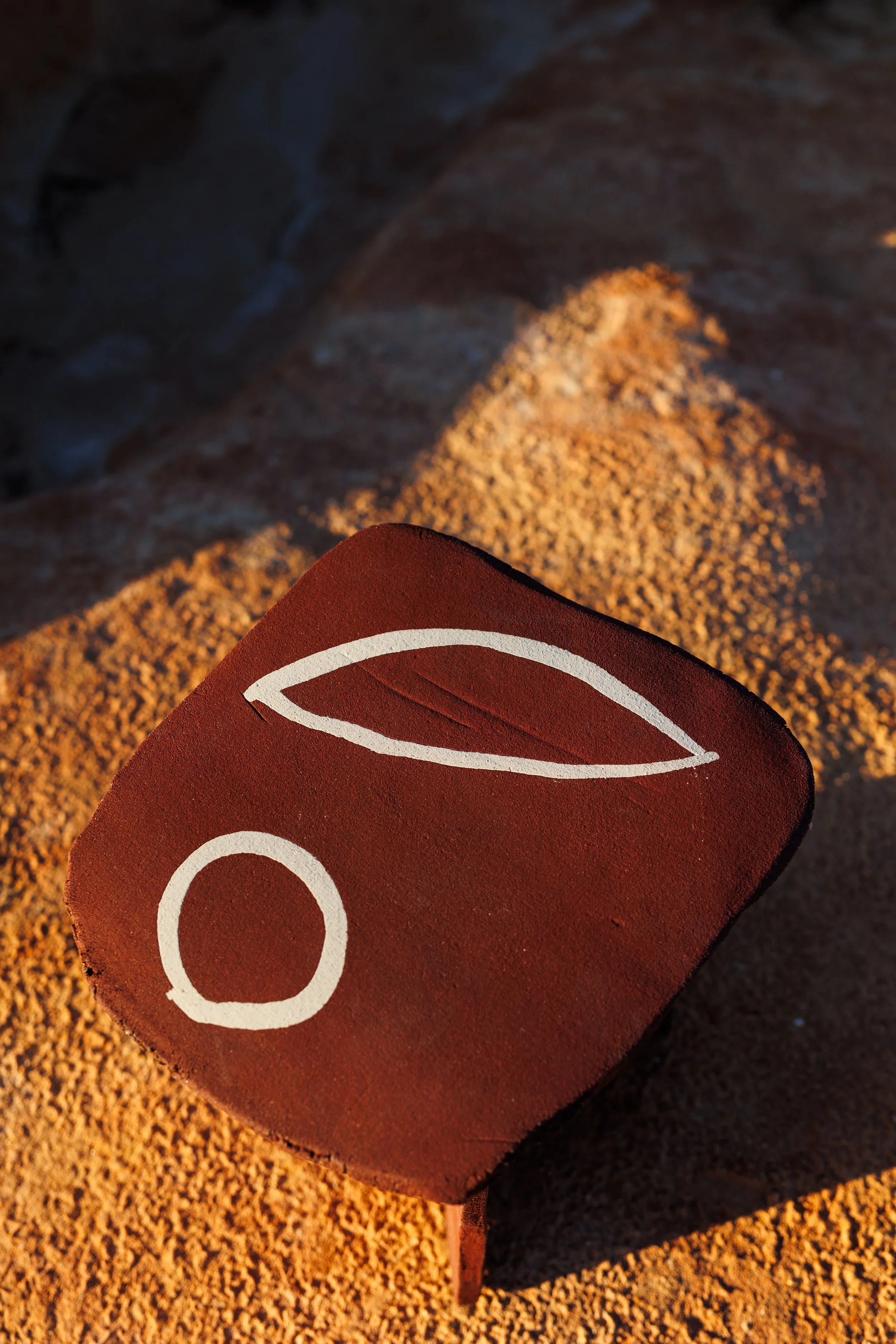
Handmade in Lisbon by Tatiana Ferreira, the Playground Coffee Table is part of the PLAYGROUND series, a limited edition of handcrafted pieces. Crafted in red stoneware with a matte varnish finish, each piece explores the harmony between sculptural volume and functional design. With a unique composition and tactile textural expression, the table highlights the organic beauty of handcrafted production. Every object is singular, allowing the material’s natural character to shape its distinct presence.
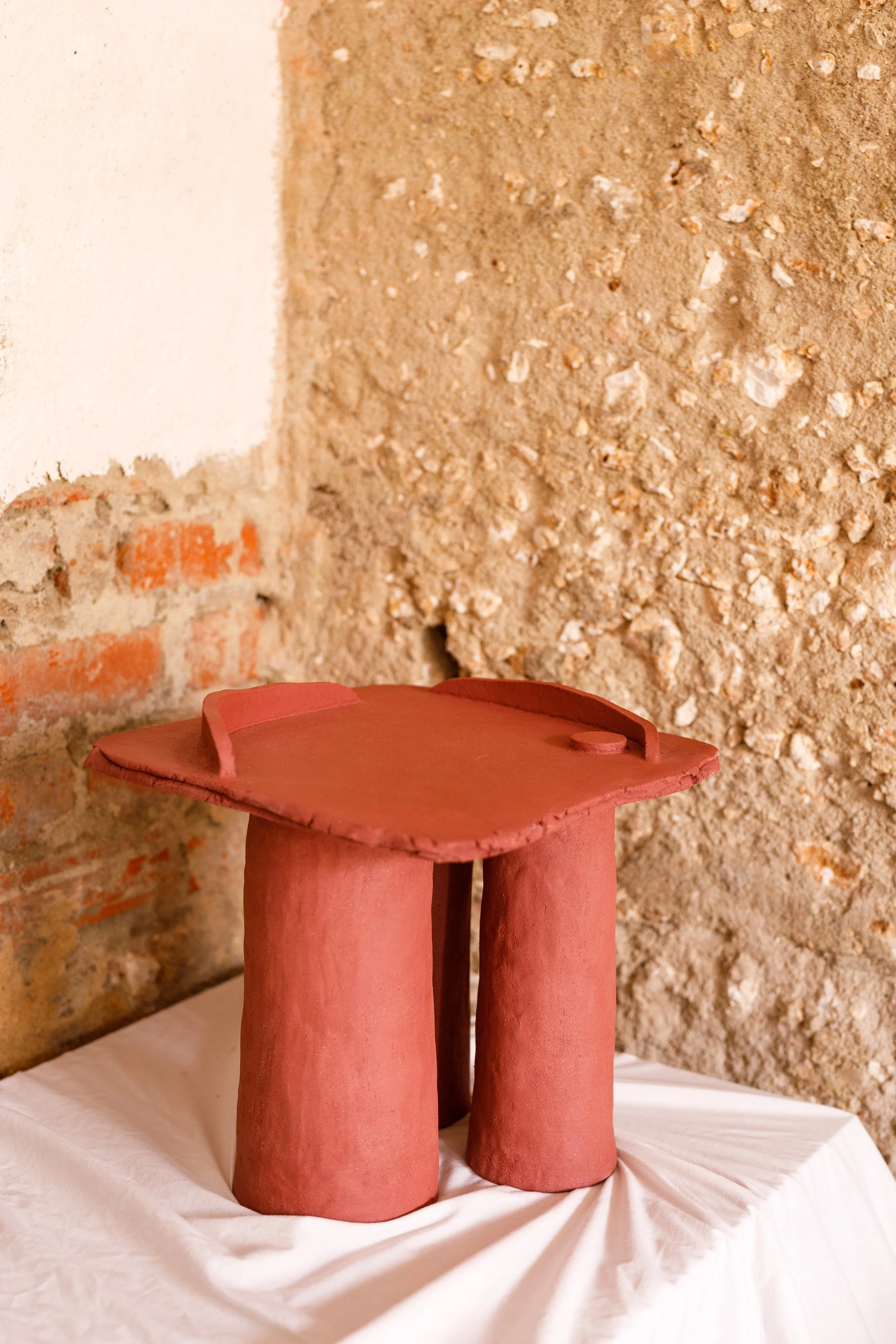
Handmade in Lisbon by Tatiana Ferreira, the Playground Coffee Table is part of the PLAYGROUND series, a limited edition of handcrafted pieces. Crafted in red stoneware with a matte varnish finish, each piece explores the harmony between sculptural volume and functional design. With a unique composition and tactile textural expression, the table highlights the organic beauty of handcrafted production. Every object is singular, allowing the material’s natural character to shape its distinct presence.
