Halszka Staniewicz
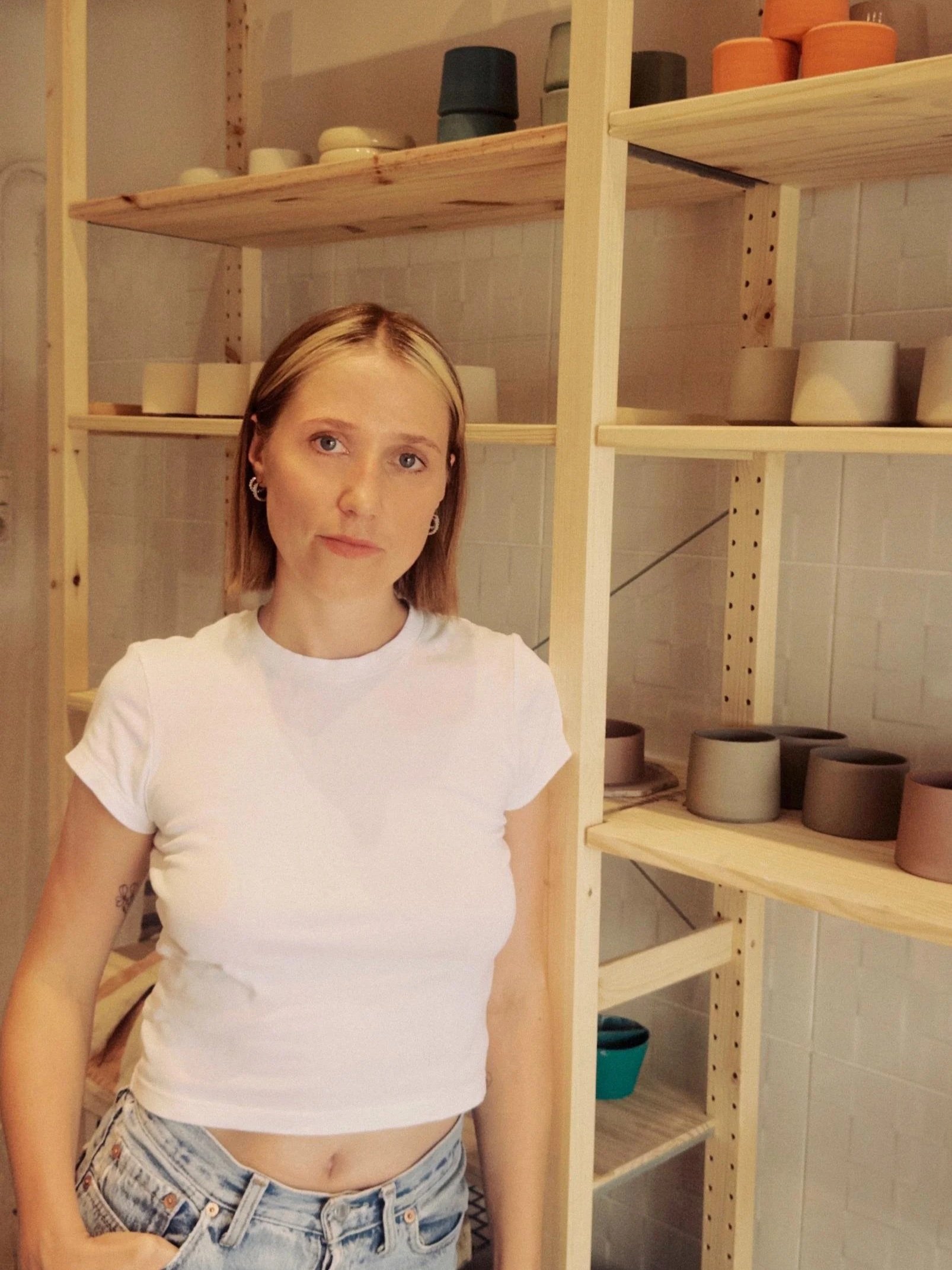
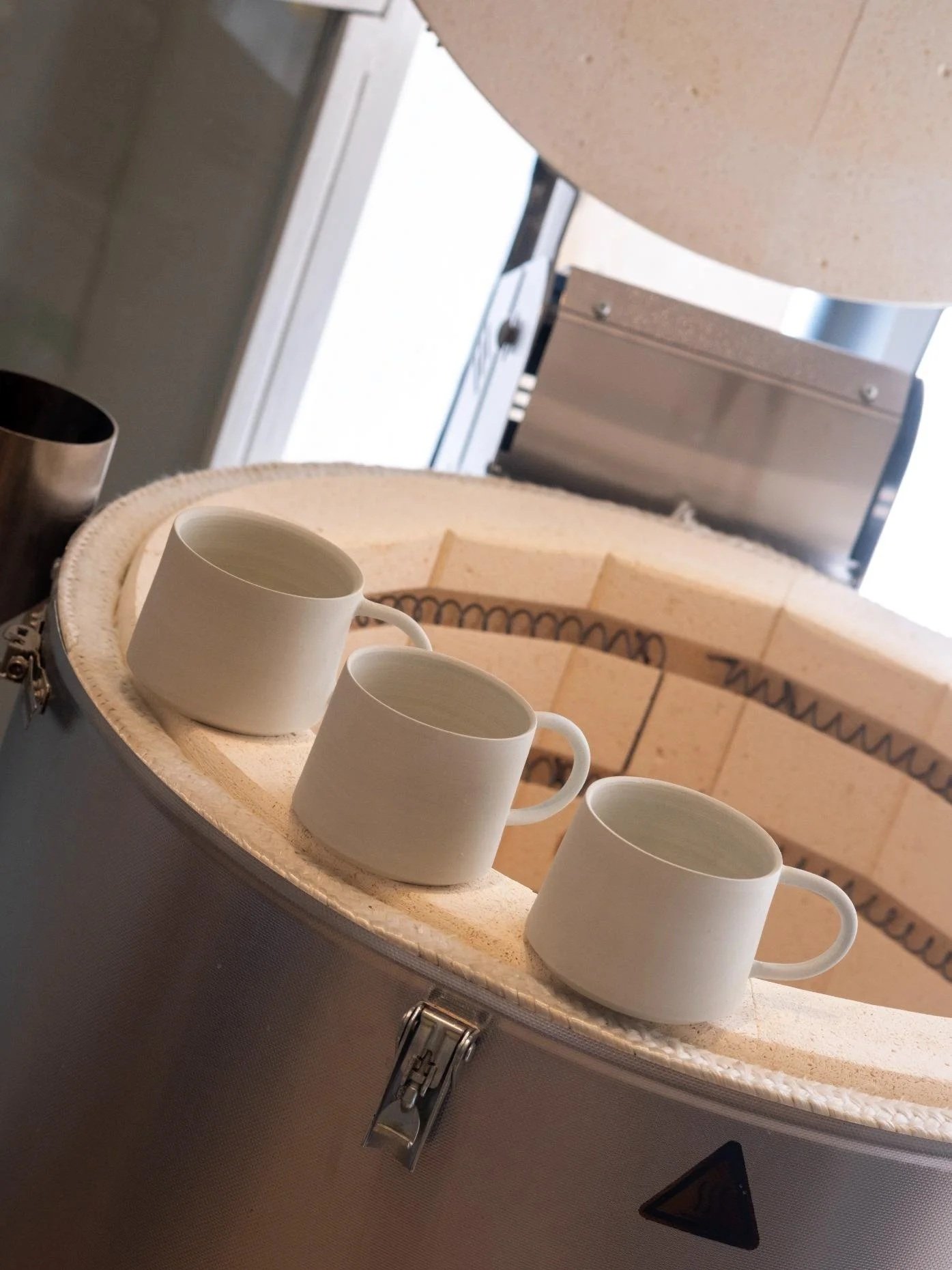
Could you tell us a bit about yourself and your background, and how your path from fine art and graphic design led you to ceramics and working on the wheel?
I originally studied Fine Art, specialising in photography, but as I didn’t see myself moving into commercial photography, my path eventually led me towards graphic design. What I loved about graphic design was being able to use creativity to solve problems for others. It taught me that something cannot only be visually beautiful, it also needs to be clear, considered and functional. At the same time, I found myself missing the physical, tactile side of making.
When I discovered ceramics, and particularly working on the wheel, everything seemed to come together. It gave me the direct connection with material that I had been looking for, while still allowing me to work with form, proportion, colour and function.
Both of those worlds continue to influence my work in different but closely connected ways. My fine art background informs its visual and expressive side, while graphic design shapes the way I think about precision, usability and problem-solving. Through ceramics, I can create objects that have the presence of art, but are also functional and made to become part of everyday life.
Modernist principles and contemporary interiors clearly inform your eye. Were there other references, places, or people that shaped how you see form, earlier in your life?
I’m not sure I can trace it back to one particular influence. Clean lines, repetition and geometry have simply always made me feel most at ease, both when looking at something and when creating it myself.
I have always been drawn to work that creates a sense of calm through restraint. From the grids and subtle colours of Agnes Martin, who is my favourite painter, to the clarity of modernist architecture and the precise, architectural forms of Poul Kjærholm’s furniture.
What connects these references for me is not minimalism for its own sake, but the feeling that every line, proportion and detail has a reason to be there. I think that instinct was present long before I began working with clay, and ceramics became a way for me to translate it into objects that can be lived with and used every day.
Your pieces are described as combining clean geometry with tactile, functional design. How do you find that balance between precision and the handmade?
I actually love when handmade pieces almost don’t look handmade. I know that idea can be controversial, because visible irregularities and traces of the maker are often seen as an important part of ceramics, but for me, working by hand doesn’t necessarily mean that something should look imperfect.
I once saw a video by the New York ceramicist Sarah Hussaini (@notworkrelated_) carefully cleaning the glaze from her cups. Her work is incredible and entirely handmade, although the level of precision makes it almost difficult to believe that it is. The text on the video said something along the lines of “trying to remove all evidence of being a human”, and I immediately thought: I feel you. I have a similar admiration for Florian Gadsby and the way he uses repetition to keep refining forms that may initially appear very simple.
Expressive or irregular work can be beautiful too, but I’m most interested in those qualities when they are intentional. I believe you need to understand the rules before choosing how to break them. Personally, I want each piece to be as precise and resolved as I’m capable of making it at that moment, while accepting the subtle differences and imperfections that inevitably come from working by hand.
The greatest compliment for me is when someone cannot believe that one of my pieces was made on the wheel.
Can you walk us through your process? What does a day at the wheel look like for you, and are there rituals that help you get into the flow?
The funny thing is that, although my objects are very simple and precise (which might suggest a highly rigorous working routine), my process is almost the opposite. I don’t work well with divided attention, so when I plan to throw, I try to keep the whole day free. I need to know that my mind doesn’t have to move between different tasks and can focus entirely on what is happening at the wheel.
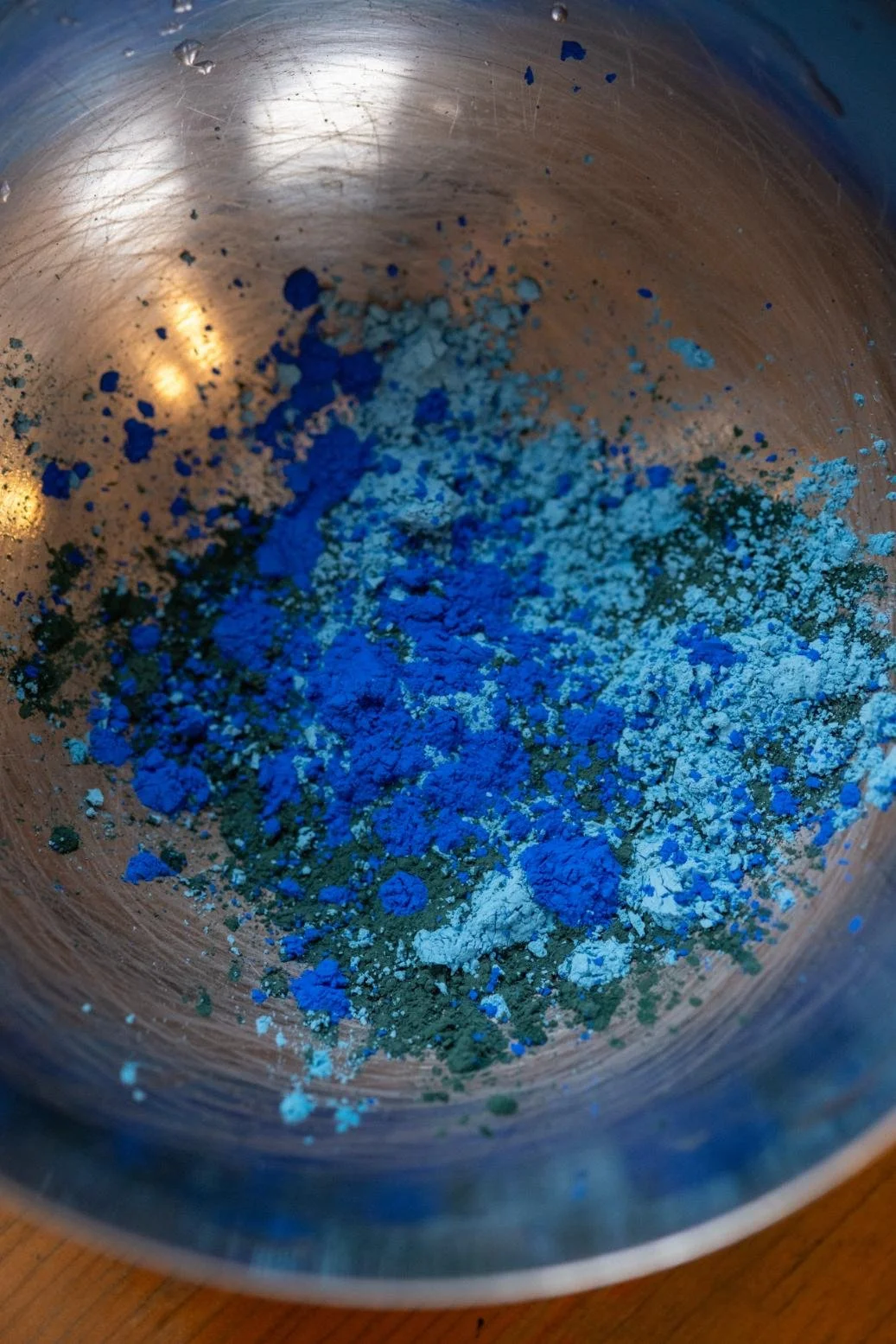
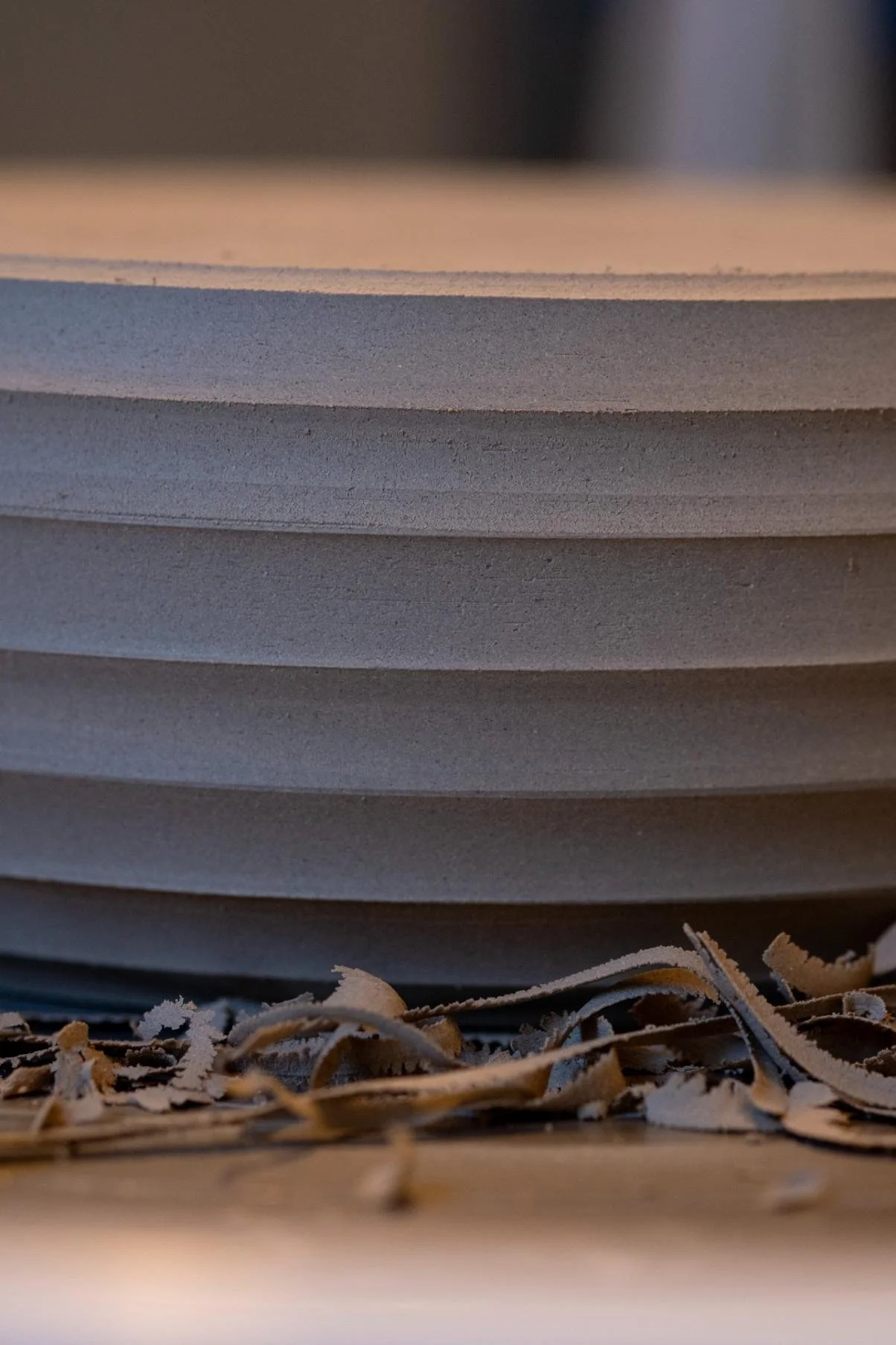
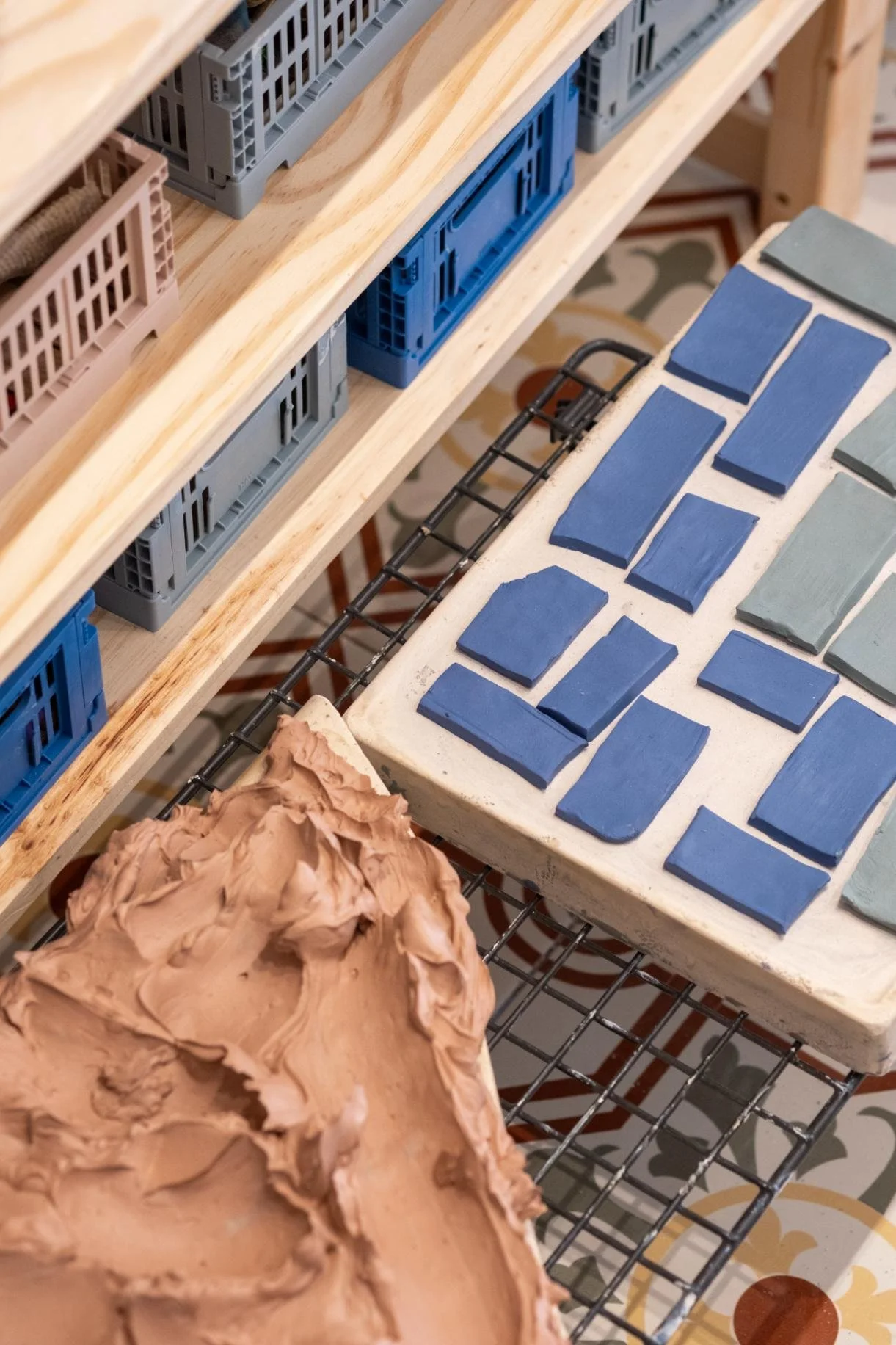
I’m also very much a morning person. For some reason, if I begin throwing later in the day, it rarely goes as well. I usually dedicate the first part of the day to the work that requires the most precision and concentration, such as throwing and trimming. In the afternoon, I move on to more preparatory tasks: mixing clay, organising the studio and getting everything ready for the following day.
Perhaps my main ritual is silence. I never listen to music while I throw. I prefer the studio to be completely quiet, so I can focus on the rhythm of the wheel, the material and the small changes happening beneath my hands.
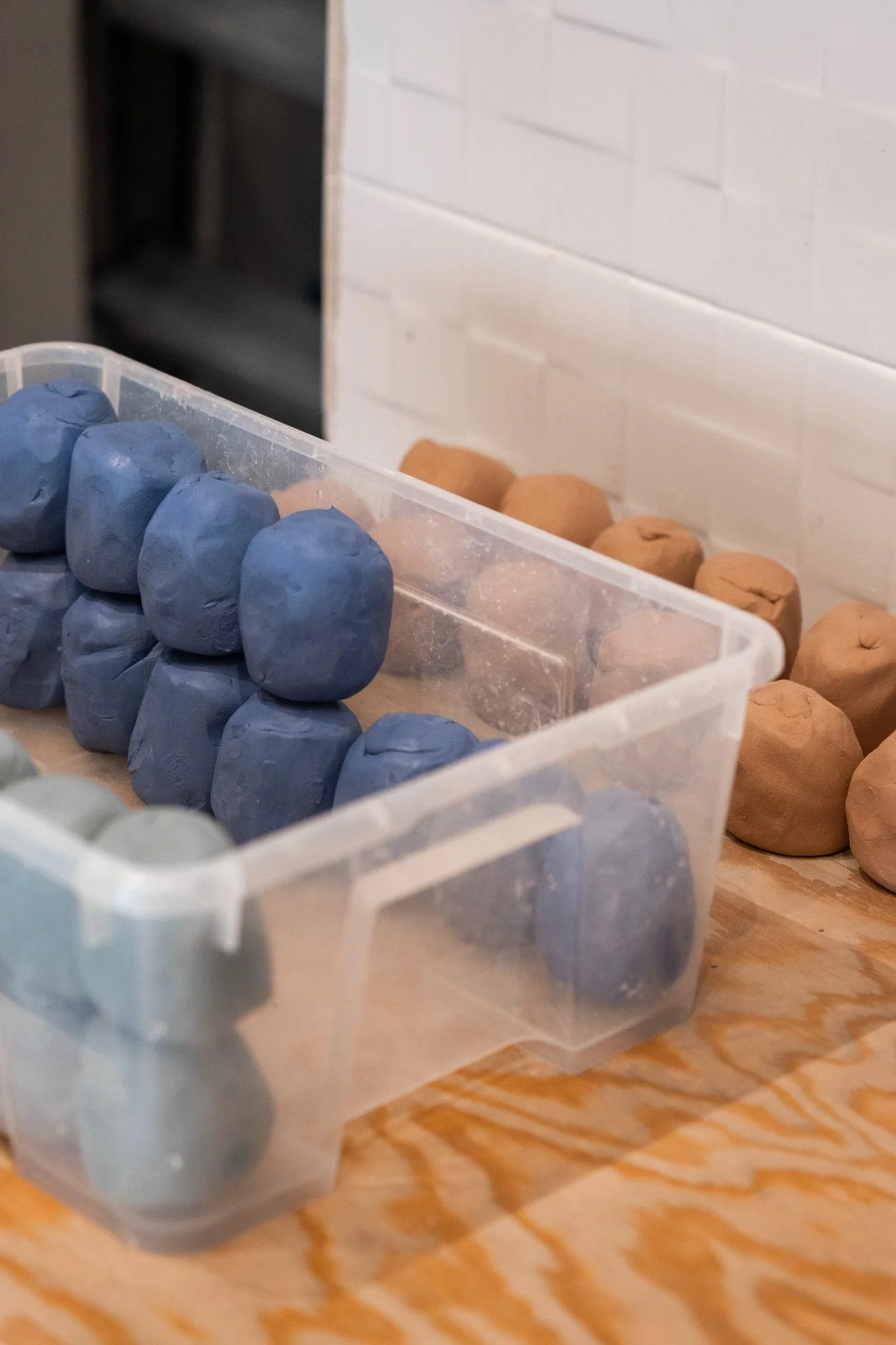
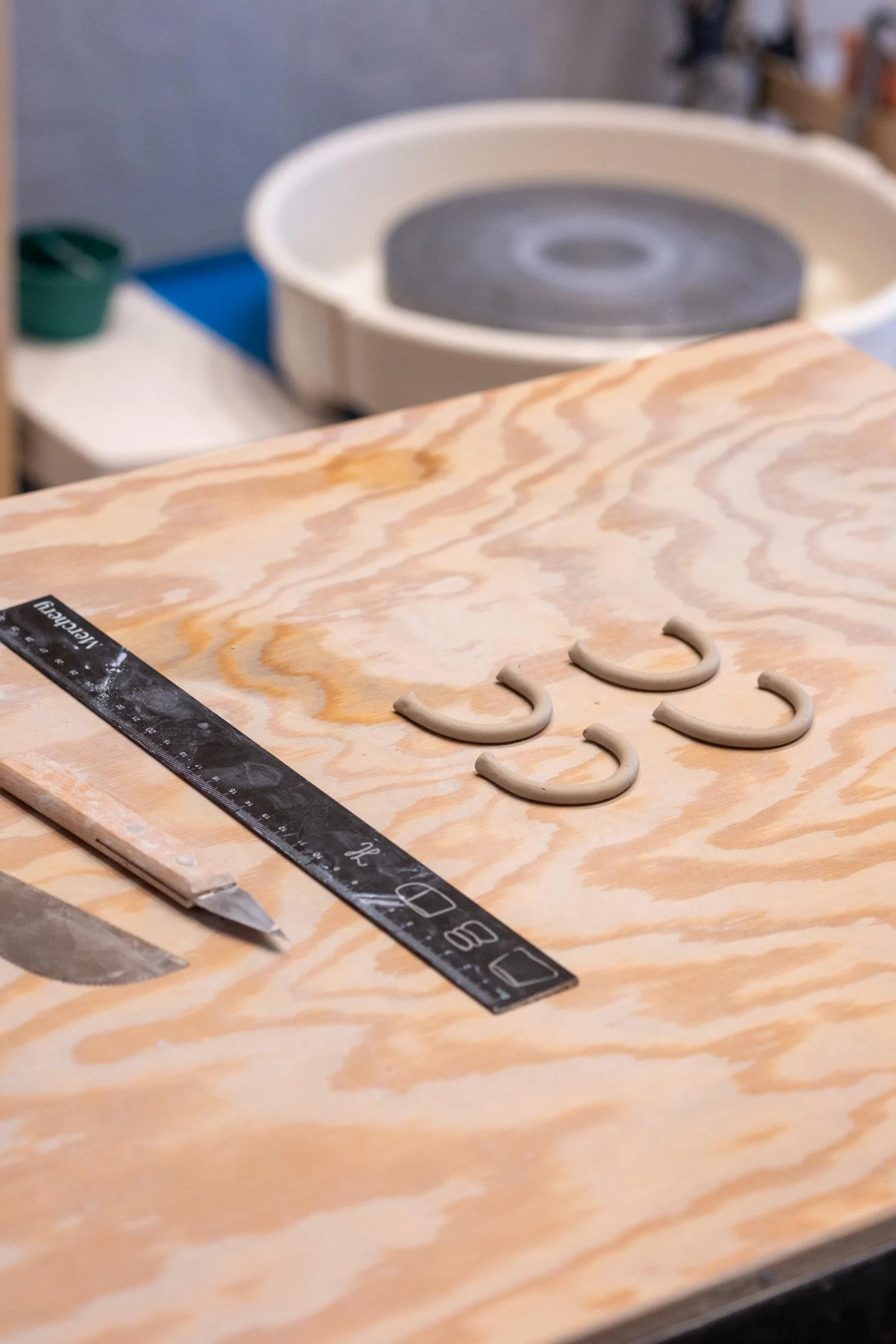
How does the physical, repetitive nature of throwing on the wheel affect your own sense of well-being?
I have a tendency to keep searching for a more perfect version of an object, so repetition never really feels boring to me. It is almost the opposite: I find it exciting to see how each piece improves and to notice the small details that can make an object feel better in the hand, more balanced or more comfortable to use.
At the moment, I still focus mainly on cups and smaller tableware objects. I have many ideas I would like to explore, but I’m happy to give these forms the time they need. From the outside, making cup after cup might appear repetitive, but for me each one is part of an ongoing process of refinement.
There is something grounding about returning to the same form and knowing it can still be improved. I don’t feel any pressure to move on simply for the sake of making something new. When I reach the point where I feel ready to explore another direction, I will, but I want the objects I leave behind to feel considered and resolved in every detail.
Has living and working in Barcelona changed the way you make, or is your process something you'd carry with you anywhere?
Barcelona gave me the opportunity to discover ceramics and to develop my practice, so in that sense the city has been very important. However, I don’t yet see a strong or direct connection between the place and the way I make.
I’m sure there are subtle influences like the people I meet, the spaces I visit and the everyday interactions that gradually shape how I see things, but my process feels quite internal.
Perhaps the influence of a place only becomes clear with distance. For now, I see Barcelona more as the place that allowed my ceramic practice to begin and grow, rather than something that consciously defines the work itself.
Are there new directions, techniques, or collaborations you're currently exploring?
Yes, I’m currently working on a few projects that are pushing my visual language in slightly new directions. I can’t share too much about them yet, but I’m excited by the way they are stretching what feels familiar within my work.
I choose collaborations quite carefully, because I don’t want to create something that feels disconnected from my own practice. At the same time, I really value working with brands and organisations whose ideas can push me towards choices I might not explore independently.
A good example was my collaboration with OFFF Festival earlier this year. The project required me to work with glazes I would probably never have chosen for my own collection, but the final pieces still felt very much like my work.
That balance is what makes collaboration interesting to me: being taken somewhere unexpected while still finding a way to remain true to my own visual language. I always learn a great deal through that process.
How can people engage more closely with your work — through your studio, stockists, or collaborations?
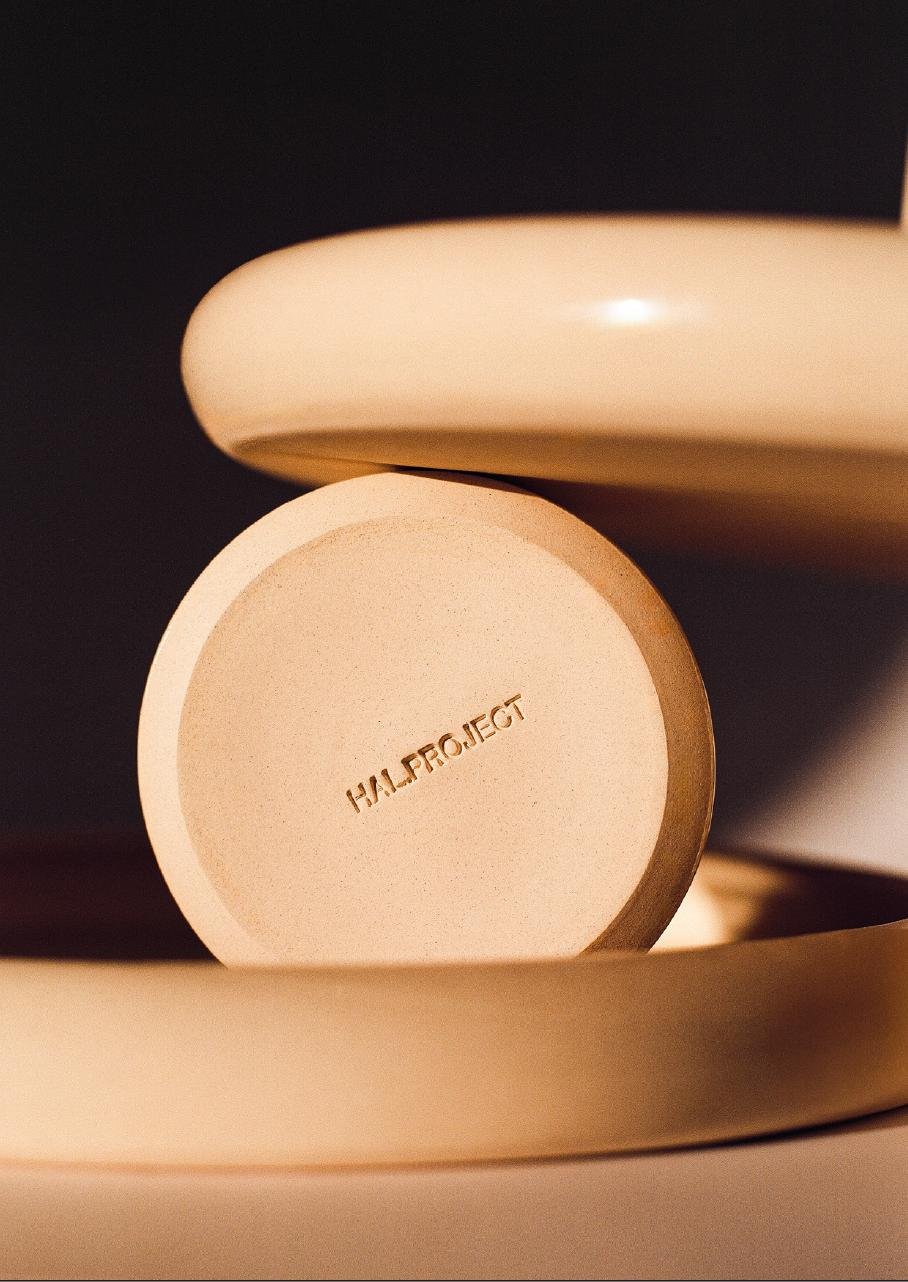
I’m slowly building a small network of stockists and would love for the work to have more presence across Europe. I want to be considered where it is placed, though, and prefer to work with shops and spaces that genuinely connect with the aesthetic and design values of HAL.PROJECT.
I’m also open to collaborations, both big and small. For me, it’s less about the size of the brand or order and more about whether there is a strong visual fit.
On Instagram, I’m trying to share more of the process and not only the finished pieces. Balancing making, running the studio and social media is still a work in progress, but I’m always happy to connect and hear about new ideas.
All photos and videos belong to Hal.
halproject.studio
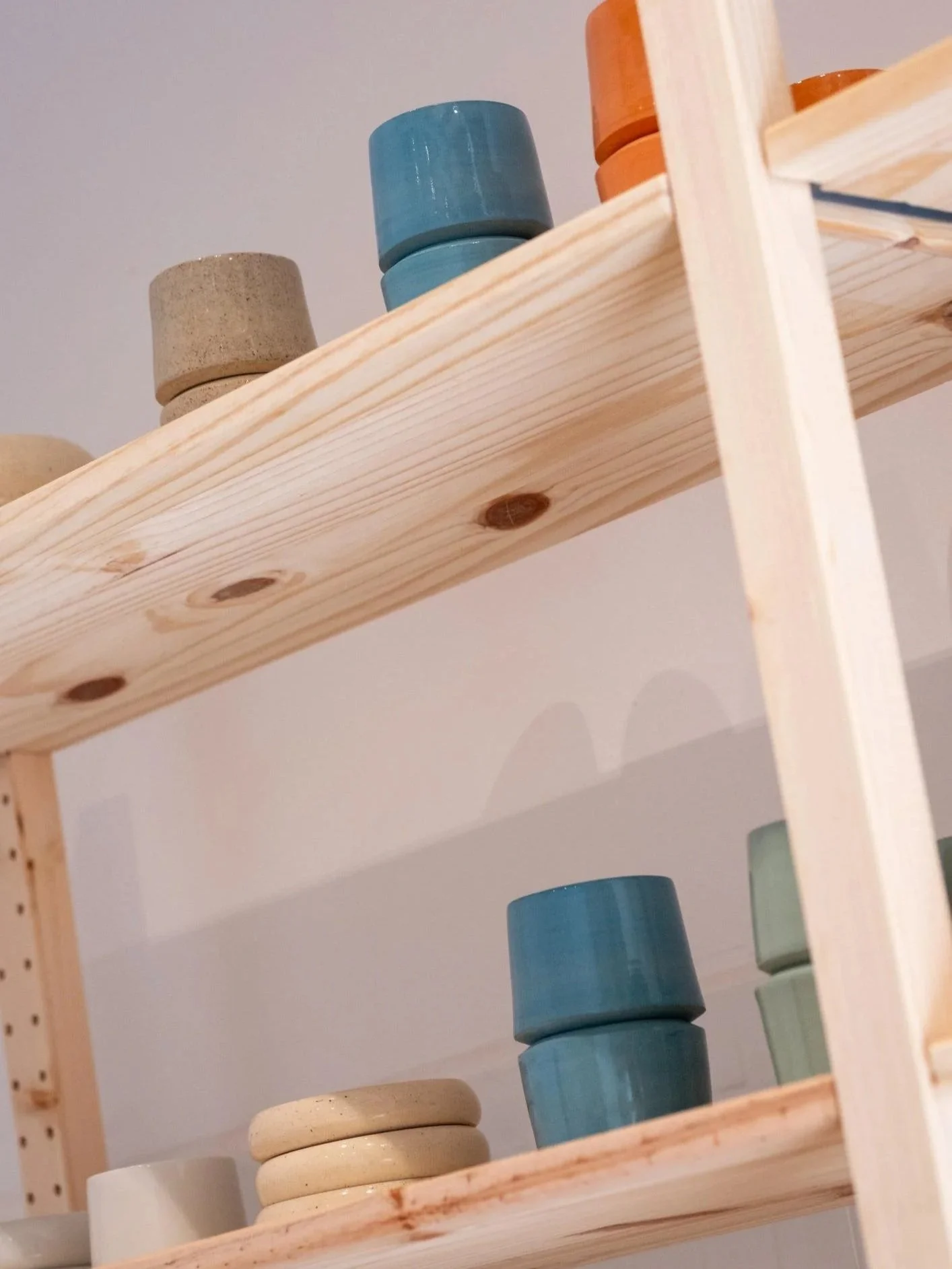
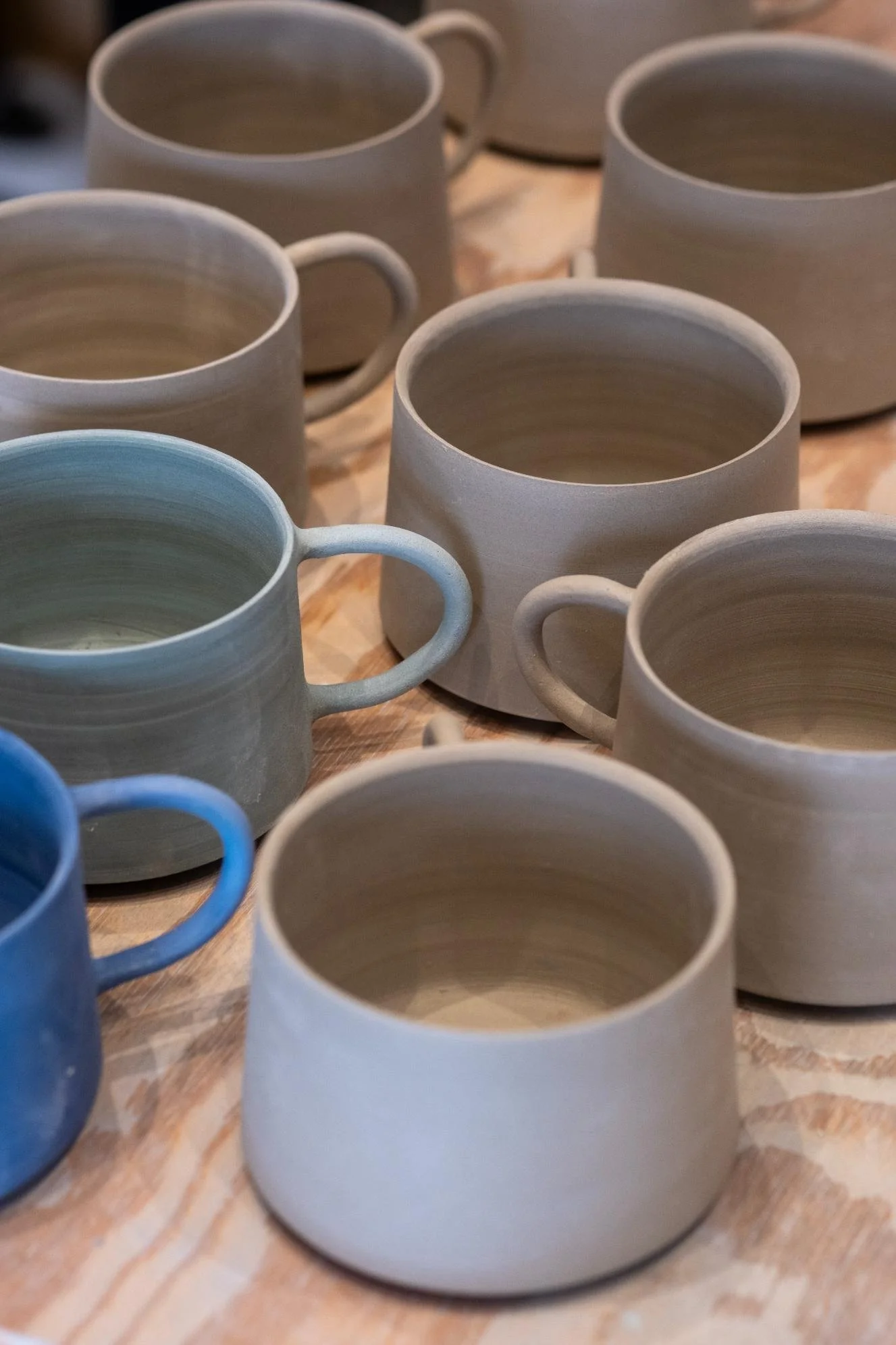
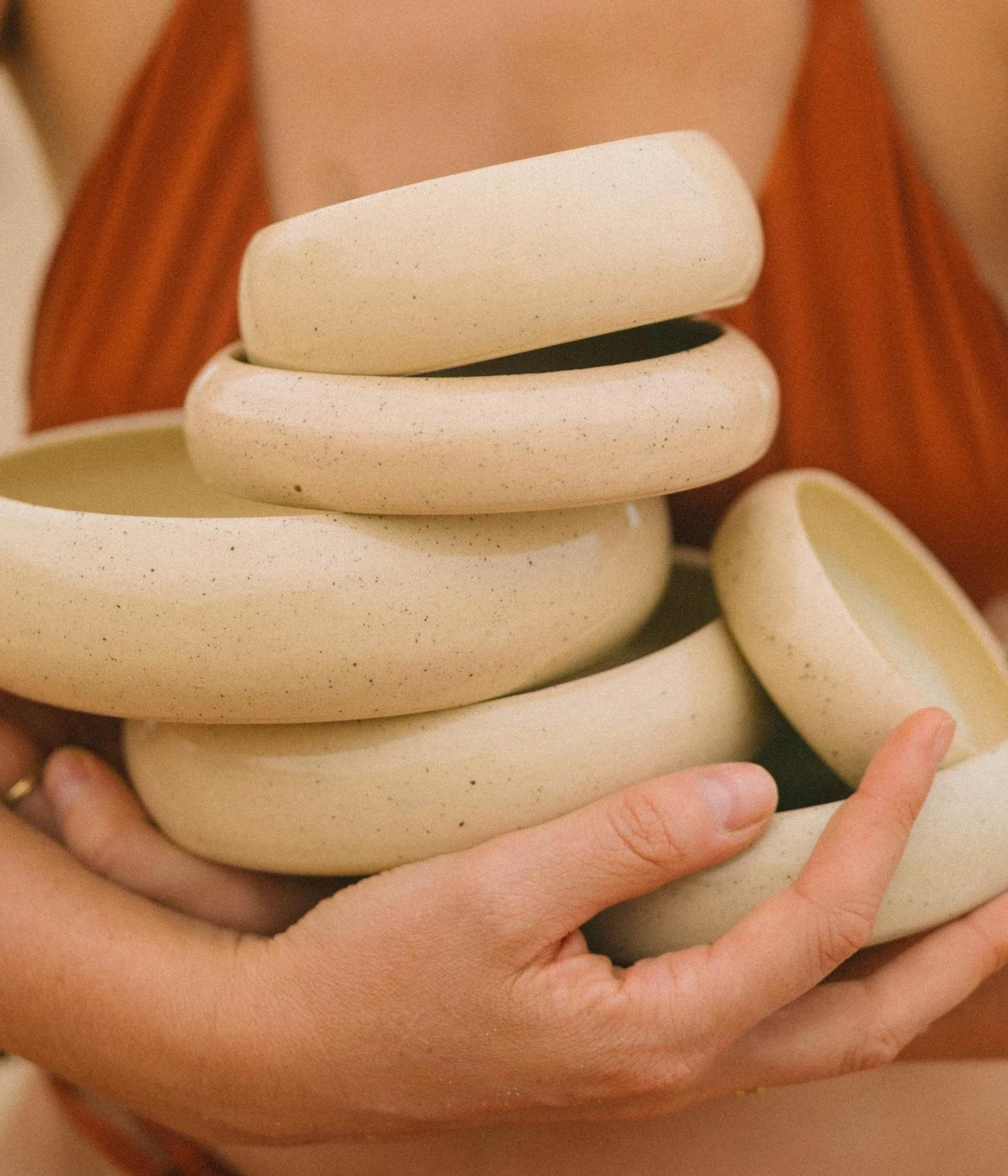
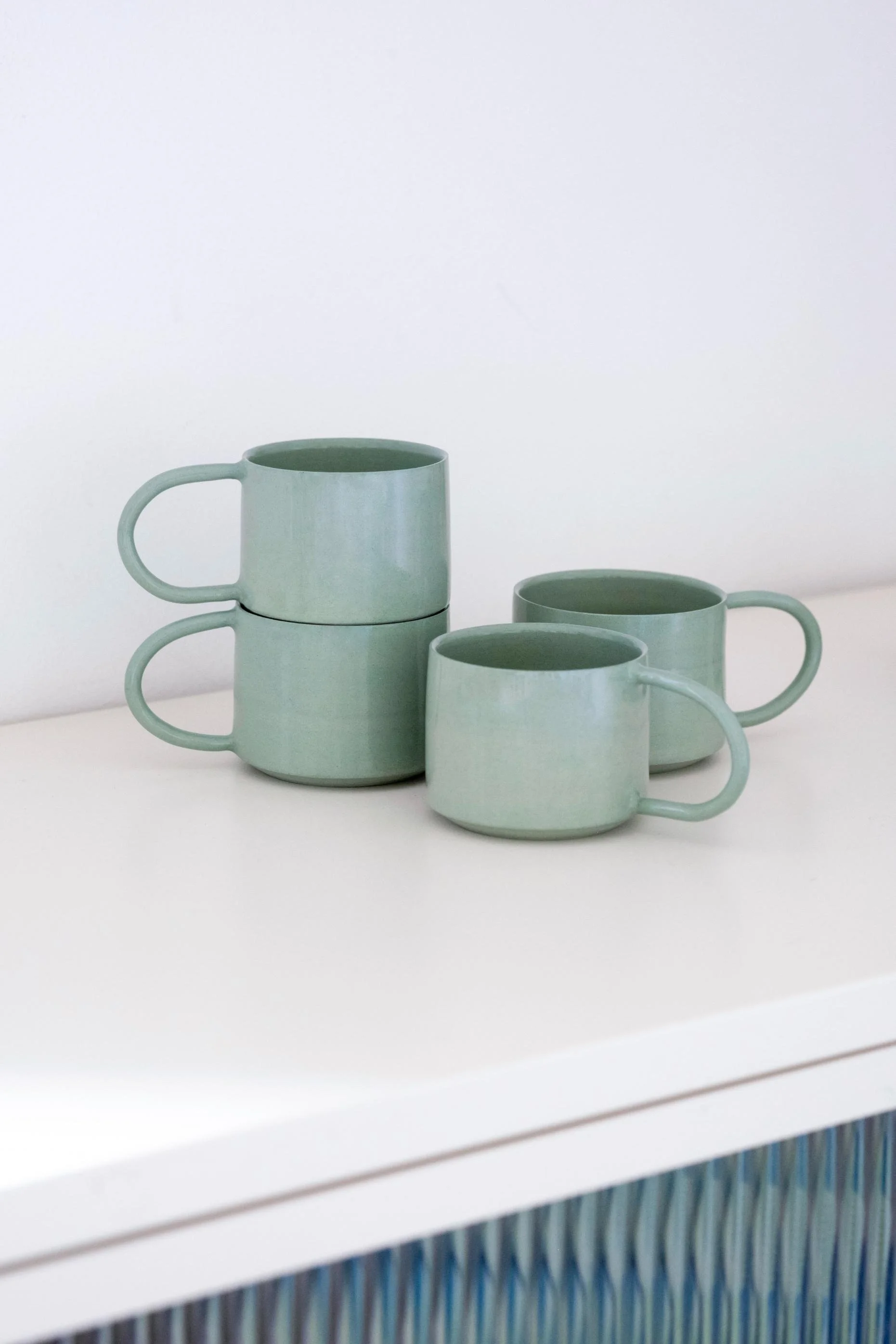
Handcrafted by Hal (HAL.PROJECT) in Barcelona, the Meadow Handle Cup is wheel thrown in coloured stoneware and finished with a transparent glaze. Presented in Grass, a soft green from the Meadow Collection inspired by wild landscapes, this special edition features a rounded handle that sits comfortably in the hand.
