Benedetta Ficarelli
Tell us a bit about yourself and your background.
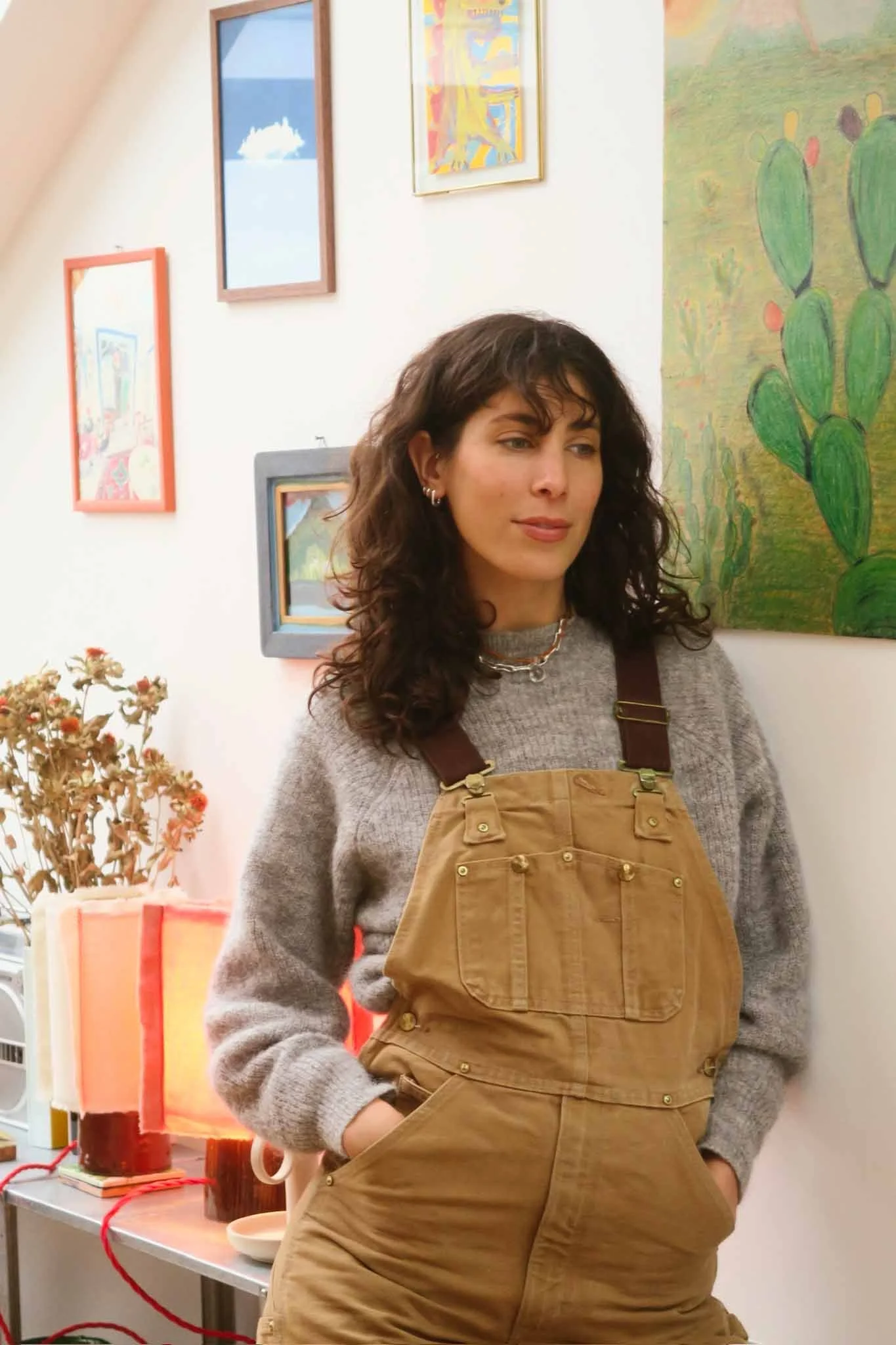
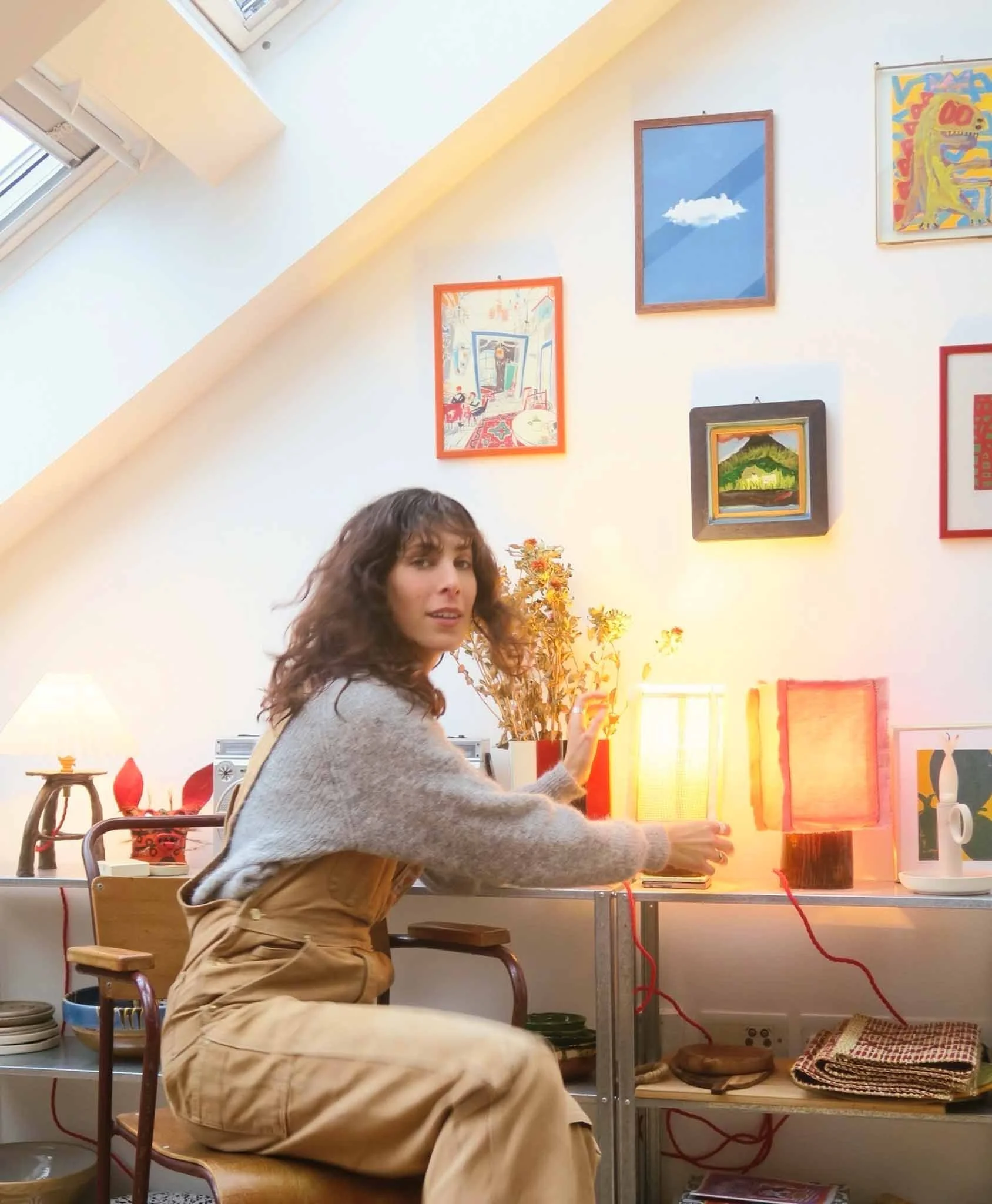
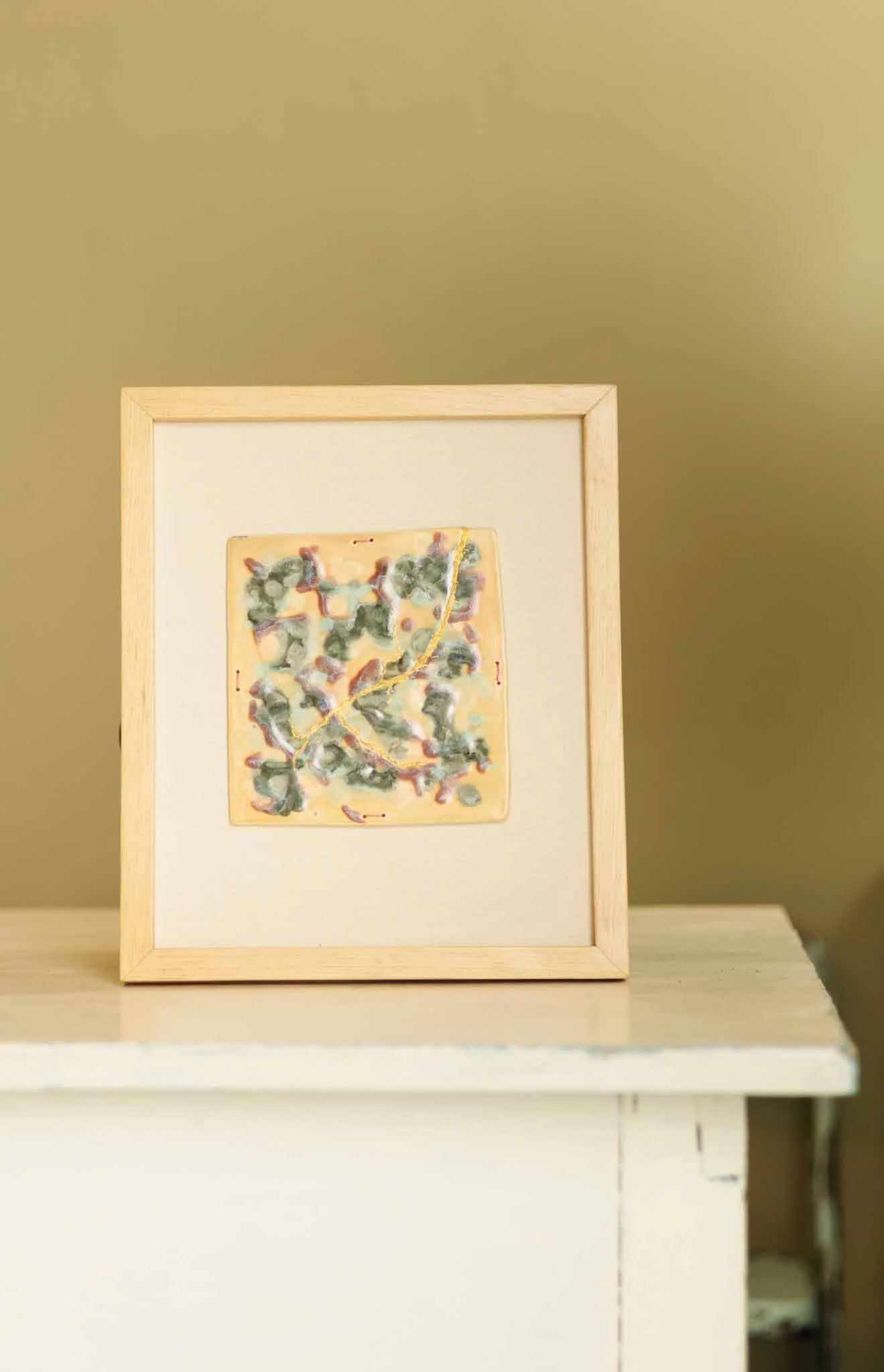
My name is Titta (Benedetta), I’m a ceramic and textile artist based in Hackney, London. My practice focuses on handmade ceramic lighting, tiles, jewellery and functional pieces that explore rhythm, materiality and the quiet presence of objects in our everyday lives.
I trained as an urban designer, but found myself craving a slower, more tangible and intimate way of working, where I could make things with my own hands. And so I started exploring ceramics, mending and embroidery workshops around London whenever I could.
After several years in London, I spent over a year in Mexico in 2023, immersing myself fully in making and the world of craft. I worked with Donde Clara and Nourom, two creative studios in Mexico City, where I explored traditional ceramic techniques, natural dyeing, and the use of local materials. Collaborating closely with makers and artists deepened my commitment to materiality, reuse and slow making.
What first motivated you to choose ceramics as a medium for creative expression? Were there specific experiences or influences that guided you toward this path?
It started quite casually. I was looking for a way to reconnect with art and came across a small community space where you could simply experiment with clay. It wasn’t a formal course — just an open, welcoming place to make. I was instantly drawn to how forgiving the material felt, how it encouraged me to focus on the process rather than the final result. It felt grounding, creative, and free from pressure.
Coming from work at the large urban scale, I’d been craving something more intimate — something I could shape, hold, and watch transform. Clay offered exactly that. It carries this incredible ancestral presence, an everyday material that has been with us for centuries, yet it remains so present in our day-to-day lives.
I often think about how things are made, how we’ve become so disconnected from the processes and people behind the objects we use. Working with clay reconnected me to that world, the process of making something from nothing, the numerous stages and time that it requires. It’s humble, unpredictable, and alive.
How have the landscapes, traditions, and cultural heritage of your upbringing influenced your work?
I grew up moving around a lot, and as I moved, I realised that the objects around the home became the things that carried a sense of belonging, connecting belonging to the sense of touch and memory is something I explore in my process of making. I often catch myself being drawn to certain colours, shapes and textures that surrounded me growing up.
My mother was a restorer; she collected antique objects, furniture and ceramics her whole life. She discovered antique middle eastern textiles when we lived in Lebanon and started restoring and covering antique furniture with different patchworks of fabrics she collected. I’m often drawn back to those colours and patchwork process, bringing back different influences from different cultures that have deeply influenced my connection to craft.
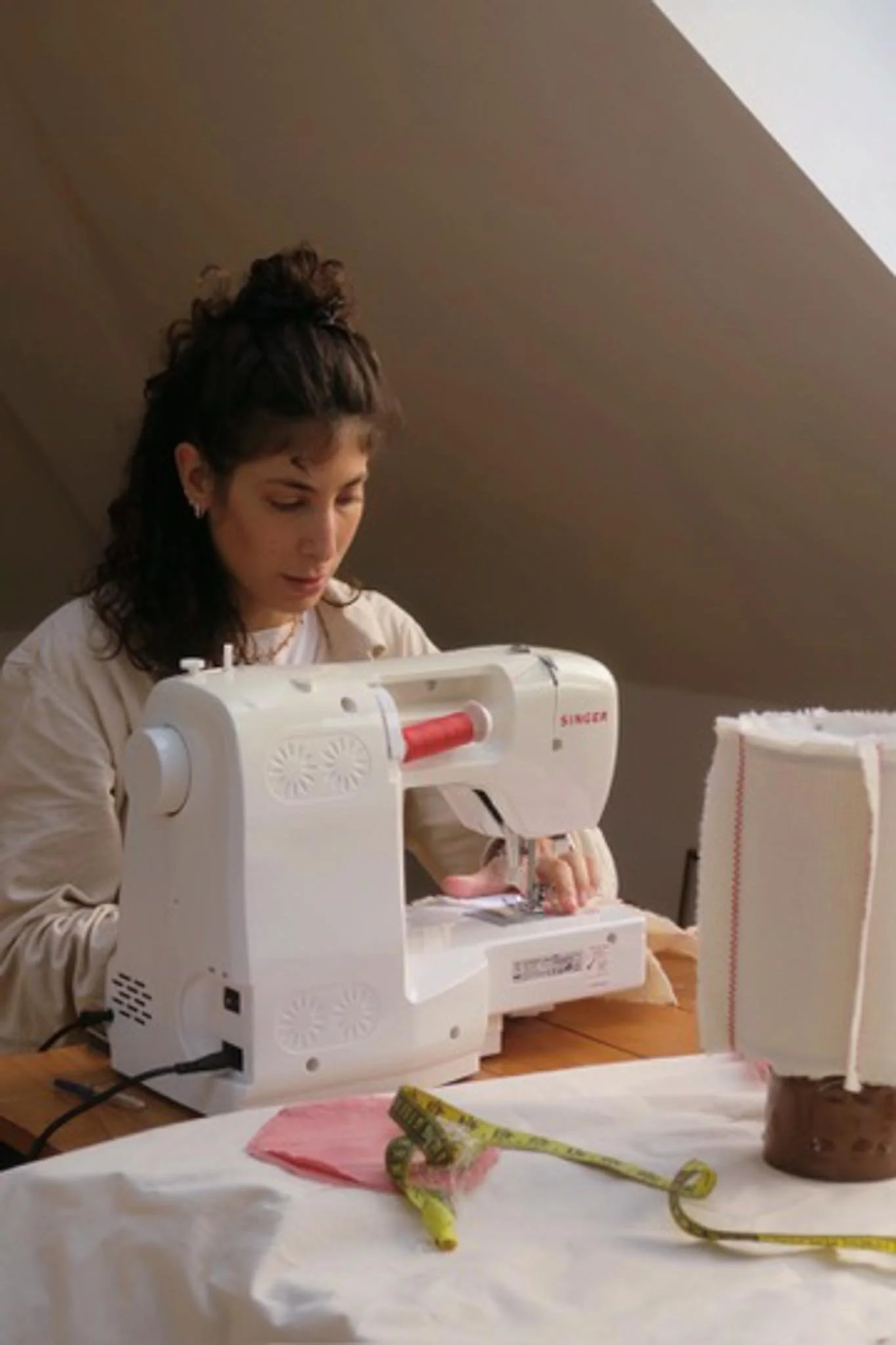
During my time in Mexico City, I was able to reconnect with these influences and inspirations. Reconnecting with the textile art, sewing and learning how to naturally dye to create these incredible colours that are alive and constantly changing.
We’d also love to hear about your Lamp collection — what inspired it, and how did the idea come to life?
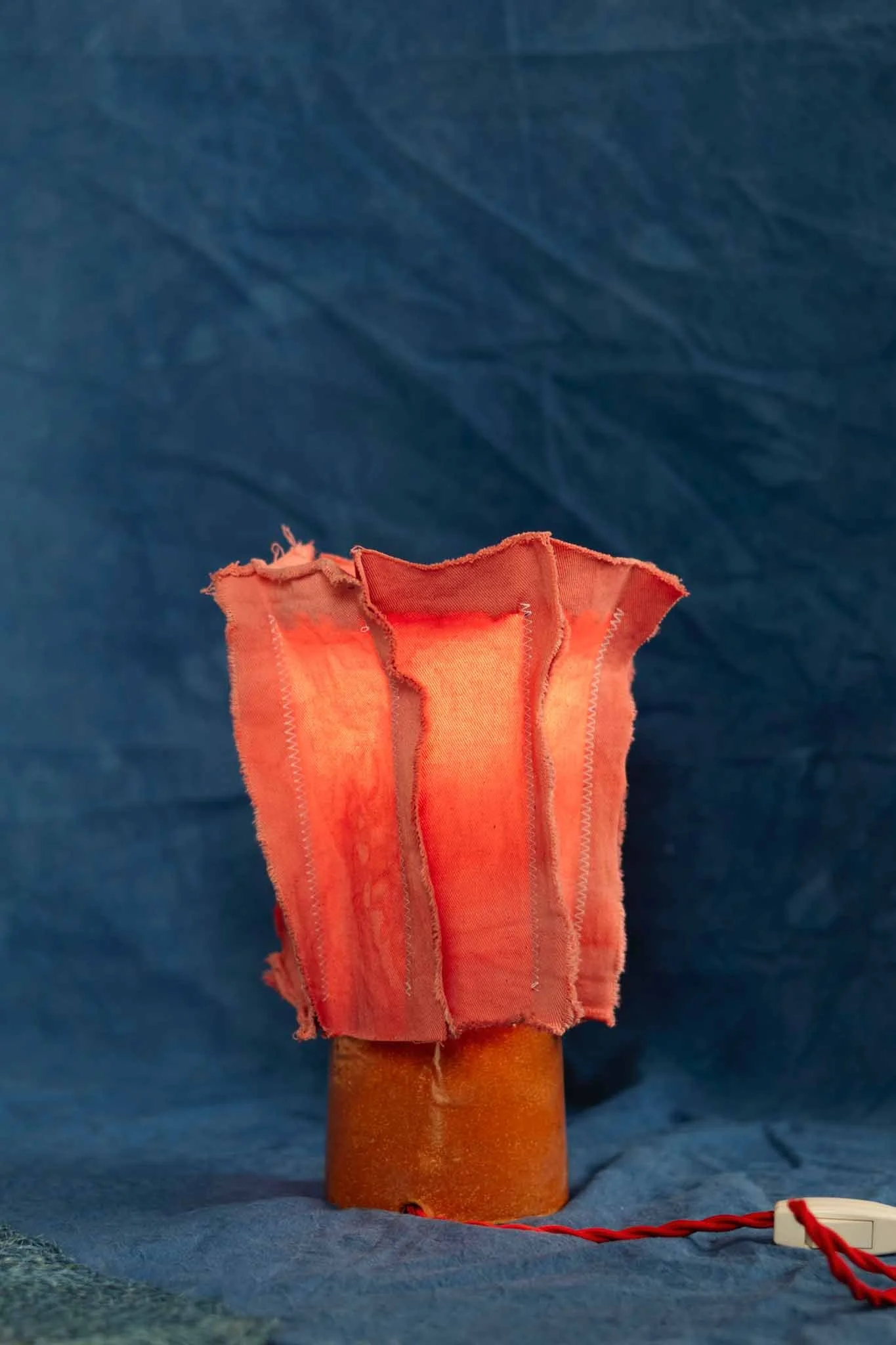
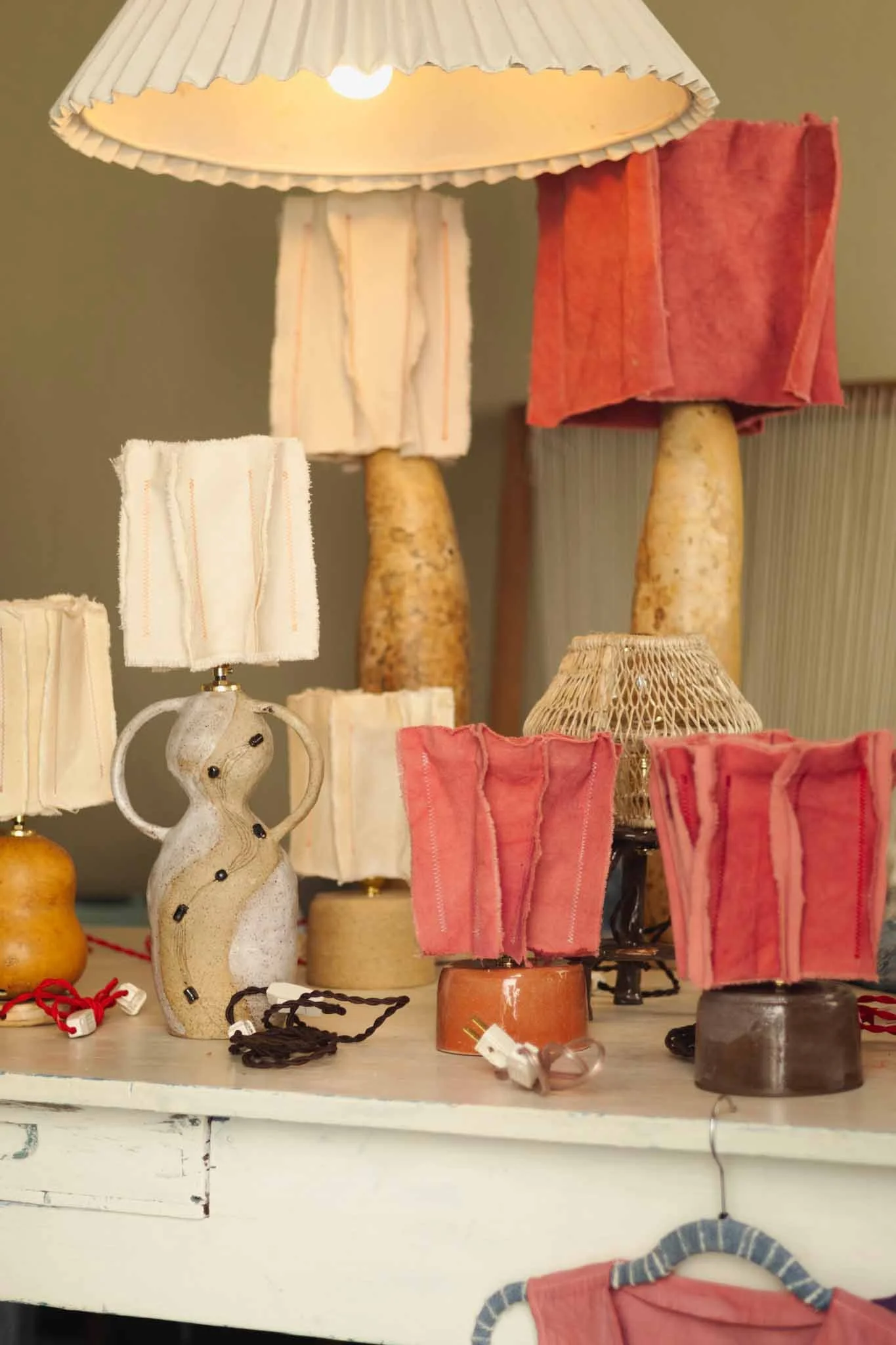
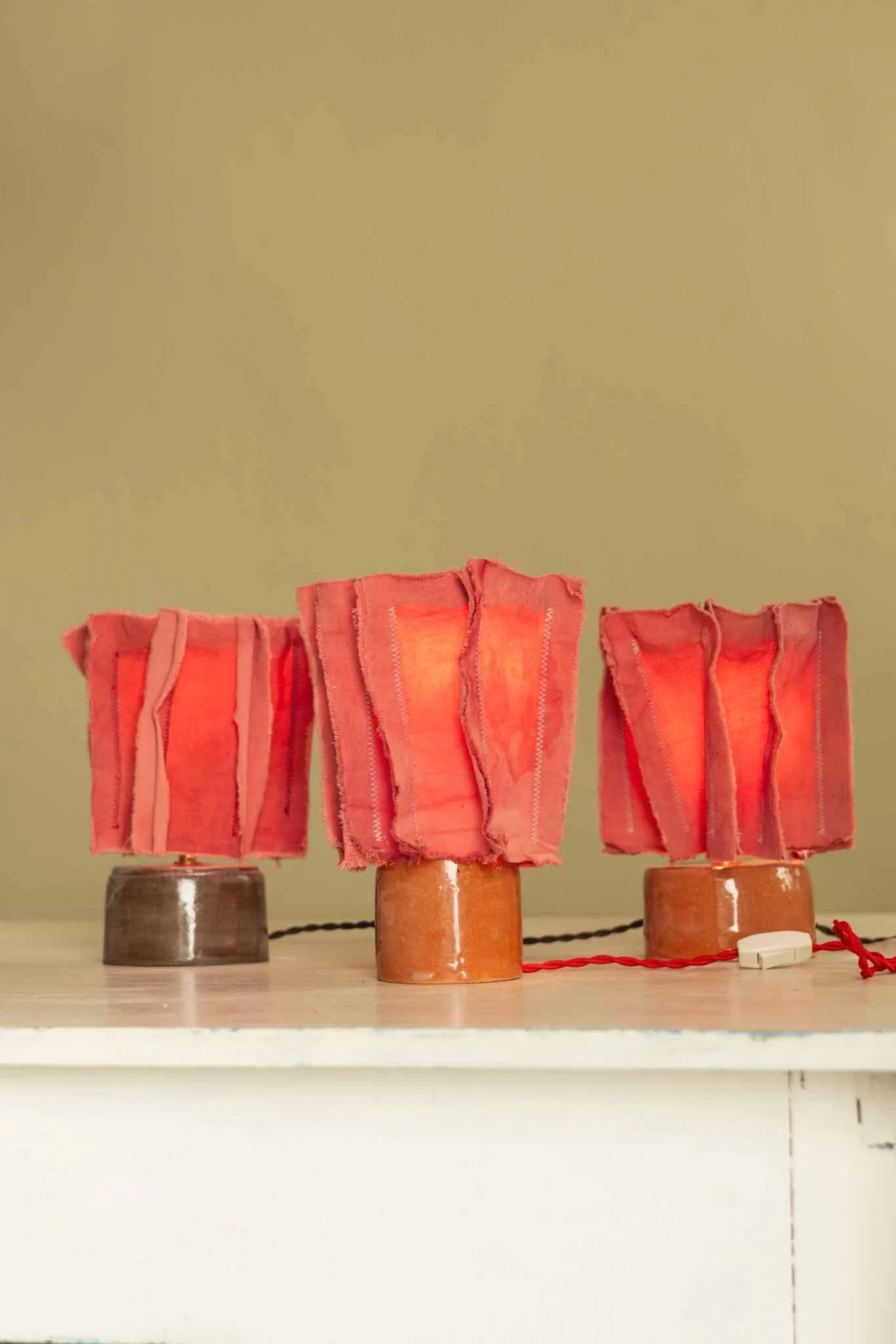
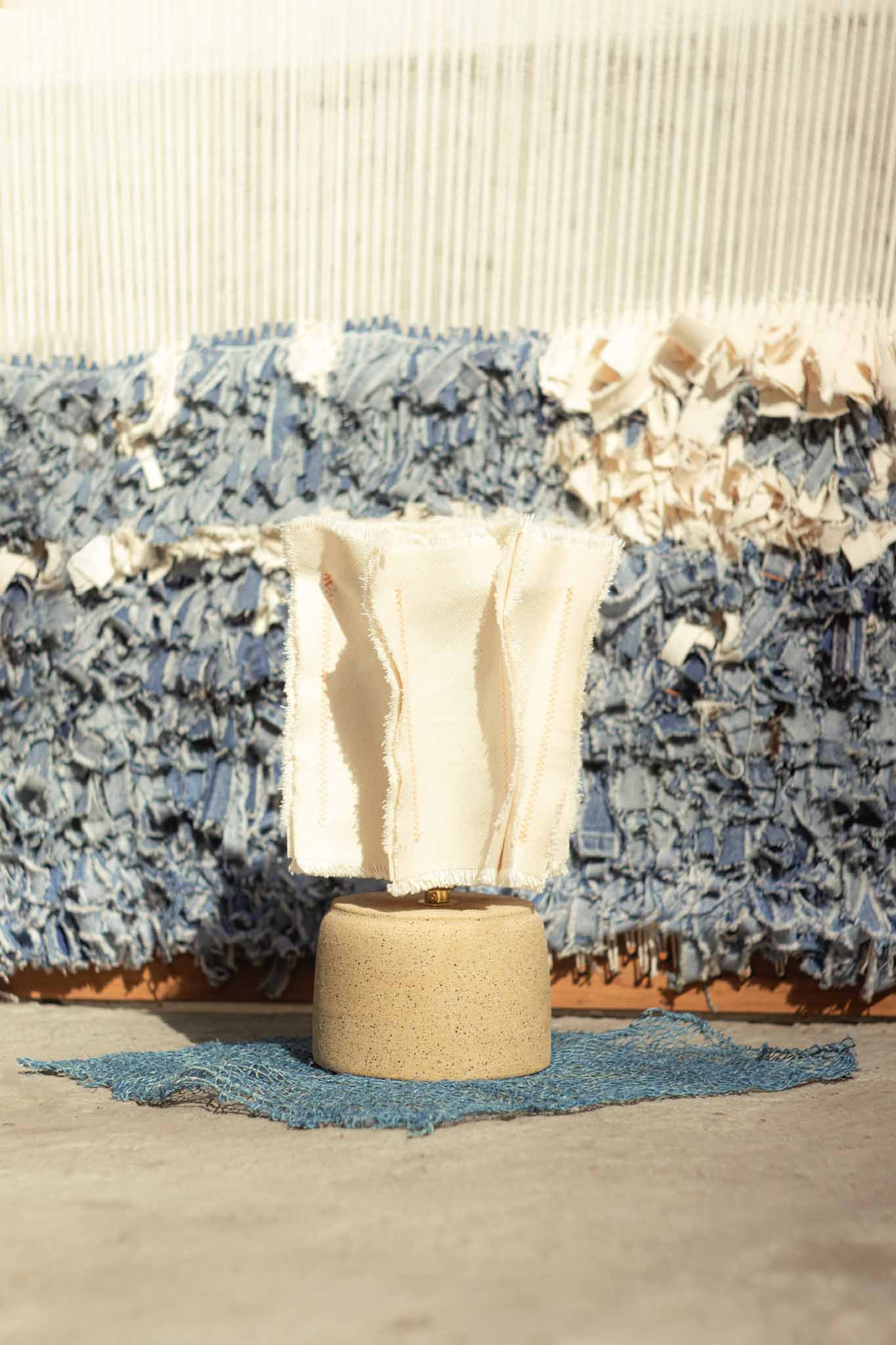
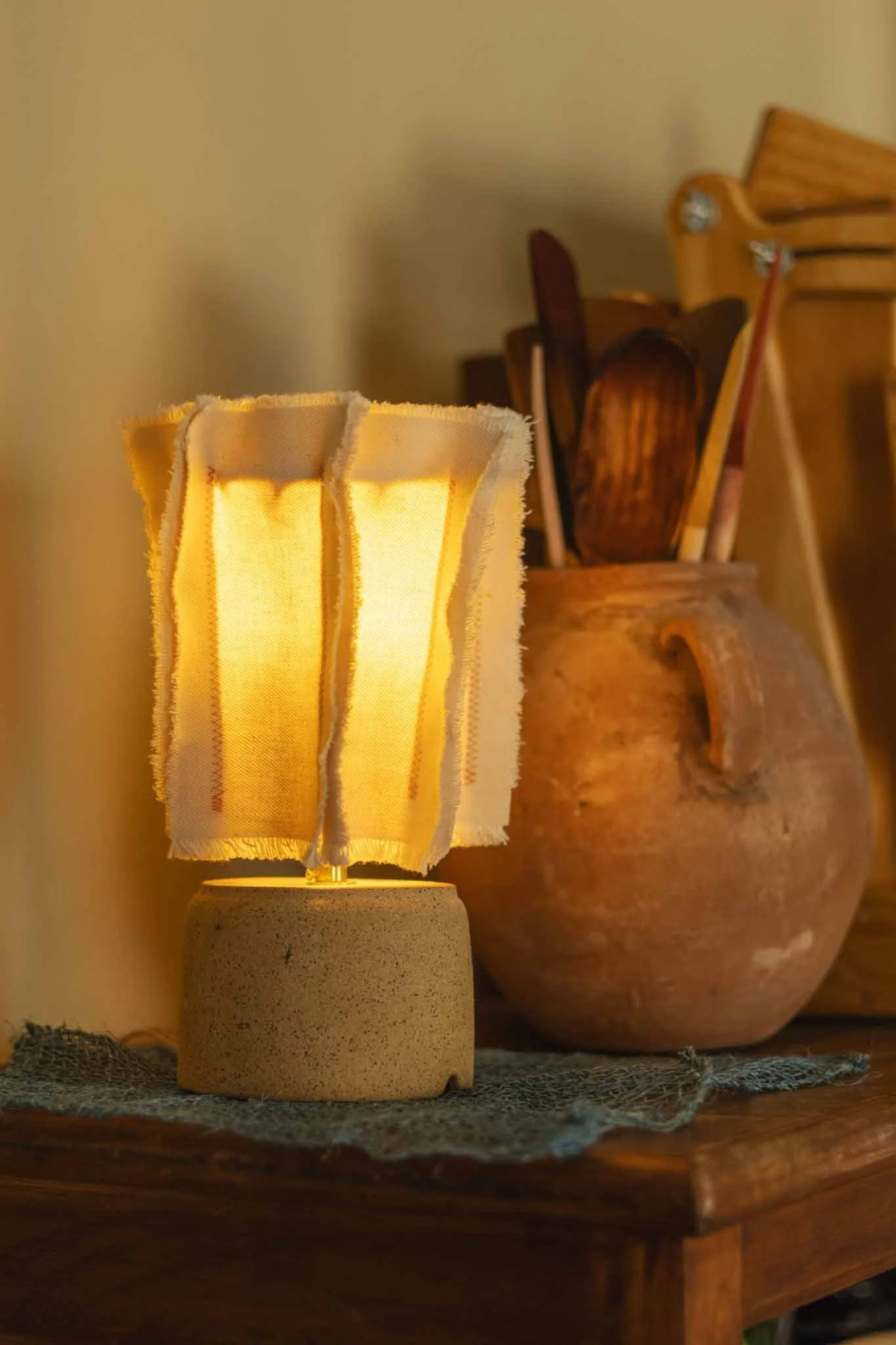
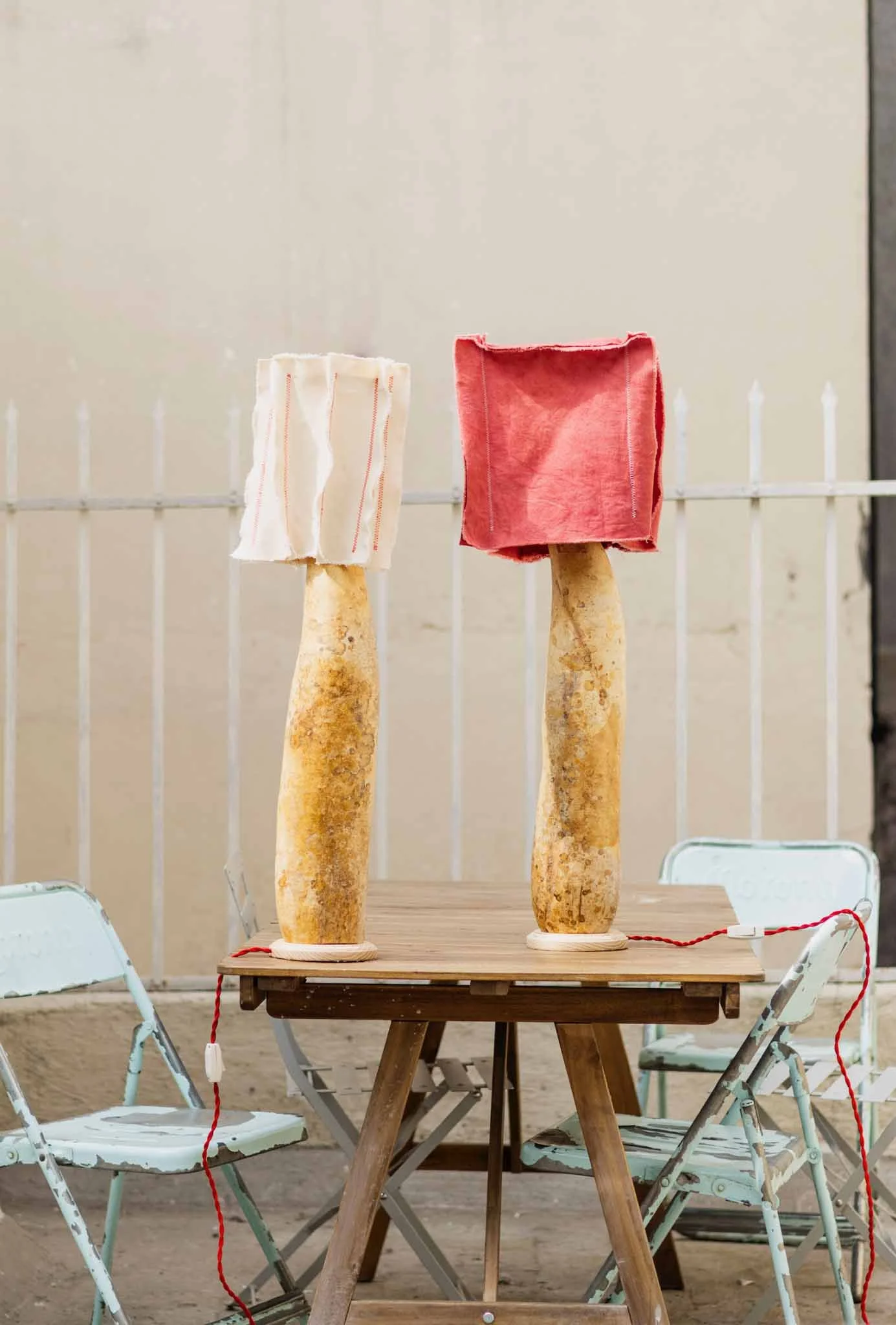
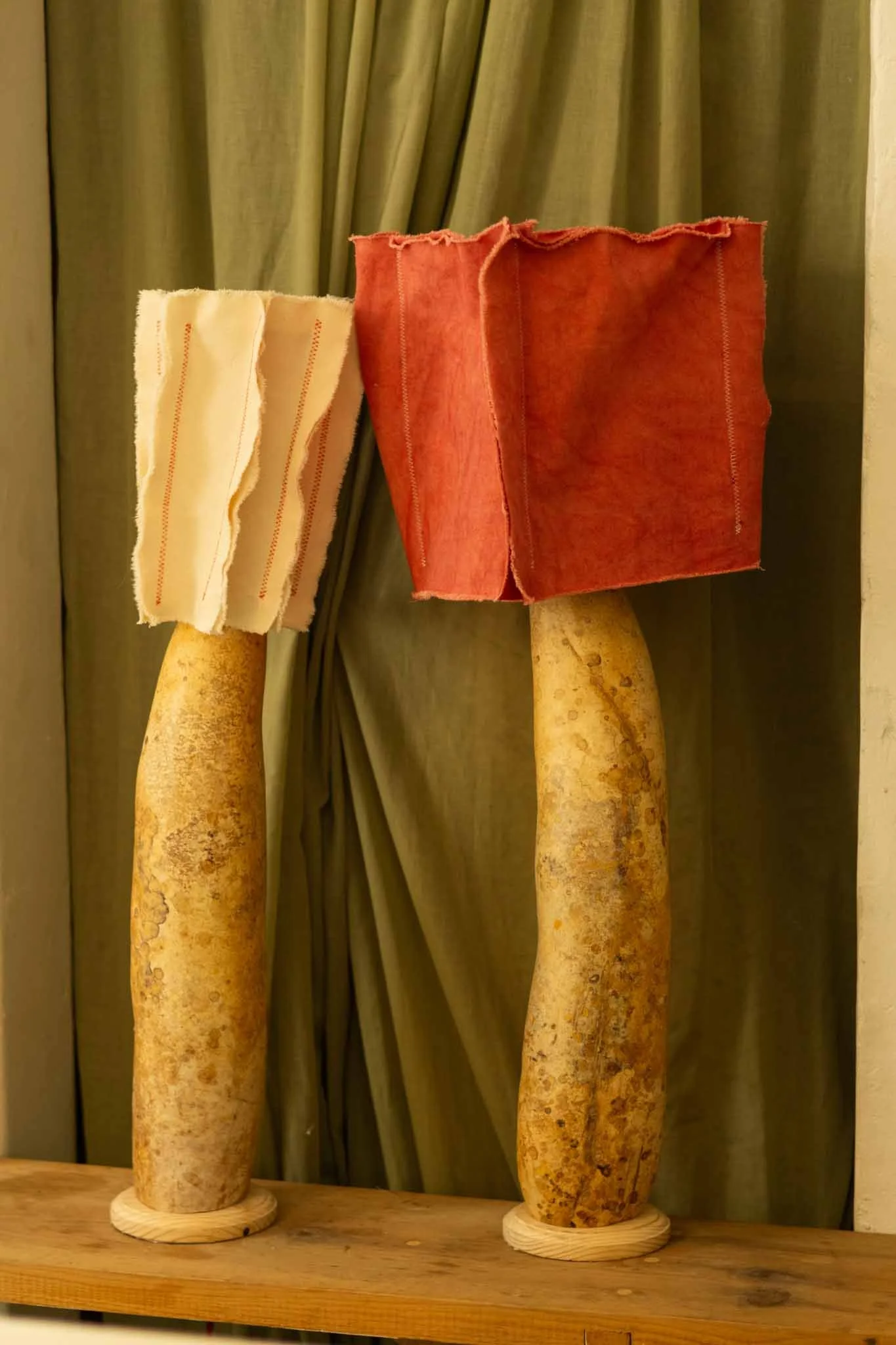
The lamp collection grew out of a fascination with light. I love creating pieces that bring warmth and tactility into a space, quiet objects that feel alive when lit.
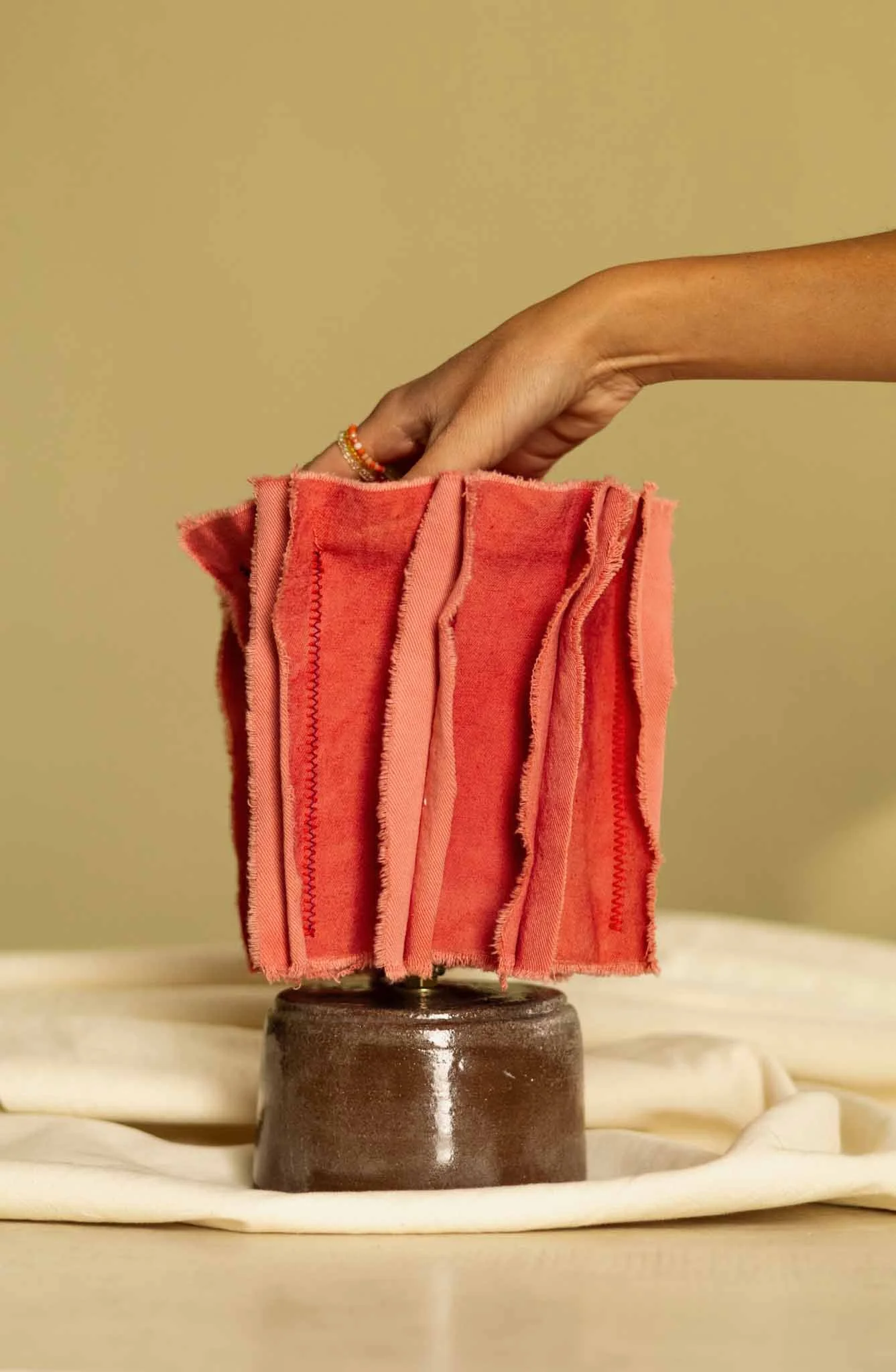
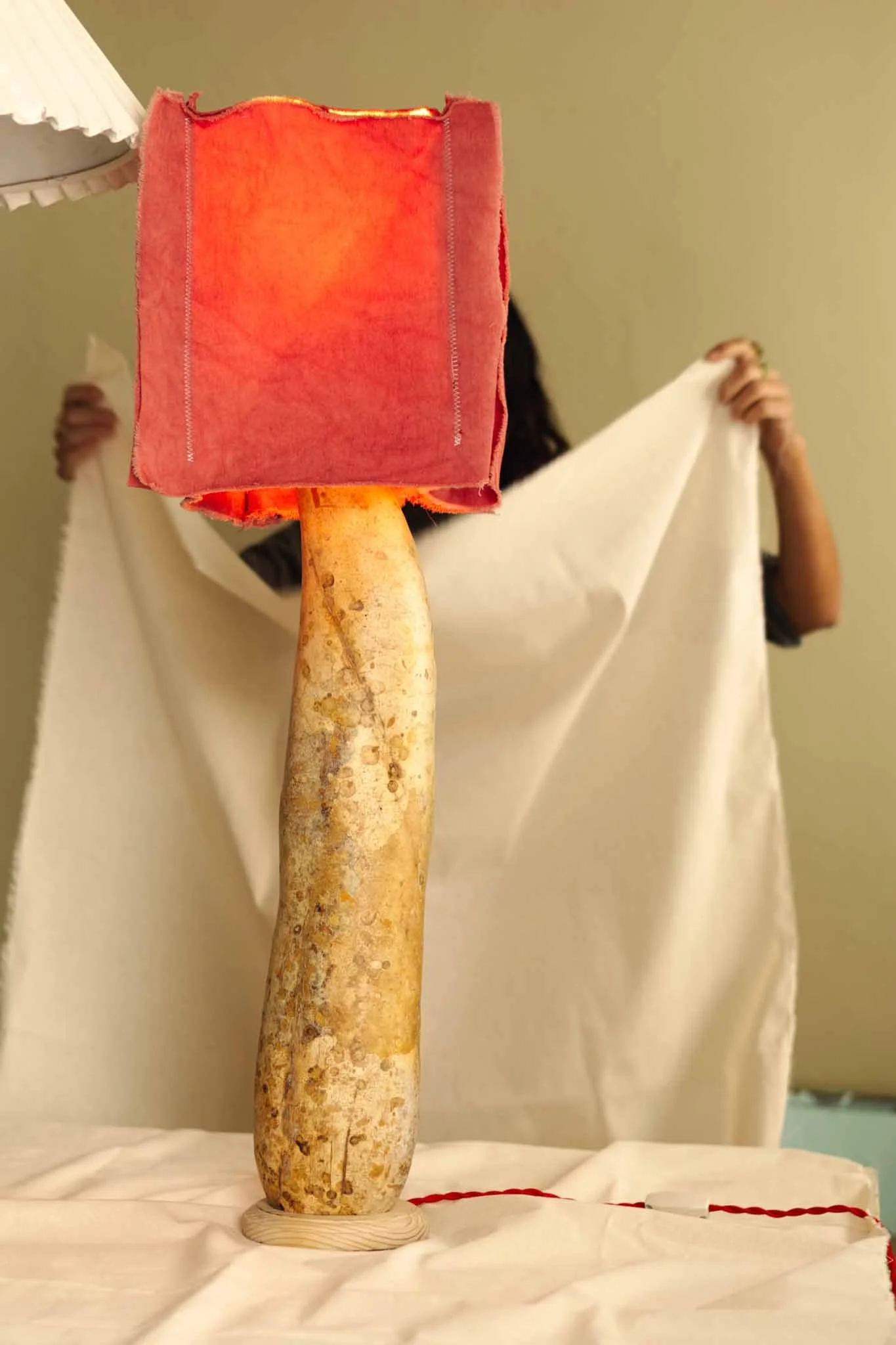
It all started with a collaboration with Clara and Javi at Donde Clara, where we combined wooden and ceramic bases with hand-sewn cotton, plant-dyed textiles, and beeswax, mixing mediums and experimenting with different materials together. It was a period of full experimentation and collaboration. We were working with an architect on a hotel and restaurant project with very tight deadlines, and we often spent days on end sewing, waxing, and testing. It was one of the most inspiring and formative experiences.
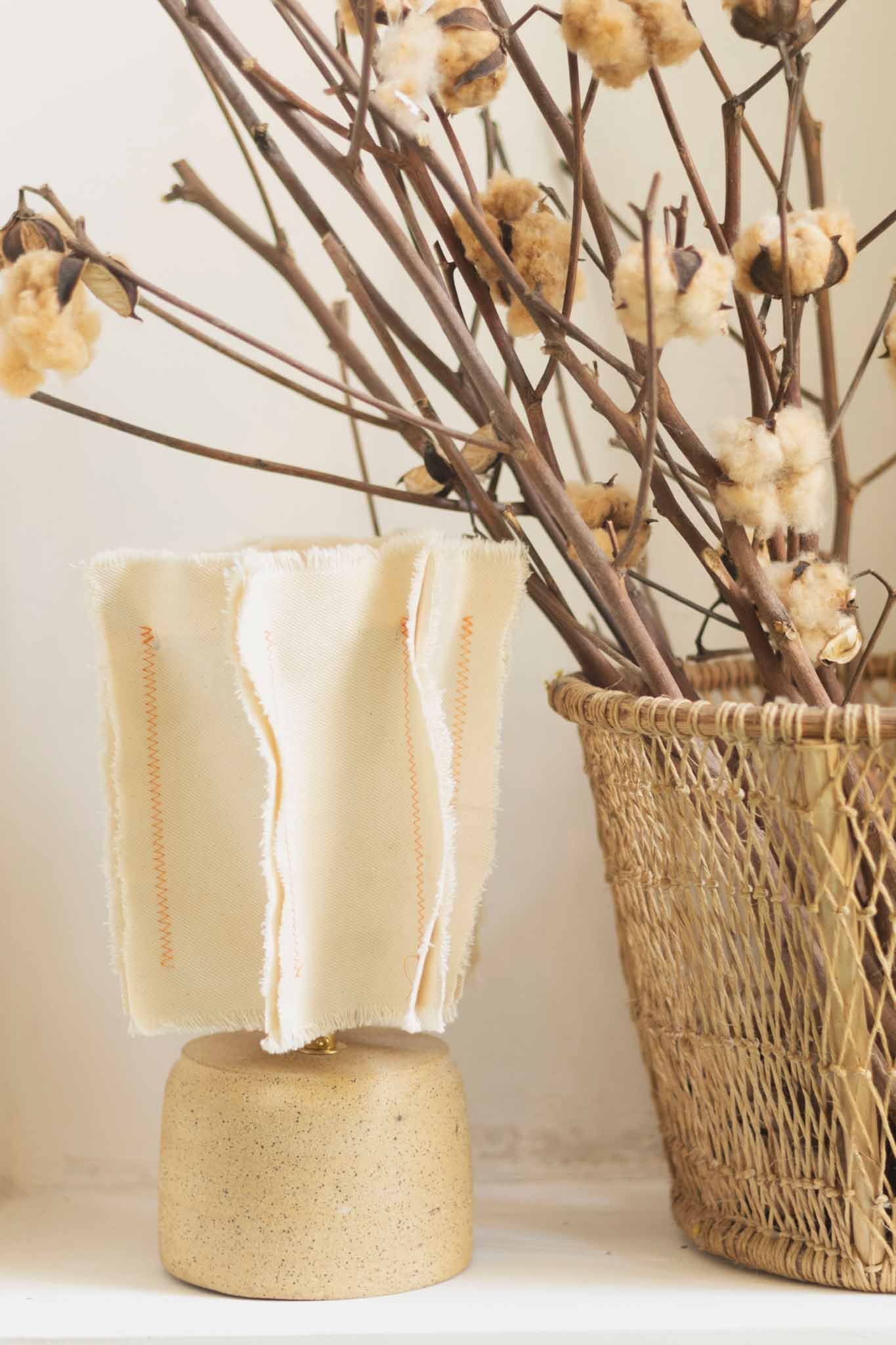
The process is slow and intuitive, testing clay forms, pairing them with different fabrics, experimenting with tone and translucency, allowing me to experiment with textiles, combining different mediums, and exploring the process of creating a functional object from scratch.
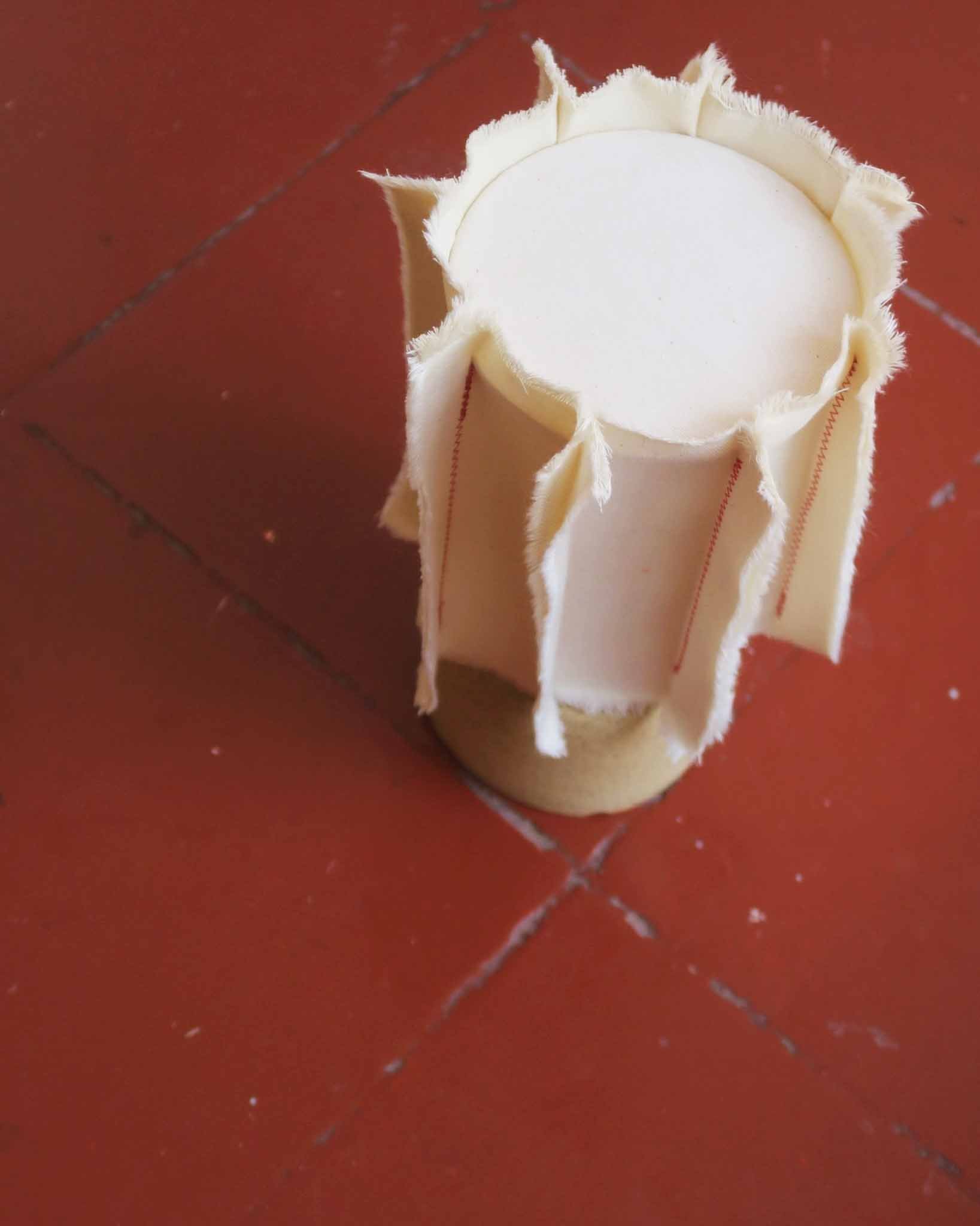
I often use red zigzag stitches as a small gesture to show the handmade seams, the imperfection, the story of how something came together.
Can you walk us through your creative process? Do you have any particular rituals that help you dive into it with greater ease and foster a more natural flow?
My process is guided by rhythm and curiosity. Some days I arrive at the studio wanting to slow down - to hand-build and discover what emerges. Other days I’m drawn to throw on the wheel, following a shape I’ve been sketching or imagining. I let my mood and energy decide the pace, allowing myself to be present and respond to what is drawing me in that particular moment.
When I get to the studio I make a tea, and walk around, observe the pieces in progress, noticing what’s calling for attention, what feels unresolved, I begin there. Some days, especially busy ones, it takes time to find my rhythm. But once I'm in it, time disappears. I love to experiment, mixing clays, testing glazes, and seeing how one decision changes the next.
I often take photos of small details: textures in nature, patterns on buildings or details on textiles. These fragments form a sort of visual archive and inspiration.
How does the physical, tactile nature of your work influence your well-being and connection to your craft?
Working with clay and natural materials has a deeply grounding effect. The physical act of wedging, shaping, dyeing, and stitching connects me to something elemental. It’s meditative, your focus narrows to what’s in your hands, shifts to become fully tactile and the mind and thoughts slow down.
Looking at the contemporary craft landscape, where do you see the greatest opportunities for preserving and reinterpreting important local traditions?
I find there’s a growing appreciation for the value of craft, not only as an object but as a way of thinking and living.
Networks like Crafters of Today play such an important role in connecting makers and sharing their stories. I believe there is so much to learn from traditional craft techniques, connecting us to how things are made, where we come from and the stories that surround us. Reinterpreting and translating them into a contemporary language that feels relevant to how we live today.
Are there any new projects, themes, or directions you are currently exploring that feel particularly connected to your practice?
I’m continuing to develop my lamp collection — expanding the dialogue between clay, textiles and glass, experimenting with new shapes, materials and textures.
How can people engage more closely with your work, whether through your pieces, exhibitions, or online presence?
I share my work and studio process on Instagram (@swei___things) and will be updating it more regularly with new collections and events.
I’d love to host a studio visit, where people can meet the different makers at the shared studio I work from and see all the different tools and materials, and get a sense of how things are made.
Photos belong to Benedetta

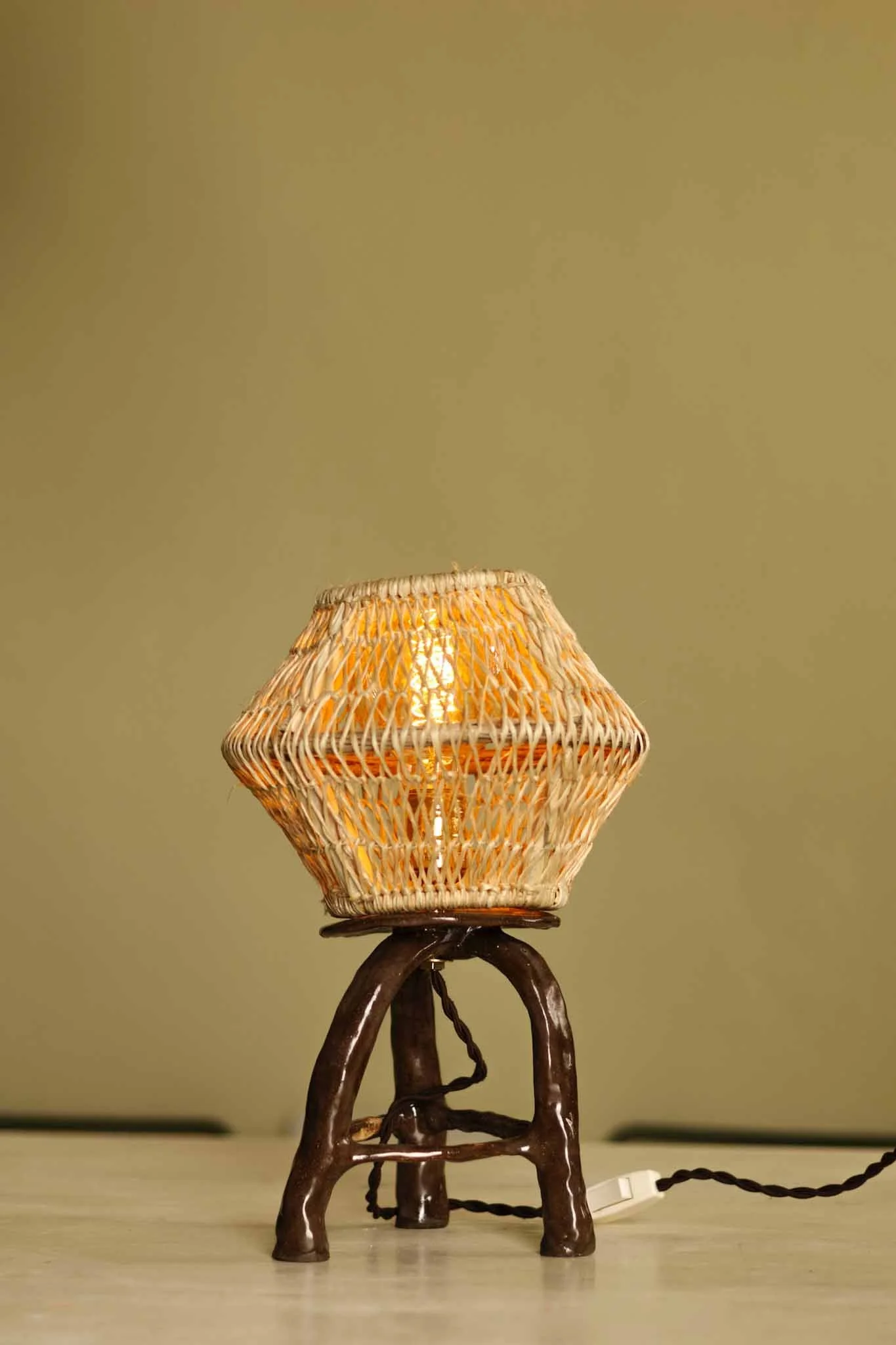
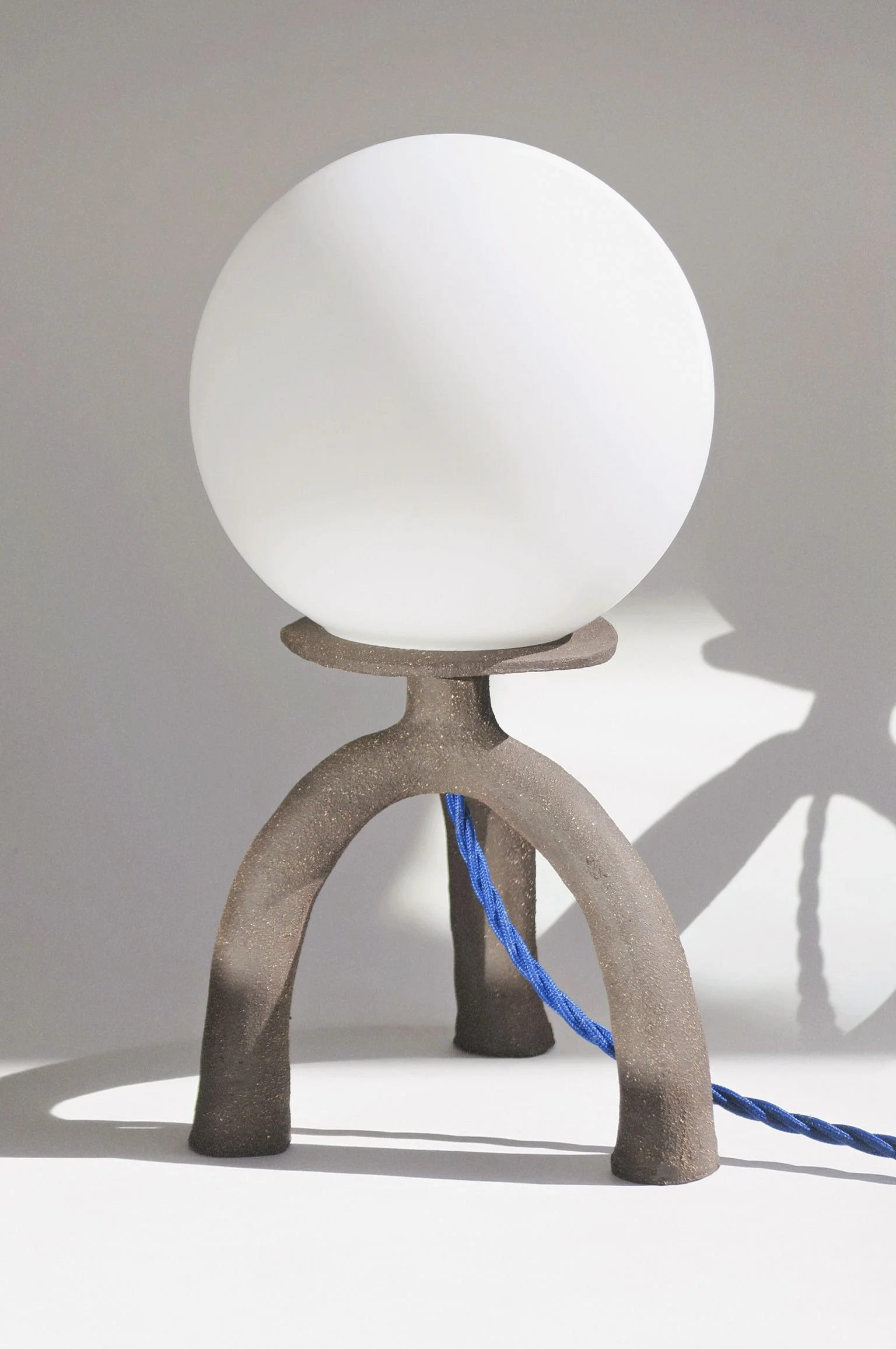
The Bicho Lamp features a three legged black lava stoneware base supporting a spherical glass shade. Its form explores the relationship between sculpture and everyday function. Made to order.
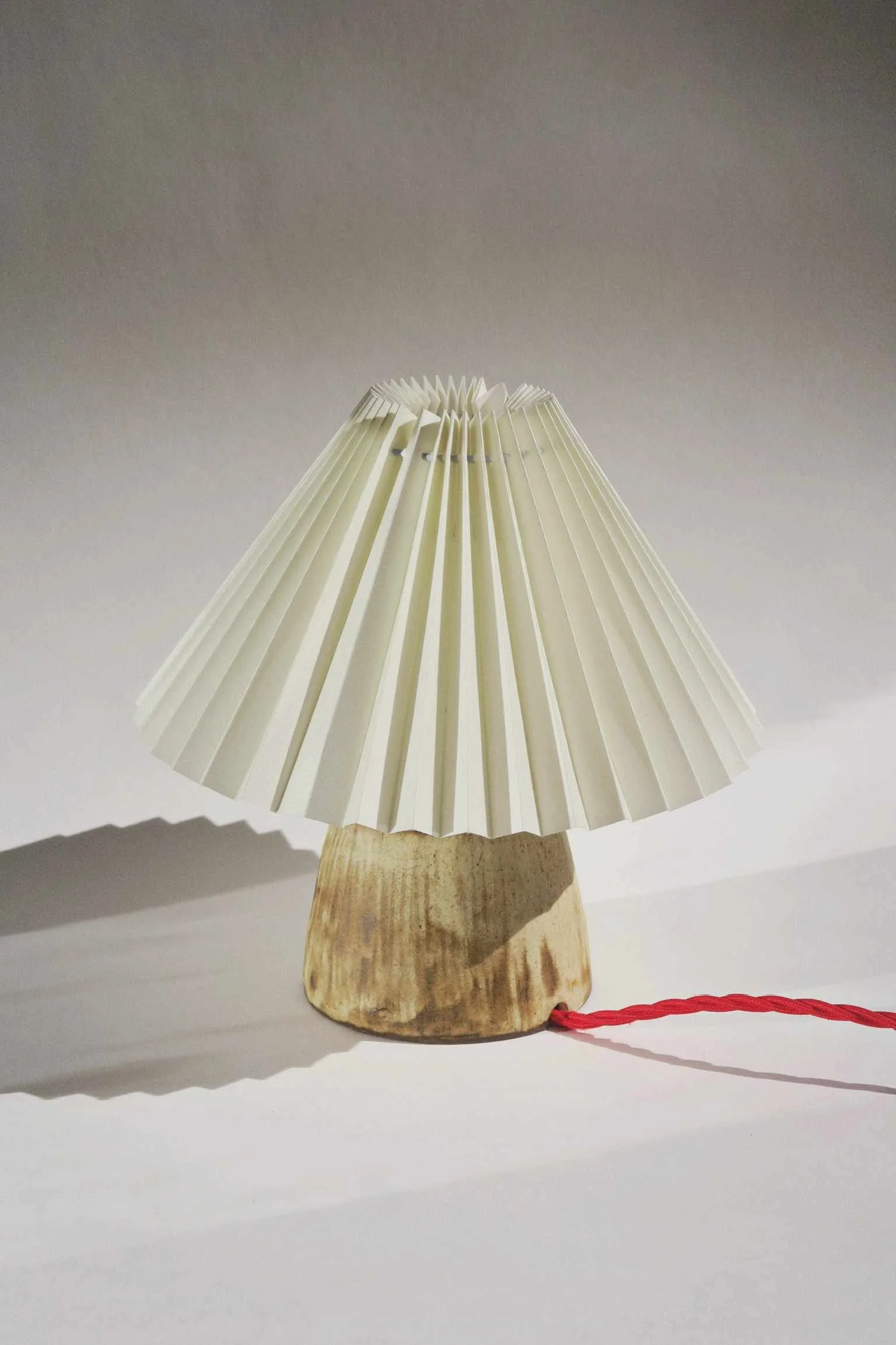
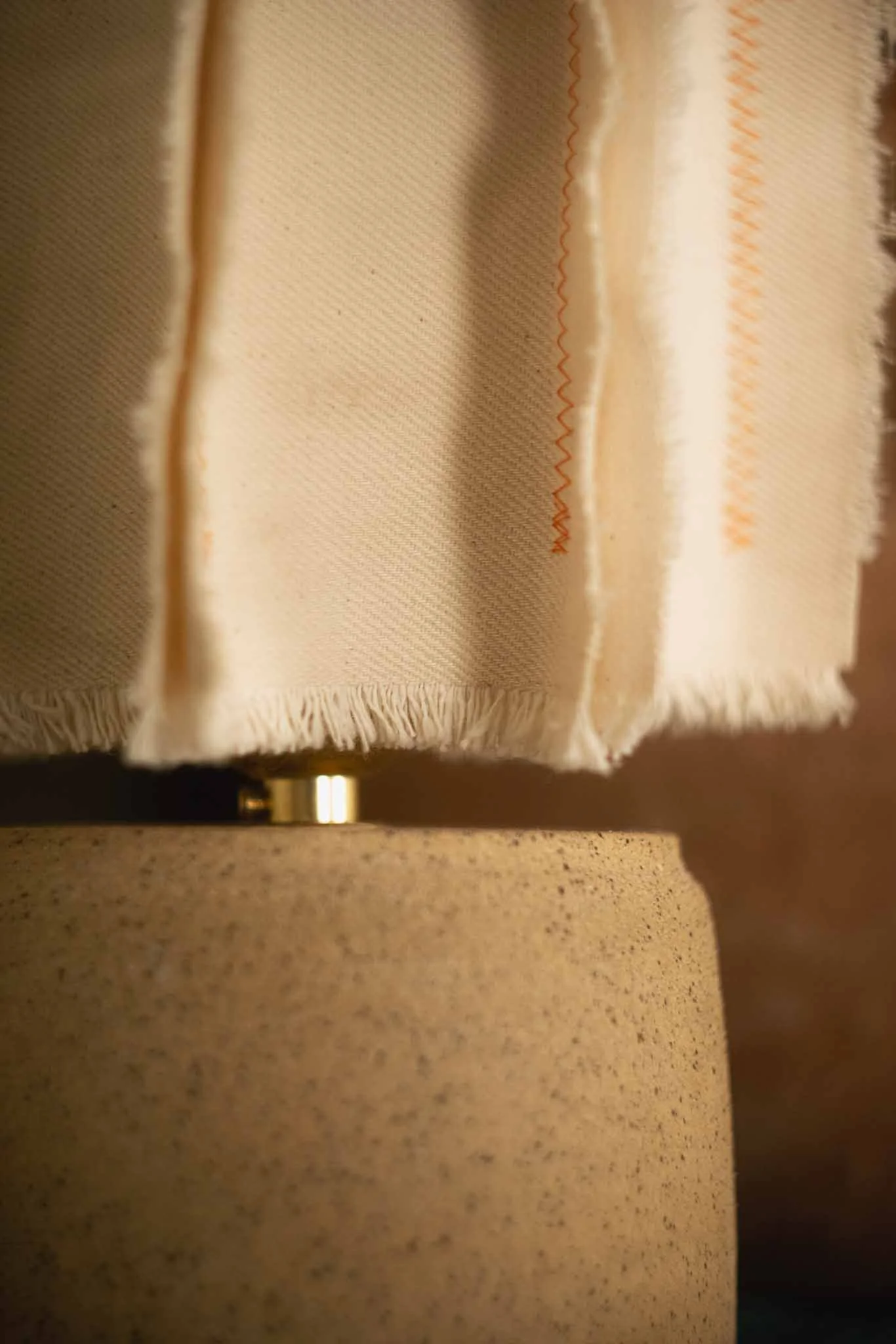
Made by Benedetta Ficarelli in Hackney London the Lumea Lamp 1 pairs an oat glazed stoneware base with a pleated lampshade. A one of a kind piece with a clear functional presence. Made to order.
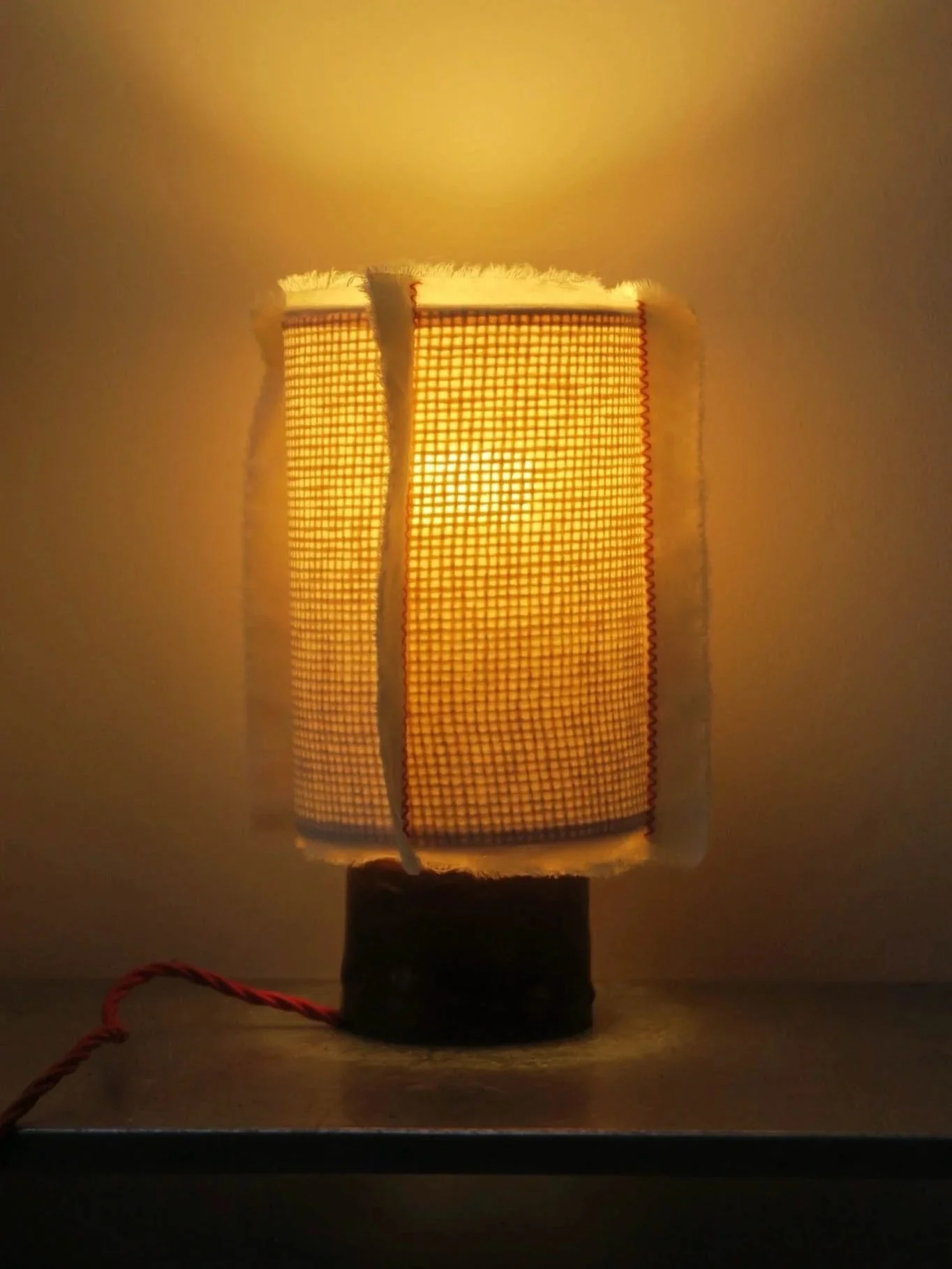
Made by Benedetta Ficarelli in Hackney London the Trama Lamp is crafted in keuper red stoneware with a checkered rattan base that introduces a clear structural rhythm. The hand sewn natural cotton lampshade adds a simple steady light that complements the woven foundation. Made to order.
