Jessica Tremaine
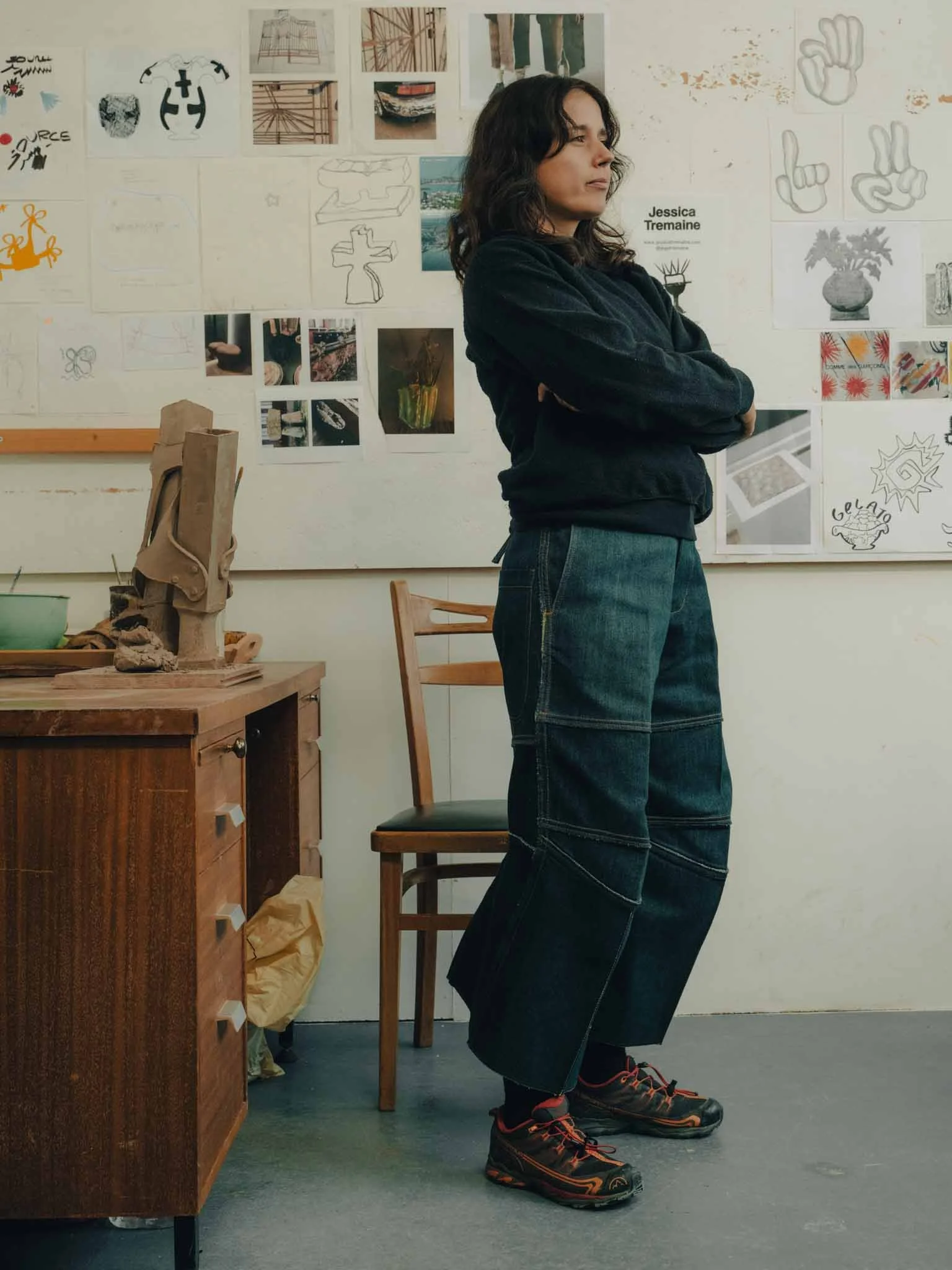
Please share a bit about yourself and your background.
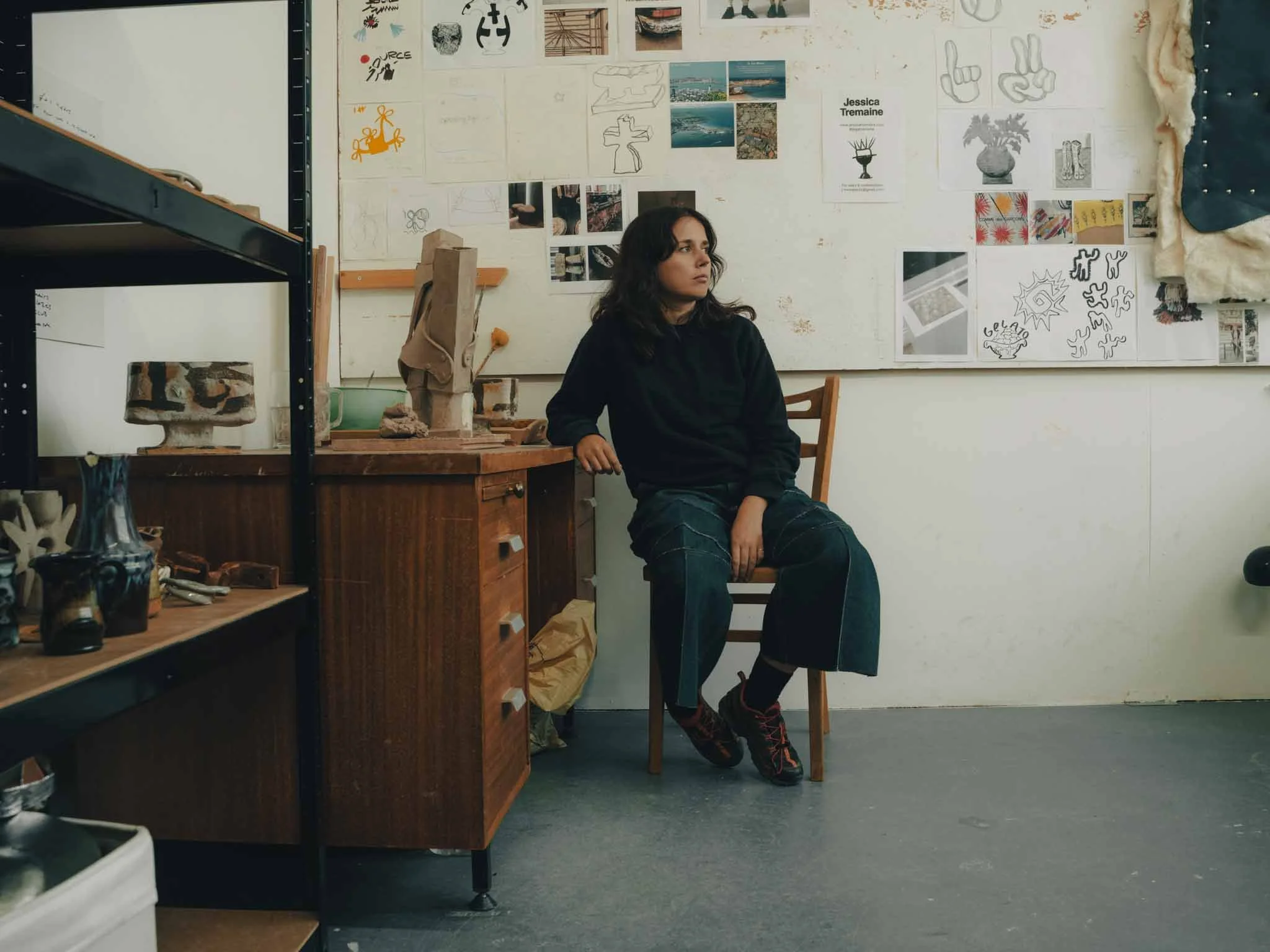
I am a Cornish artist based in Penzance, U.K. Having spent many years working as a designer for studios such as Martine Rose in London and BLESS in Paris, I turned to ceramics as a preferred medium of storytelling.
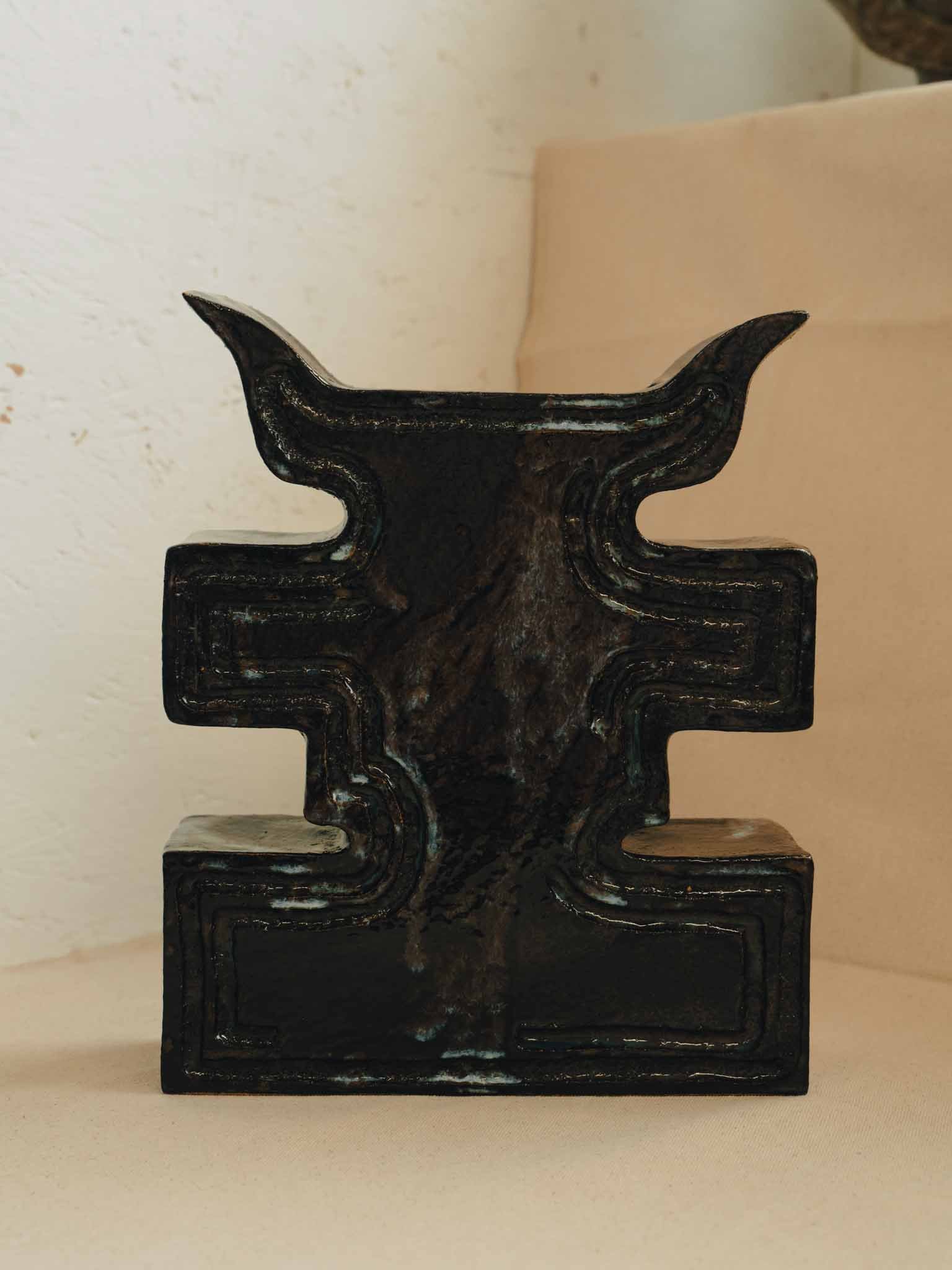
My work encompasses historical elements of human spirituality as well as more recent industrial influences. I’m concerned with the loss of traditions surrounding community gatherings, celebrations and ceremonies. Aesthetically the work appears heavy and tough, borrowing and distorting symbols that are often combined with suggestions of functional metalwork.
Looking back at your foundation in fashion design, how do you think that experience shapes the way you approach ceramics today?
During my fashion career, I learnt how to tell a story through a 3D art form and how to interrogate those forms to create meaning and balance. Some ideas work and become stronger with repetition, whilst others should be a moment. It isn’t only aesthetic skills that I put to work; I regularly utilise pattern making combined with flowing coil building.
What first drew you to ceramics, and how did this medium become central to your creative expression?
I wanted to find a space where I didn't have to compromise my personal creative expression in any way. Making with clay felt somewhat innate, and I love that the medium hasn’t changed much in thousands of years.
Working with clay can lead to unexpected results. How do you build a balanced relationship with this material and let go of what you expect?
Some works are fed by research, whereas others are technical experiments; however, both tend to produce the same impact, as I don’t think it’s that easy to get away from yourself.
Being an artist with clay as their main medium teaches you a lot of transferable life lessons when managing your emotions. You could spend a whole week working on a piece, and then it cracks in the kiln. In contrast, you can make a work that you hate but glaze anyway, and it comes out of the kiln looking amazing, so it really teaches you to persevere.
Your work reflects a concern for the loss of communal traditions. In what ways do you preserve, reinterpret, or spark a conversation about these traditions through your ceramics?
I like to think that my work would look equally at home at a family dinner as it would at a funeral. Many of the symbols and shapes I use in my work are from my surroundings in Cornwall and connect with communal acts; these can come from neolithic burial sites, shipping yards, and disused churches. They seem to filter through my subconscious and find their way onto my work in some distortion. Most of my work is functional but sculptural and often heavy, meaning you have to engage with the object more when you use it, bringing more focus on the day-to-day experience of arranging flowers or displaying food, for example.
Looking at the contemporary craft landscape, where do you see the greatest opportunities for preserving and reinterpreting important local traditions?
I may be in a bubble, but as the objects we use and display become more homogenised, a protest emerges in response, allowing the wonder of the handcrafted to flourish. Local art markets are on the rise, as is the folklore renaissance, creating more opportunities for communities to come together to create and entertain.
Are there any new projects, themes, or directions you are currently exploring that feel particularly connected to your practice?
Next year, I will be refining my permanent collection, and for exhibition-based work, I’ve begun exploring themes around trophies. More research needs to be done, but I'm motivated to explore now that I’ve settled in my new studio. The studio is minutes away from the sea, and no doubt the stormy days will prove inspiring.
How can people engage more closely with your work, whether through your pieces, exhibitions, or online presence?
I have an exhibition until Friday 21st November at The Crypt Gallery in St.Ives, Cornwall, U.K. They can sign up for my newsletter on my website, where I send updates for upcoming exhibitions and new work releases.
Photo [1, 5 ] by Martin Eito
The rest of photos belong to Jessica.
@jegatremaine, www.jessicatremaine.com.
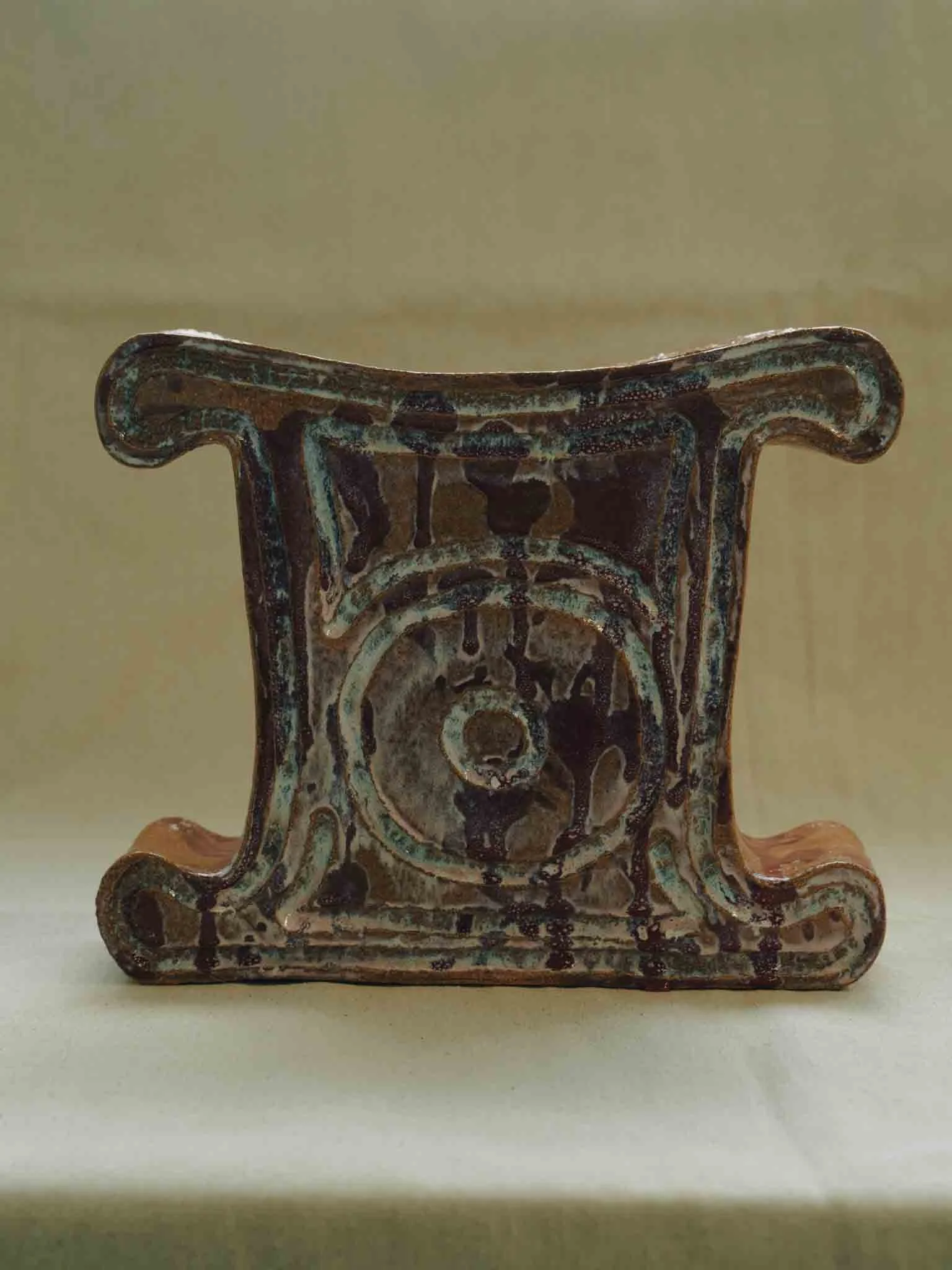
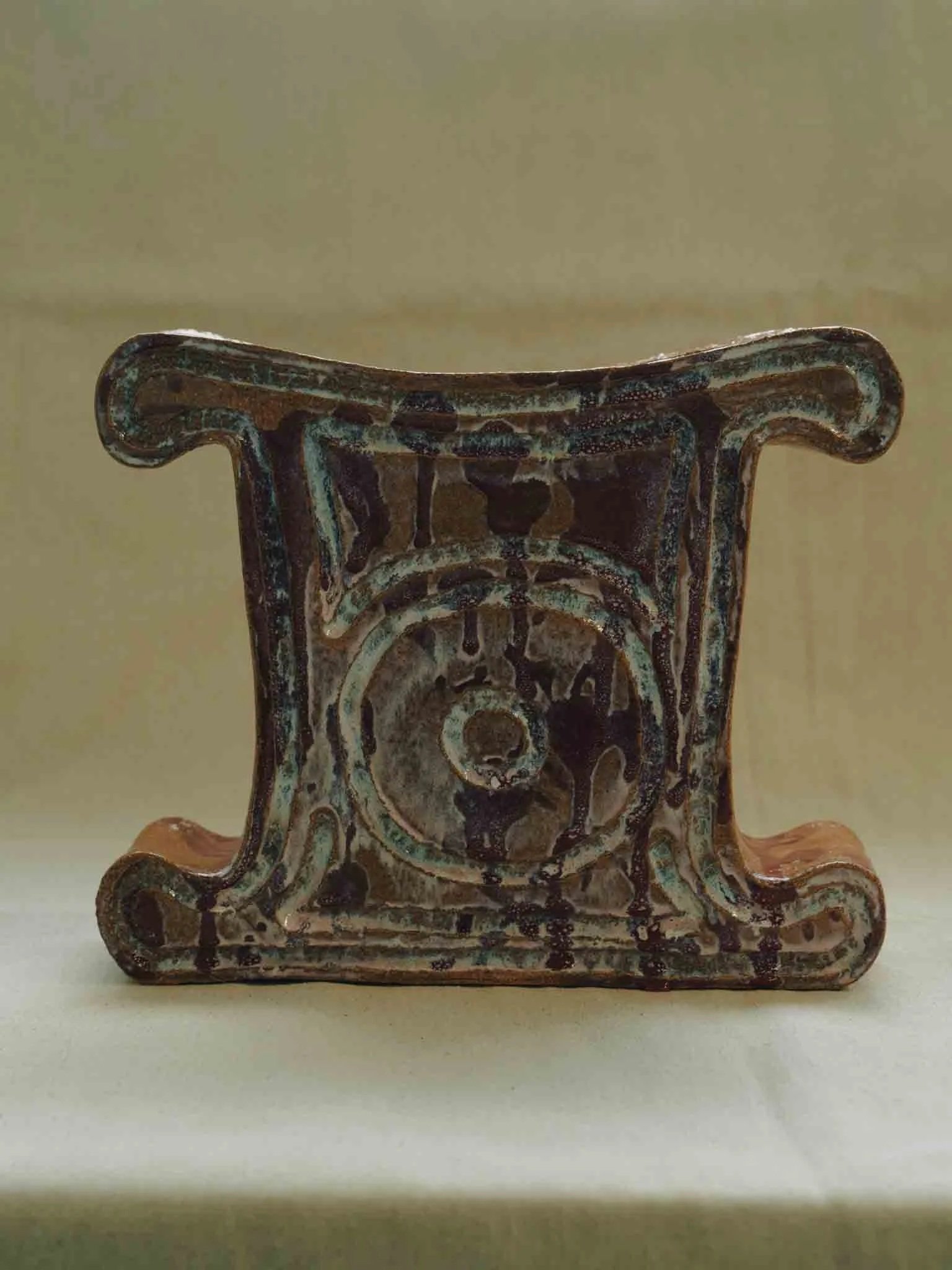
Hand built in stoneware the Stained Altar Vase is made by Jessica Tremaine in Penzance in the UK. Finished with a soft red glaze and defined by a structured symmetrical form the piece sits between vessel and sculptural object. It can be displayed on its own as an art piece or used as a vase.
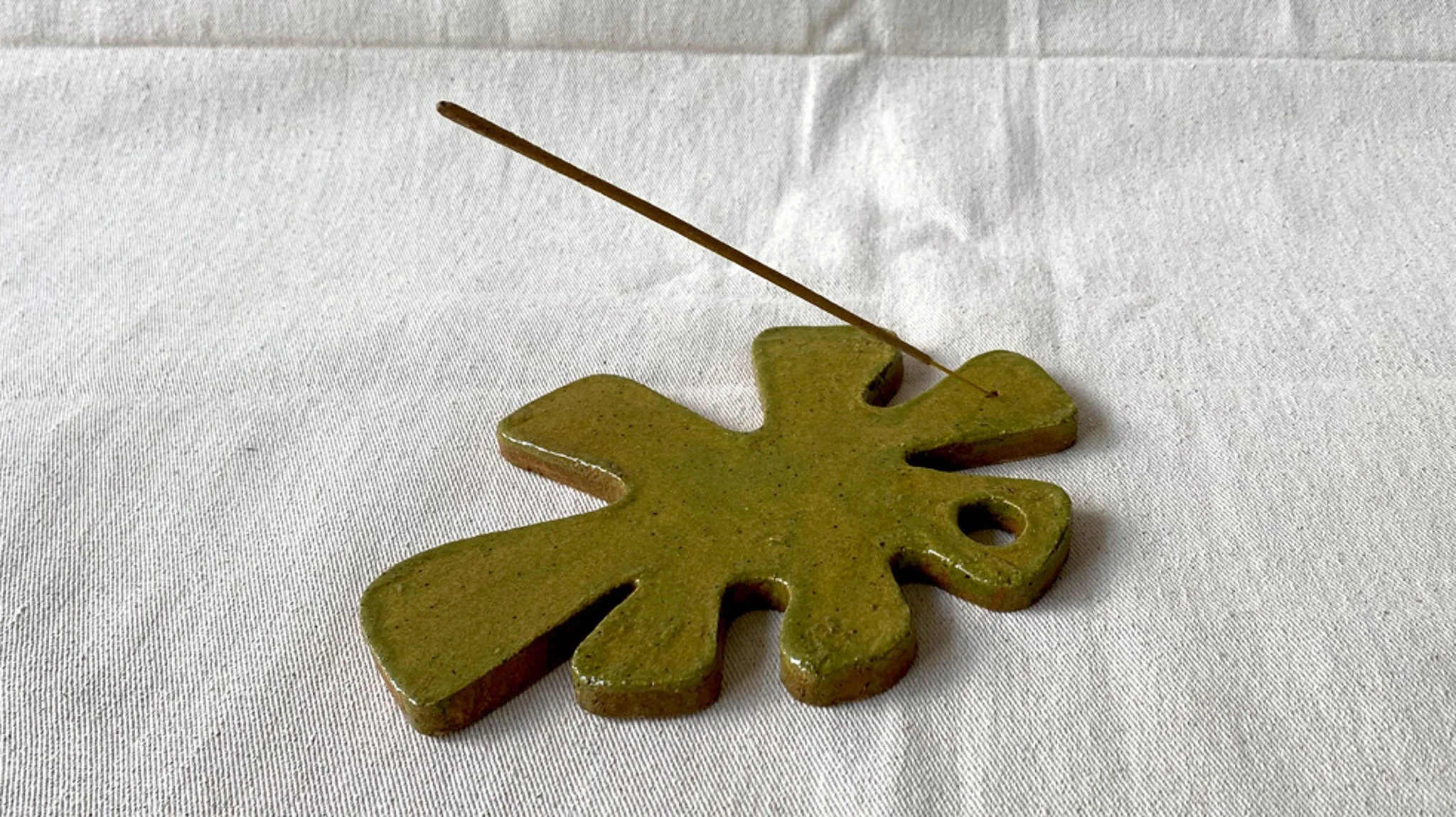
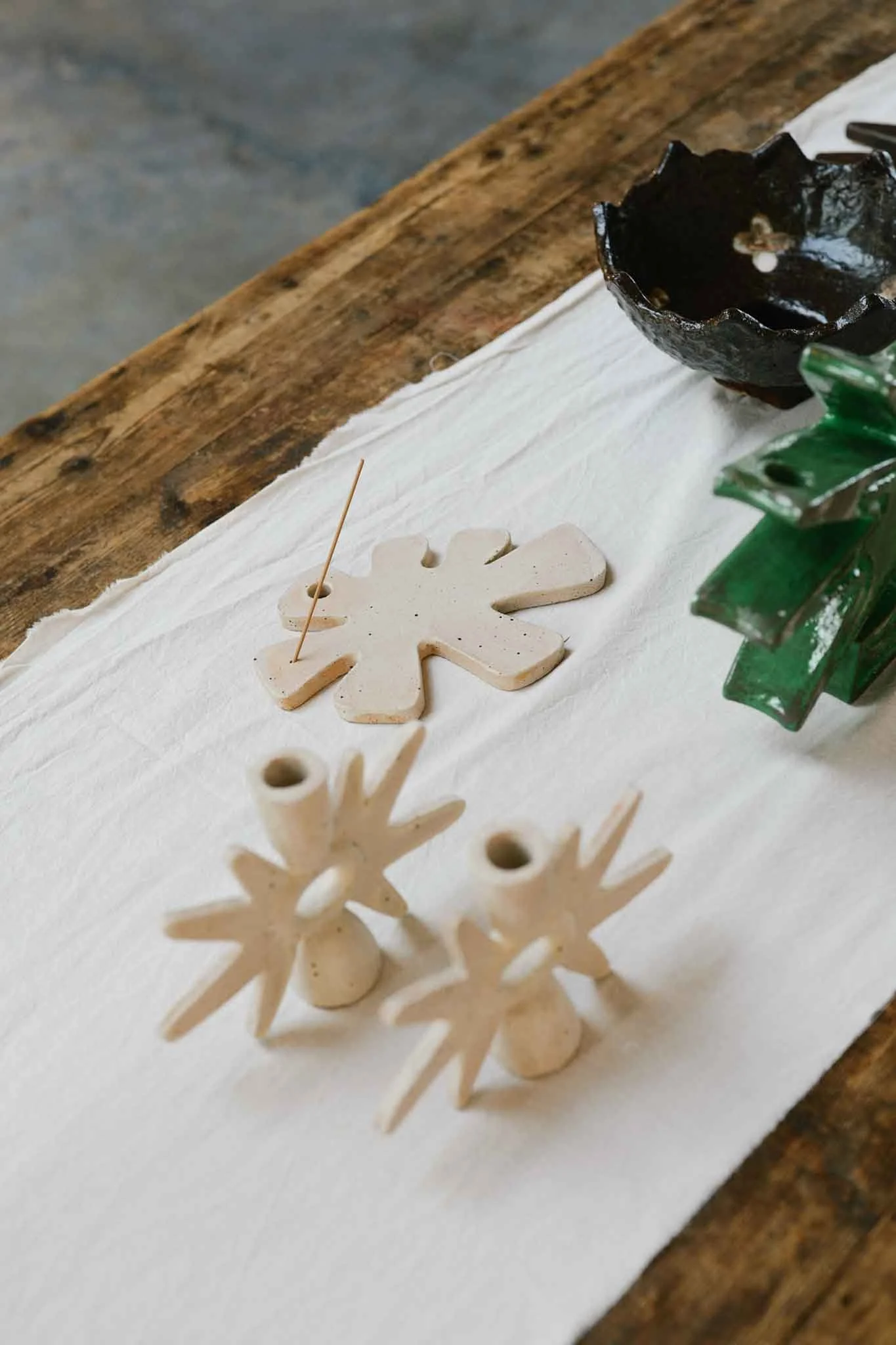
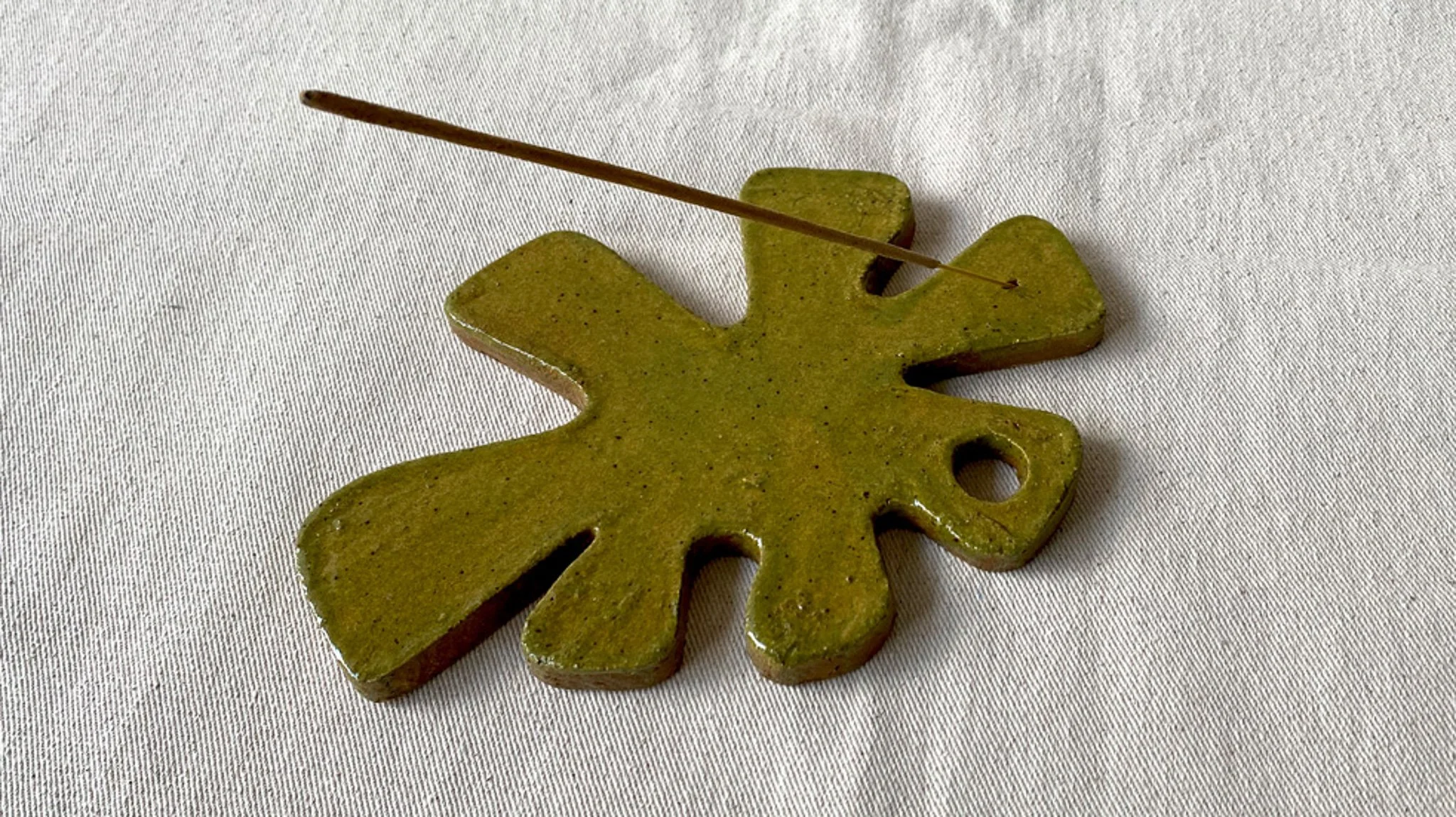
Hand built in stoneware the Oolong Incense Holder is made by Jessica Tremaine in Penzance in the UK. Shaped with an open organic form and finished with an oolong glaze the piece reflects her interest in ritual use and symbolic objects. Designed for functional purpose while remaining sculptural in presence. Made to order.
