Lou Thomas
Please share a bit about yourself and your background.
My name is Lou Thomas, and I am a French ceramic artist based in Marseille. Originally from Lyon, I graduated from a communication school specialized in fashion and design in Paris and New York.
My connection to clay began at a very young age, when I took pottery classes as a child. Over the years, this passion quietly accompanied me. It was during a trip to Japan in 2017 that I renewed my love for clay and discovered the poetry of Japanese craftsmanship. From that moment on, ceramics became essential in my life. In 2019, I made the decision to dedicate myself entirely to my artistic practice and founded Simoneloo Ceramics. Since then, I have been so lucky to travel and learn from artisans in Mexico, Morocco, and beyond, exploring different clays, textures, and techniques. Today, I work in my studio in Marseille, creating pieces inspired by my memories.
What was the early motivation to express your creativity through ceramics?
My motivation started very early. As a child, I loved getting my hands into clay. This simple, tactile act of shaping and transforming material has always fascinated me. Over time, traveling and discovering traditional crafts deeply nourished my desire to create with my hands. Ceramics became the perfect medium for me to express creativity, combining spontaneity, technique, and a direct connection with the material. It allows me to tell stories, explore forms and textures, and stay true to the authenticity of the artisanal gesture.
How have the landscapes, traditions, and cultural heritage of your upbringing influenced your work?
The landscapes, traditions, and cultural heritage of my childhood have had a profound influence on my work. Growing up, I had the opportunity to travel a lot, especially throughout Southeast Asia, where vibrant markets, local artisans, and rich handicraft traditions shaped my early sensitivity. These experiences awakened my curiosity and taught me to observe the world through the simplicity of everyday life.
I’m also grateful to my parents for inspiring my artistic eye and imagination. My father, a marine biologist specializing in aquarium fish, passed on to me his passion for the marine world, which has become an integral part of my work. My mother, who is passionate about decoration and design, taught me to appreciate objects and understand what makes something truly beautiful. Her sense of beauty has deeply influenced the way I create today.
How did Simone Loo Ceramics come to life, and what does the journey of building it look like for you now?
Simoneloo Ceramics was born from my passion for clay and my desire to create with my hands. My goal was to bring my ideas to life while exploring different ancient techniques, inspired by my travels and meetings with artisans around the world. Through my creations, I try to explore texture and organic shapes, while embracing the sensitivity and imperfections of handmade objects. My work is guided by a desire to create pieces that are both functional and sculptural, intimate objects that carry the memory of the hand that shaped them.
Today, Simone Loo Ceramics is both a journey of creation and experimentation. I am fortunate to have a studio in Marseille, where I explore new forms and materials and develop collaborations, especially with chefs and restaurants. Each step of the development balances personal exploration, the transmission of skills, and the creation of unique pieces, all while staying true to the authenticity of craftsmanship and the spirit of the project.
My partner Richard, who is a filmmaker, produces all the videos for my projects. He inspires me and plays a huge role in supporting my research and artistic development.
Could you walk us through your creative process, from the first spark of inspiration to the making of a piece, and share what part of it excites you the most?
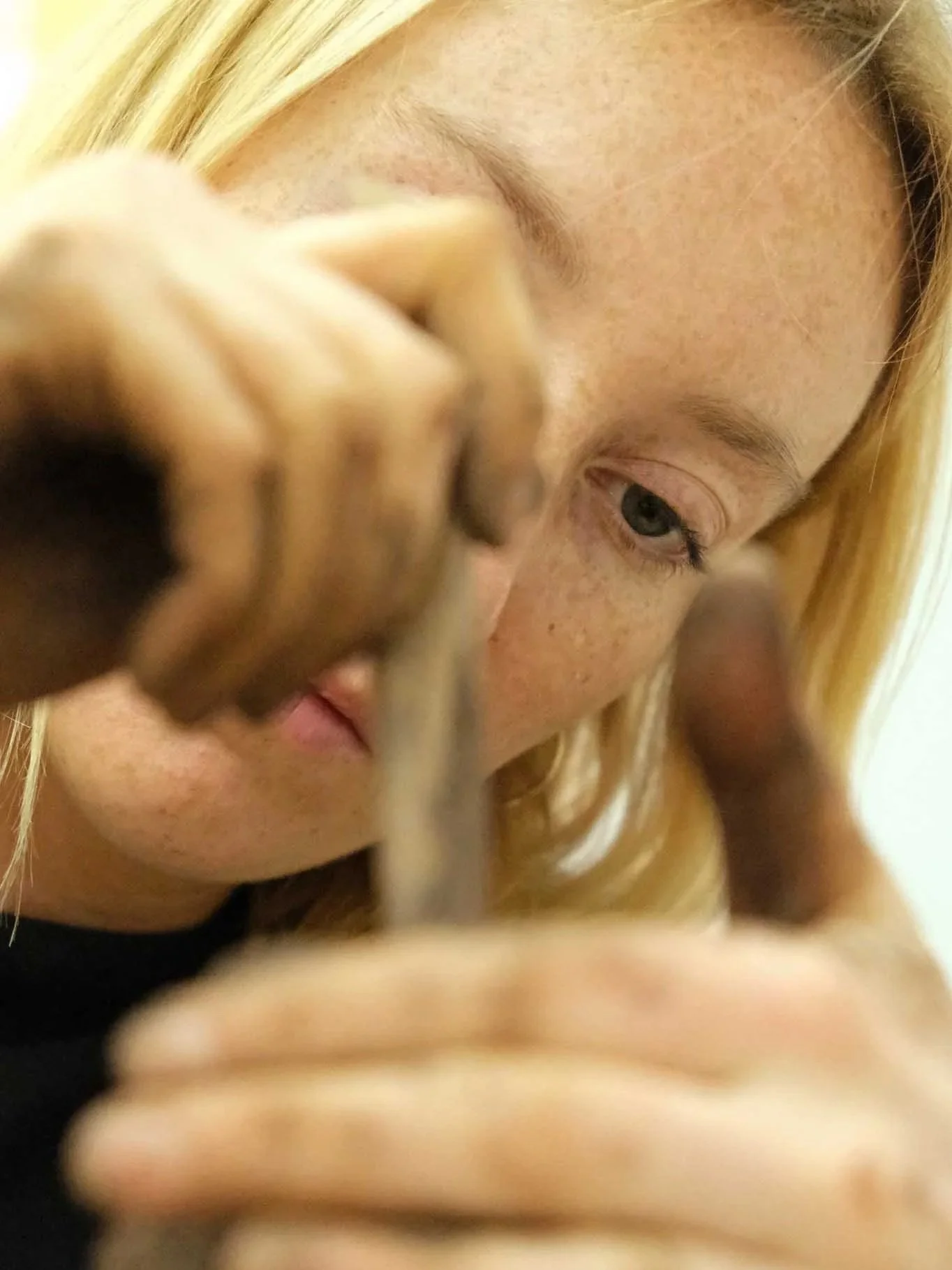
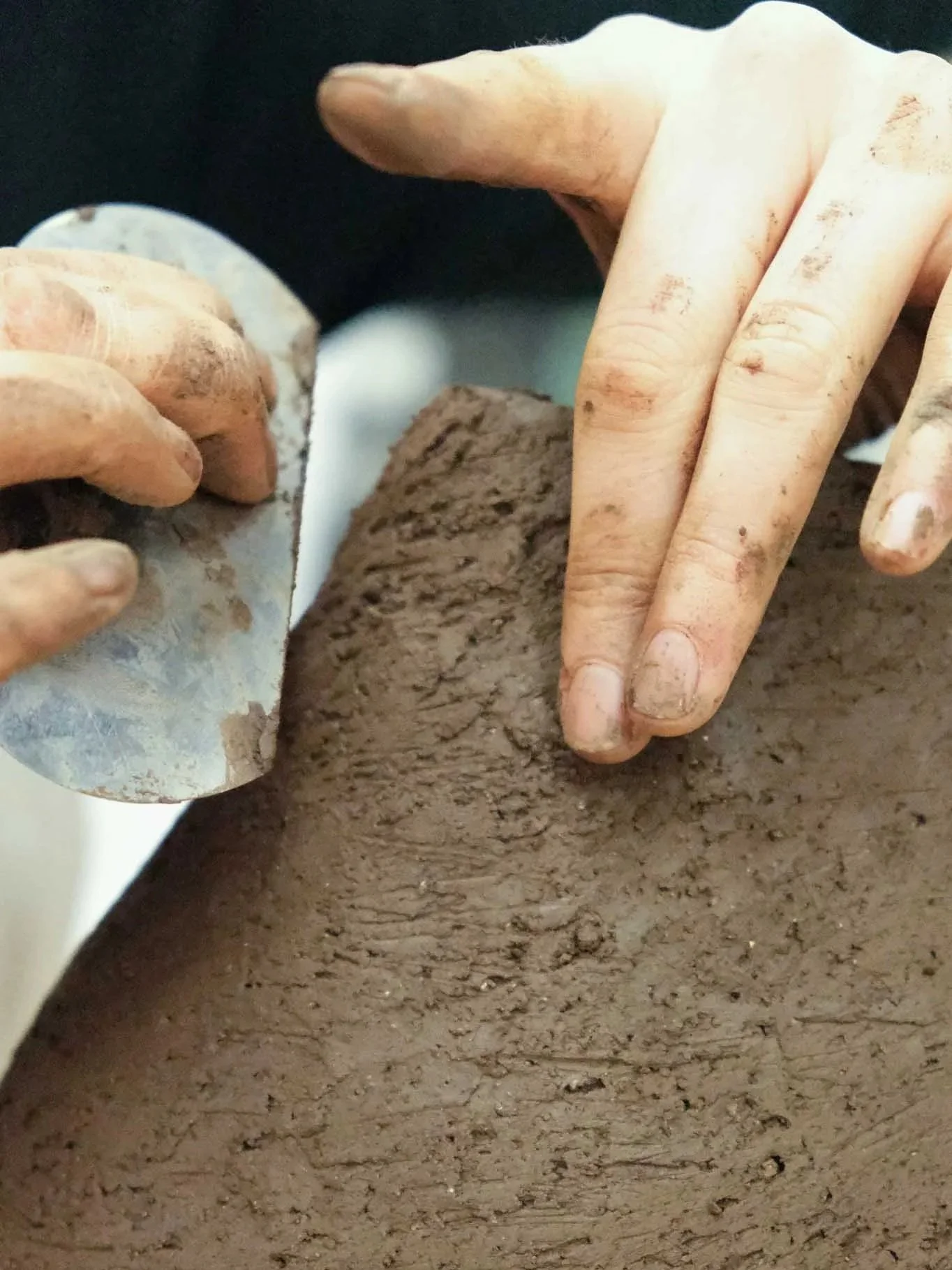
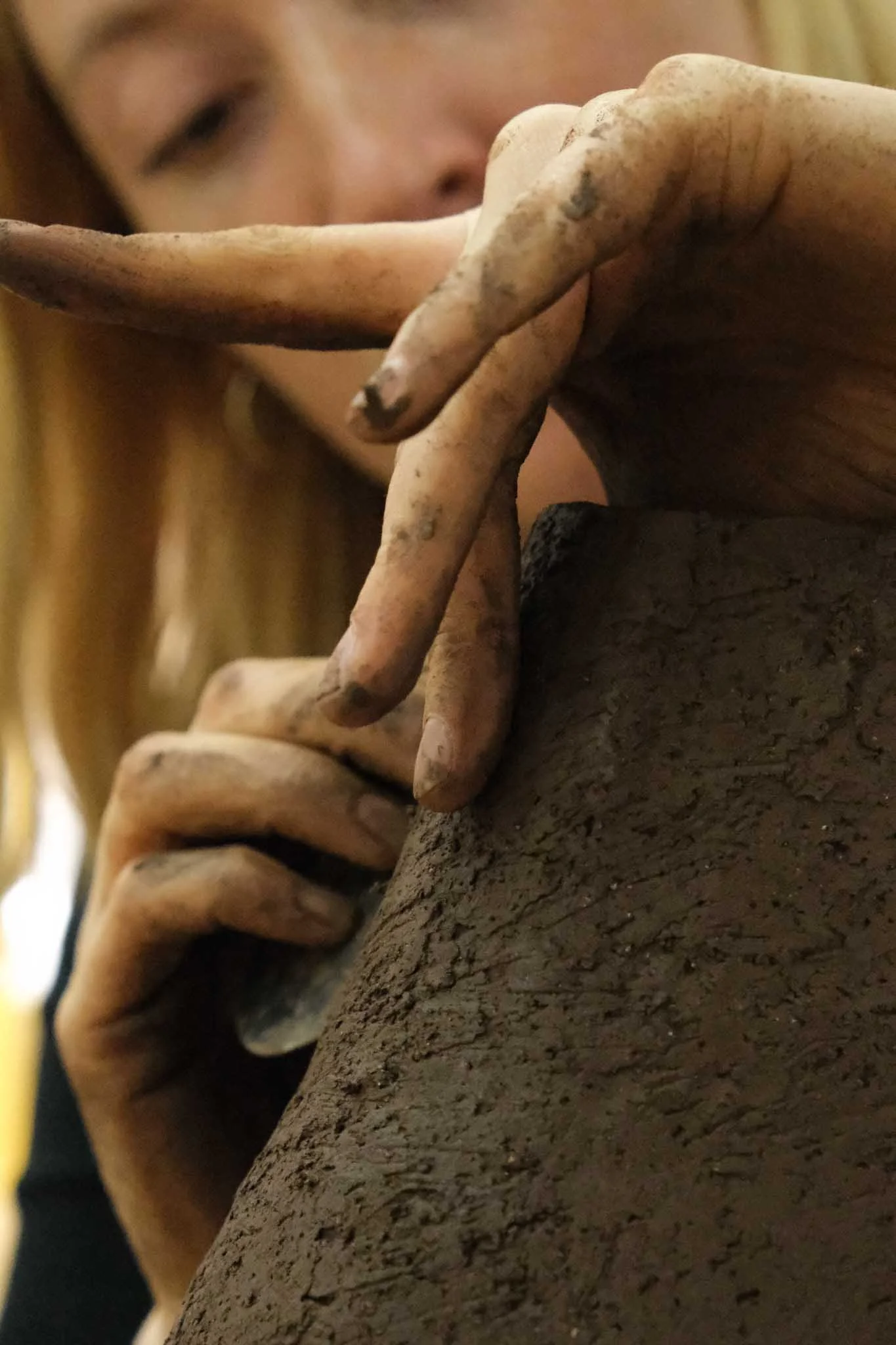
My creative process always begins with inspiration, which can come from a souvenir, a shape, a texture, or even a simple object. Once the idea is in my mind, I enter an experimental phase: testing shapes, techniques, clays, exploring the material and its possibilities. This is a highly intuitive moment, guided by touch, sensation, and the imperfections of the clay. Next, I choose which pieces to shape, whether it’s a simple plate or a more sophisticated piece. I place great importance on the texture and raw character of each piece, as this is what creates the connection between the object and the person holding it.
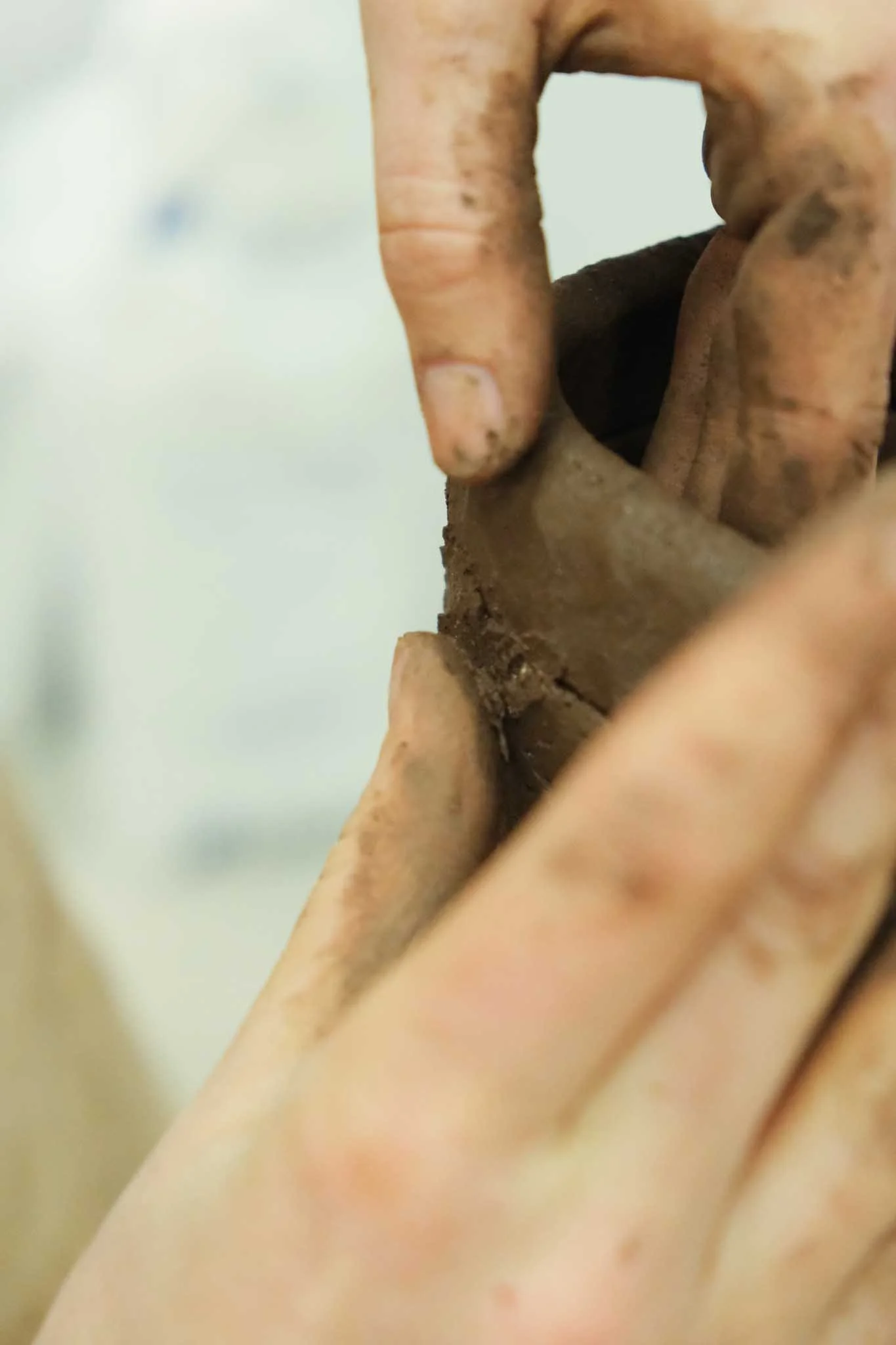
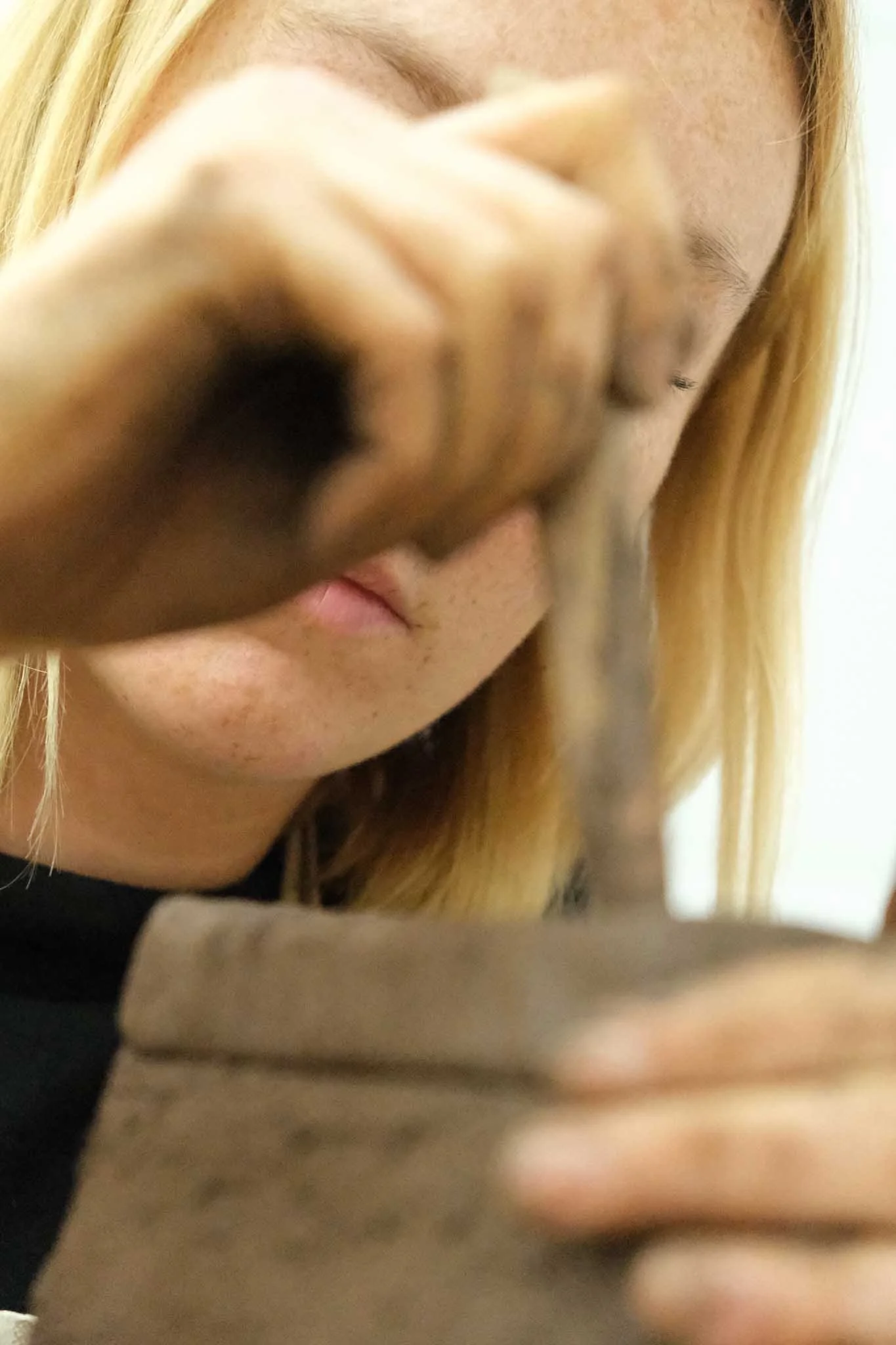
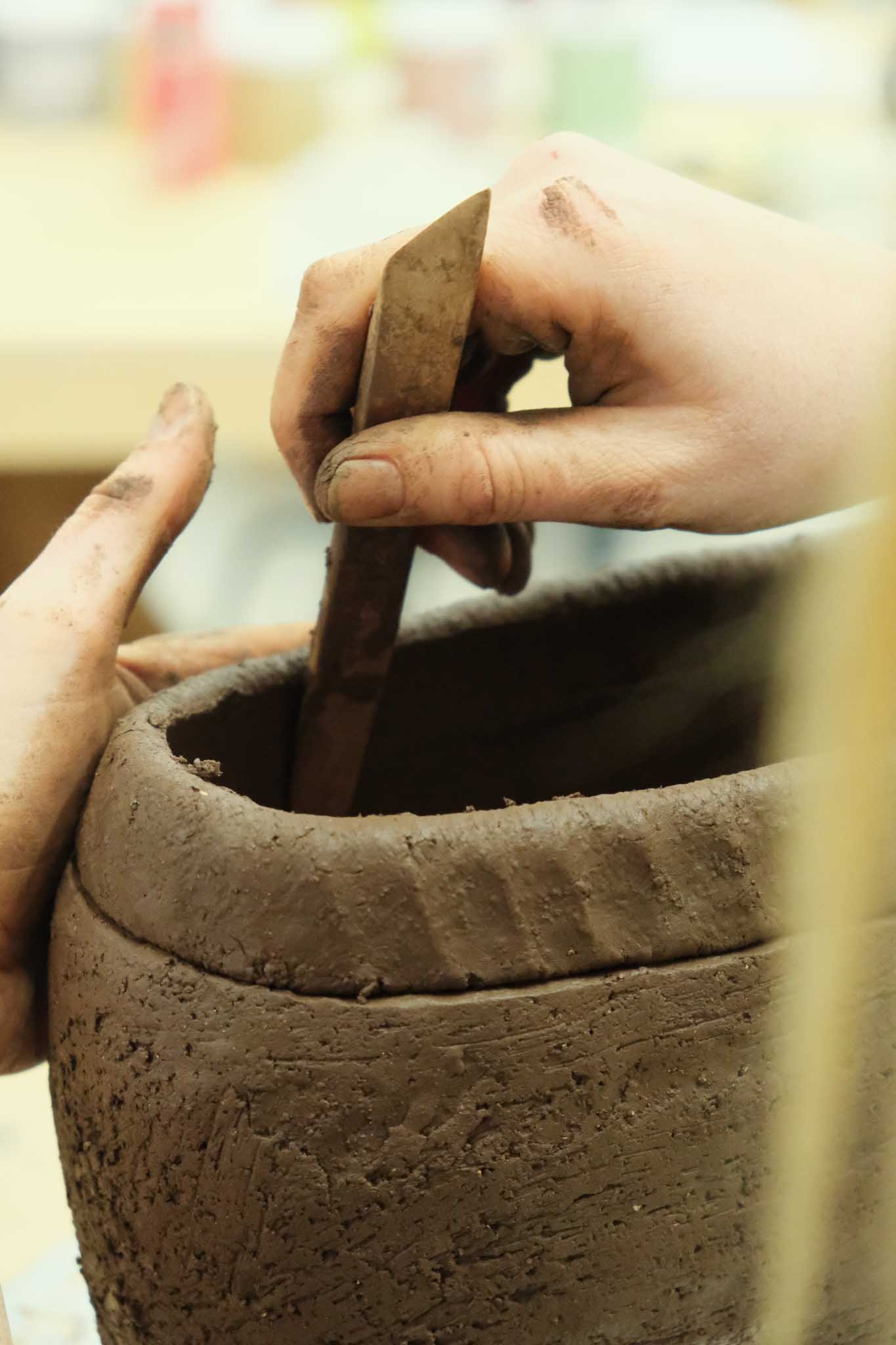
The part I love the most is when the piece takes form in my hands, especially when I use the coiling technique. It is a moment of total immersion where I feel completely connected to the material and the initial idea, and the piece truly comes to life.
Collaboration seems to play an important role in your practice, whether with chefs, restaurants, or other creatives. Could you discuss the importance of these partnerships to you and how they contribute to the collective support and development within your creative community?
Collaboration is at the heart of my practice. It allows me to nourish my creativity while engaging with different perspectives and universes. Working with chefs and restaurants is like a genuine dialogue: I draw inspiration from their identity and vision, and I create pieces that complement their work, while bringing my sensitivity and expertise.
These partnerships are valuable because they enable a sharing of skills and inspiration. They also strengthen the connections within the creative community by highlighting artisanal work and showing that creation can be collaborative while remaining authentic. Each collaborative project is an opportunity to learn, experiment, and create unique pieces that tell a shared story between two artisans.
Where do you see the greatest potential for preserving and honoring traditional local crafts in today’s world?
I believe the greatest potential lies in transmission and collaboration. Supporting artisans, sharing their techniques, and promoting exchanges with other creators allows these crafts to thrive while respecting their authenticity. The growing interest in local, sustainable, and handmade work is also a fantastic opportunity to give these crafts the recognition and celebration they deserve.
Are there any new directions or projects you’re currently exploring that you’re particularly excited about?
I’m currently exploring fossils and natural curiosities, which are inspiring a future exhibition. This research allows me to combine artistic exploration with a fascination for history and nature, creating pieces that capture the textures, shapes, and stories of these ancient and intriguing objects. It’s an exciting phase of experimentation that I can’t wait to share!
Where and how can people engage more with your work or learn about your upcoming pieces?
You can discover my work via my website and Instagram, where I share my creations, experiments, and behind-the-scenes glimpses of my studio. My website provides information about upcoming pieces, collaborations, and classes. Additionally, you can visit my studio in Marseille by appointment to see the pieces up close and engage directly with me and my work.
All photos belong to Lou.
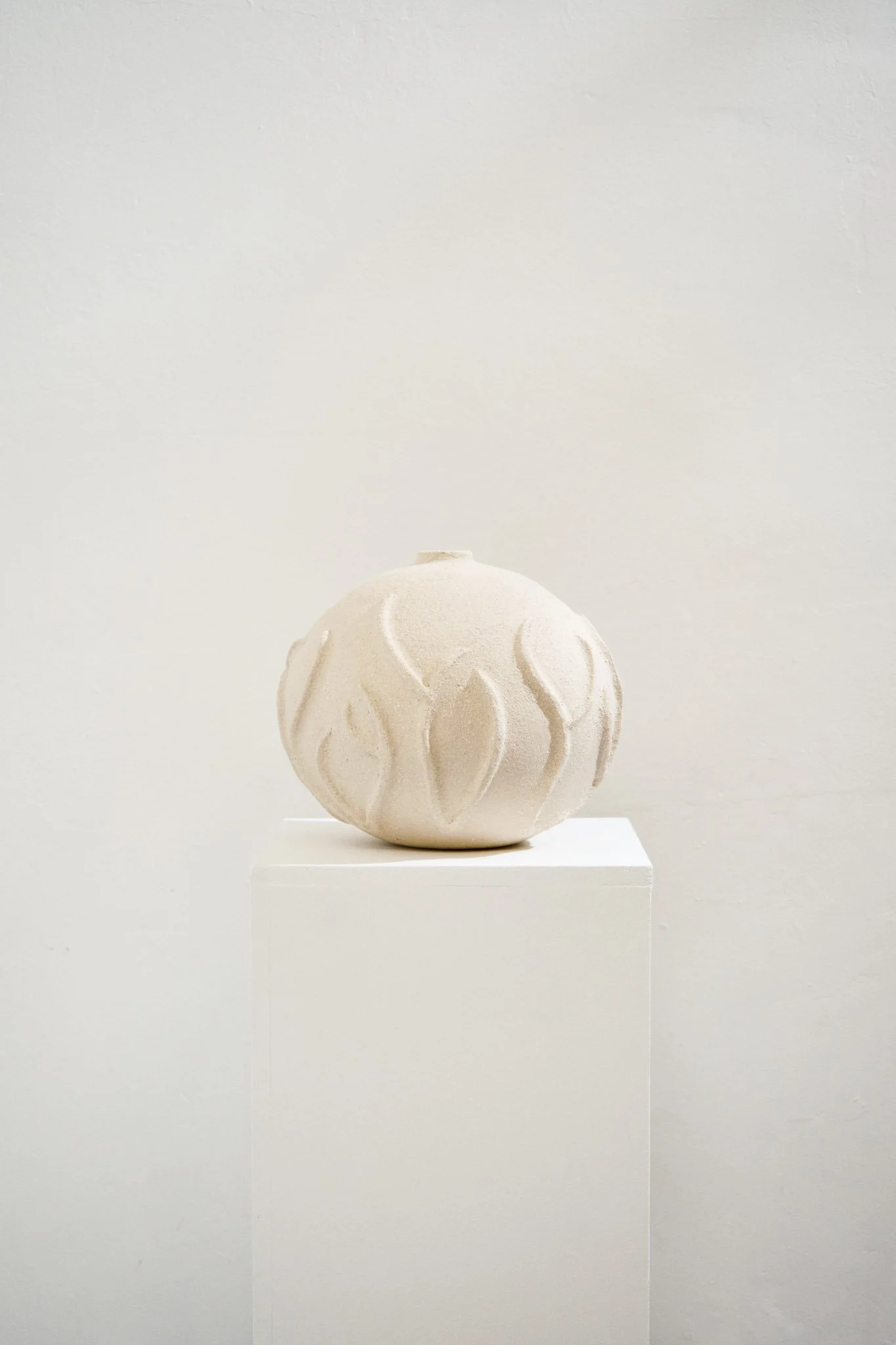
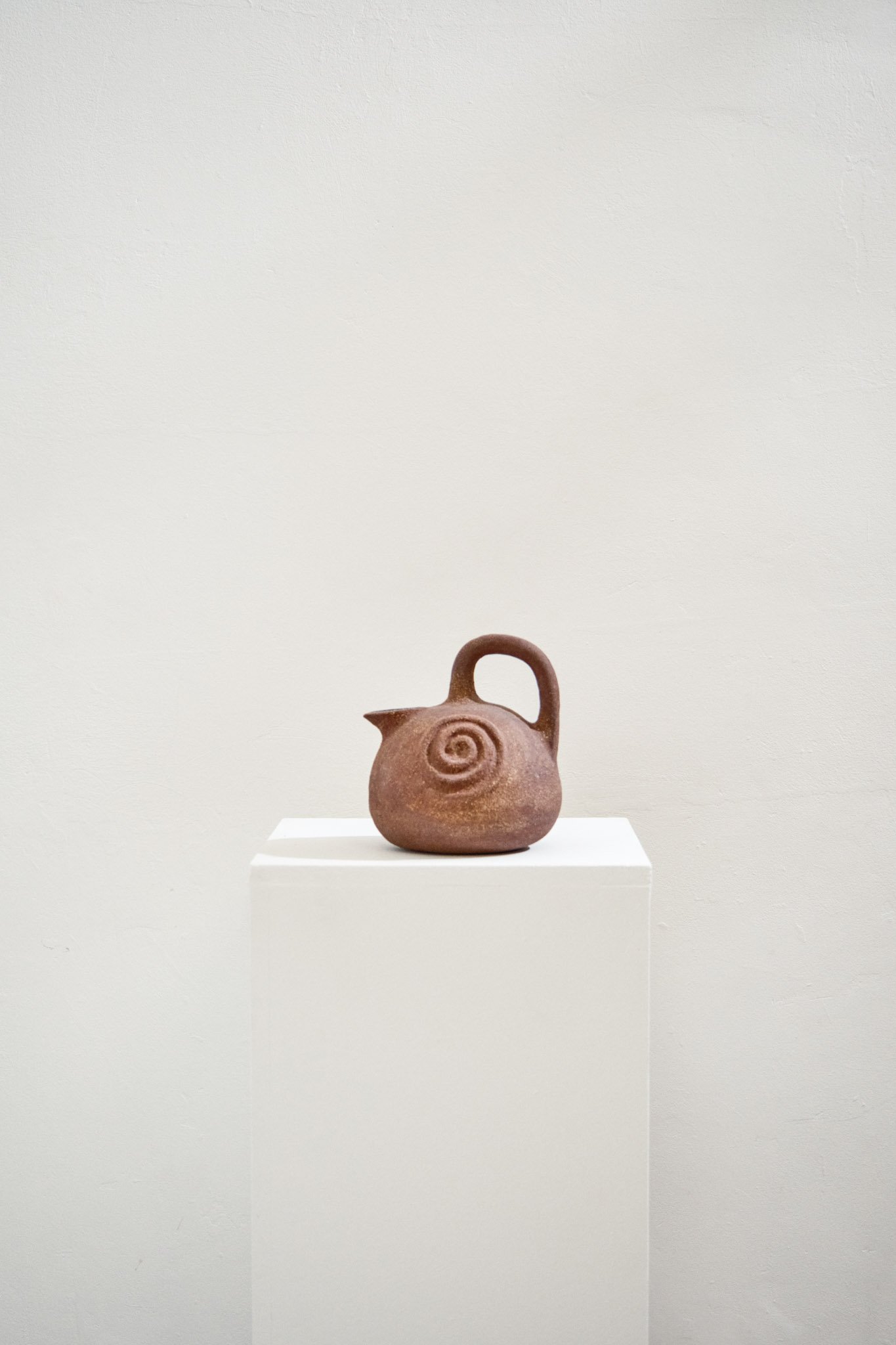
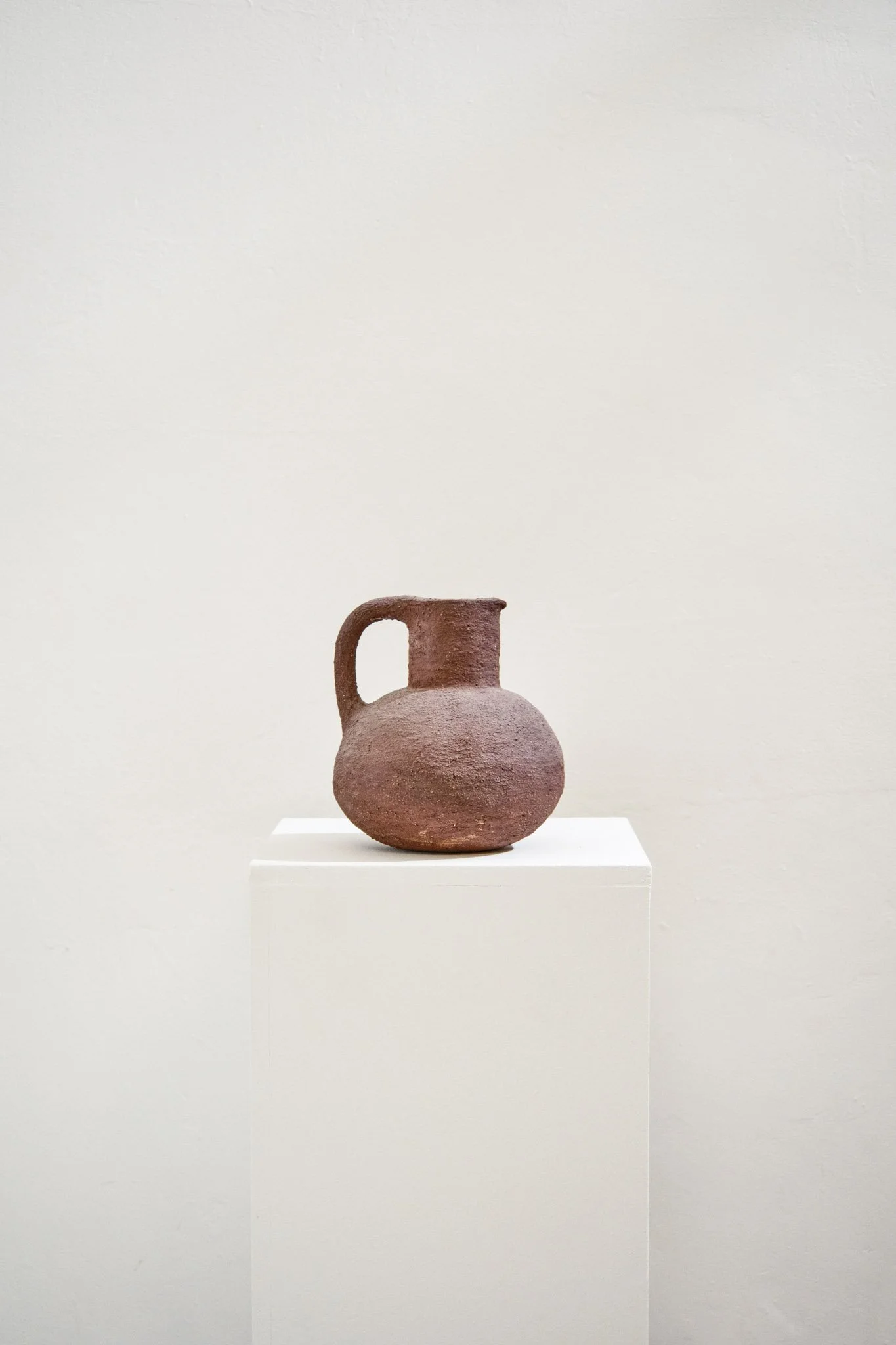
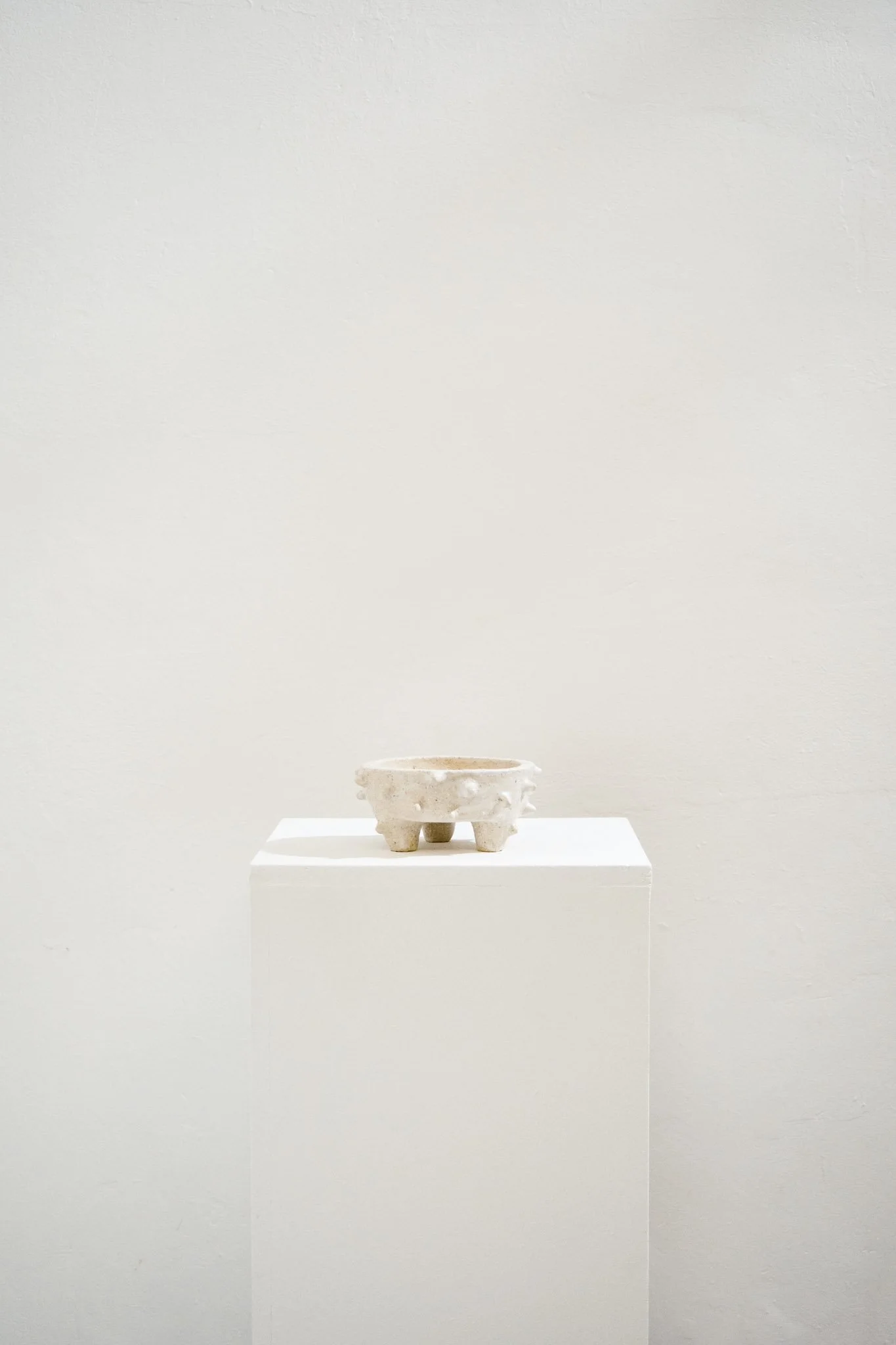
Handbuilt using the coiling technique, the Cenicero No. 7 is made by Lou Thomas in her Marseille studio. Crafted in beige stoneware with a white mat finish, the piece highlights a functional, grounded silhouette. A versatile form inspired by various techniques discovered around the world.
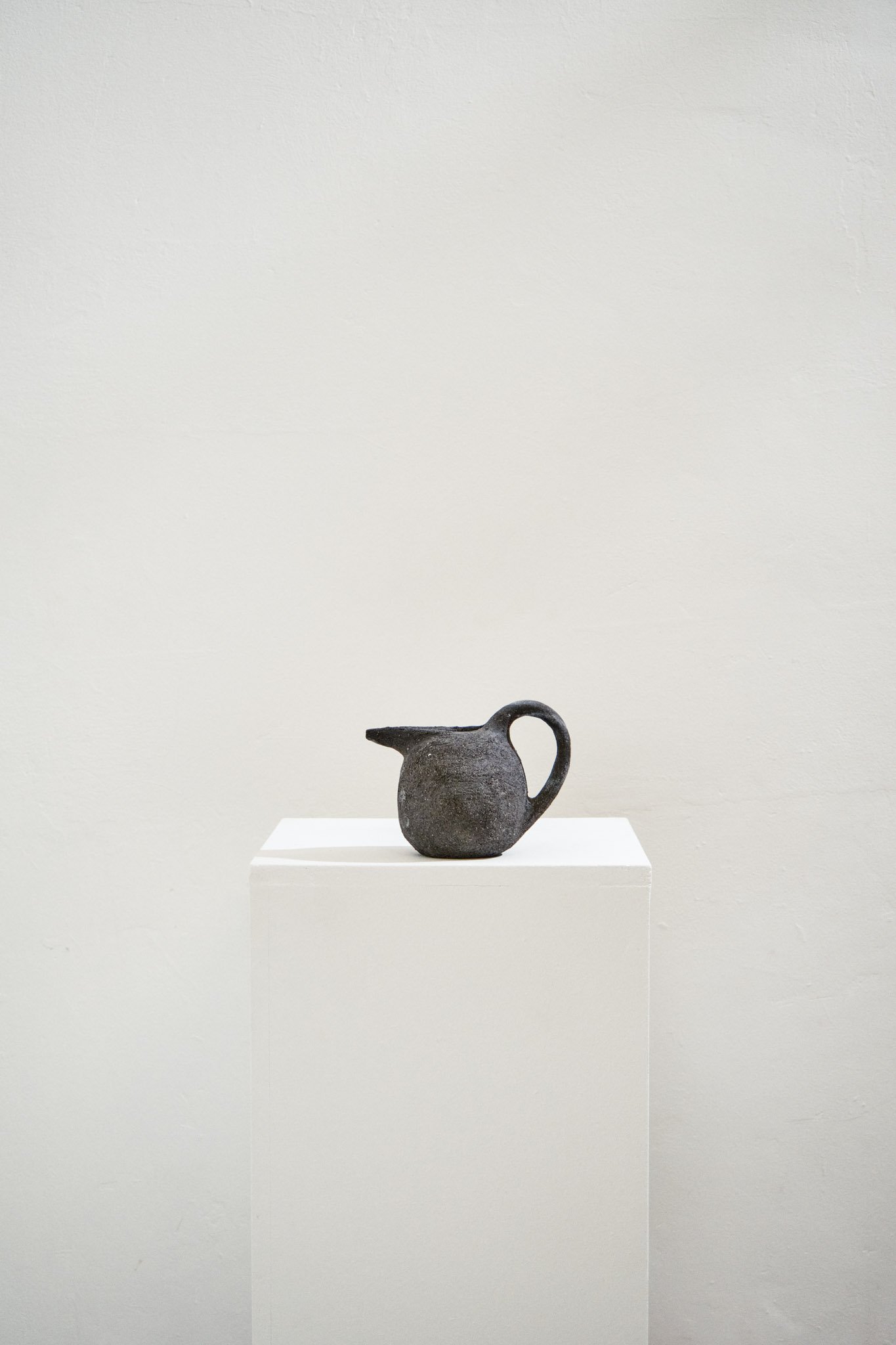
Handbuilt using the coiling technique, the Petit Oiseau is made by Lou Thomas in her Marseille studio. Crafted in black stoneware with a glossy transparent glaze inside and left unglazed outside, the piece is a compact, characterful form that highlights the dark, textured grain of the clay. Functional form inspired by various techniques discovered around the world.
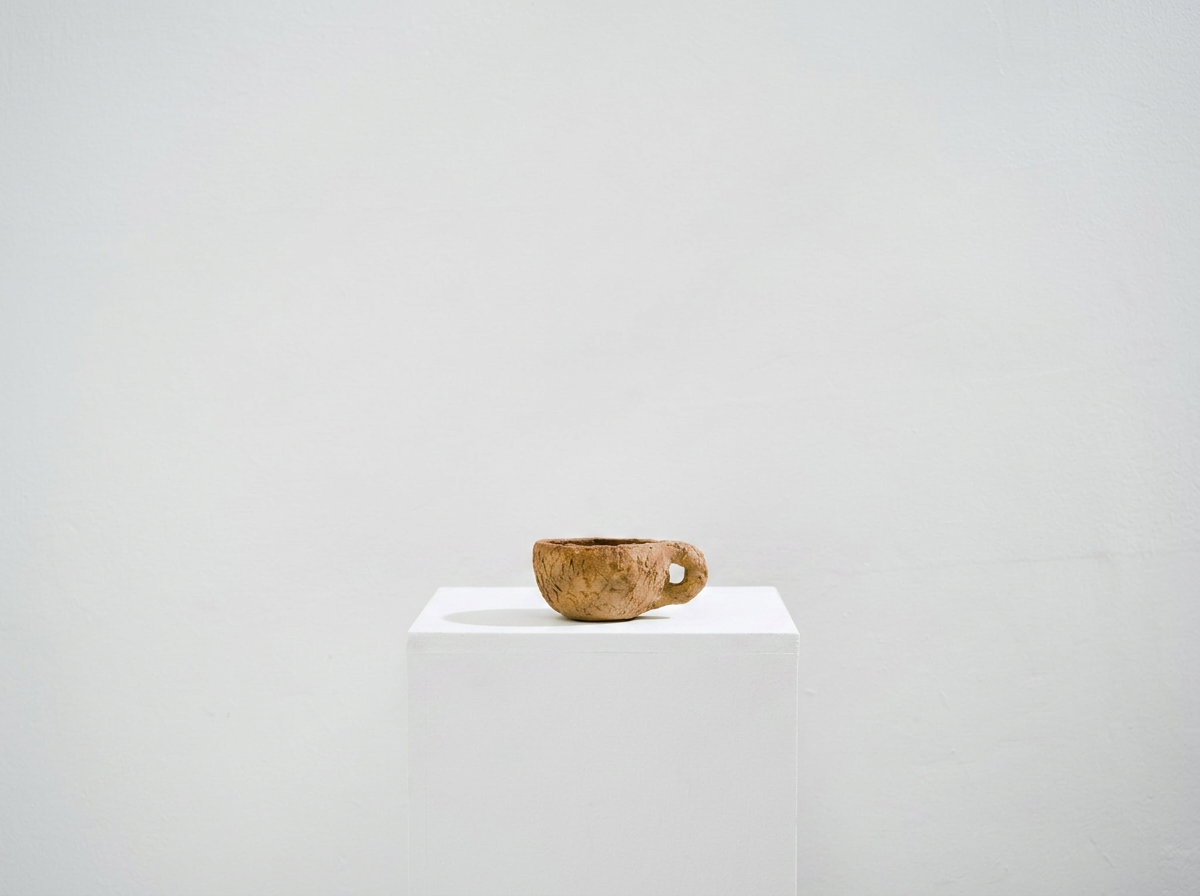
Handbuilt using the pinching technique, the Textured cup is made by Lou Thomas in her Marseille studio. Crafted in light red stoneware, the exterior is left to showcase the raw grain and surface variations of the material. Functional form inspired by various techniques discovered around the world.
