Ceramics
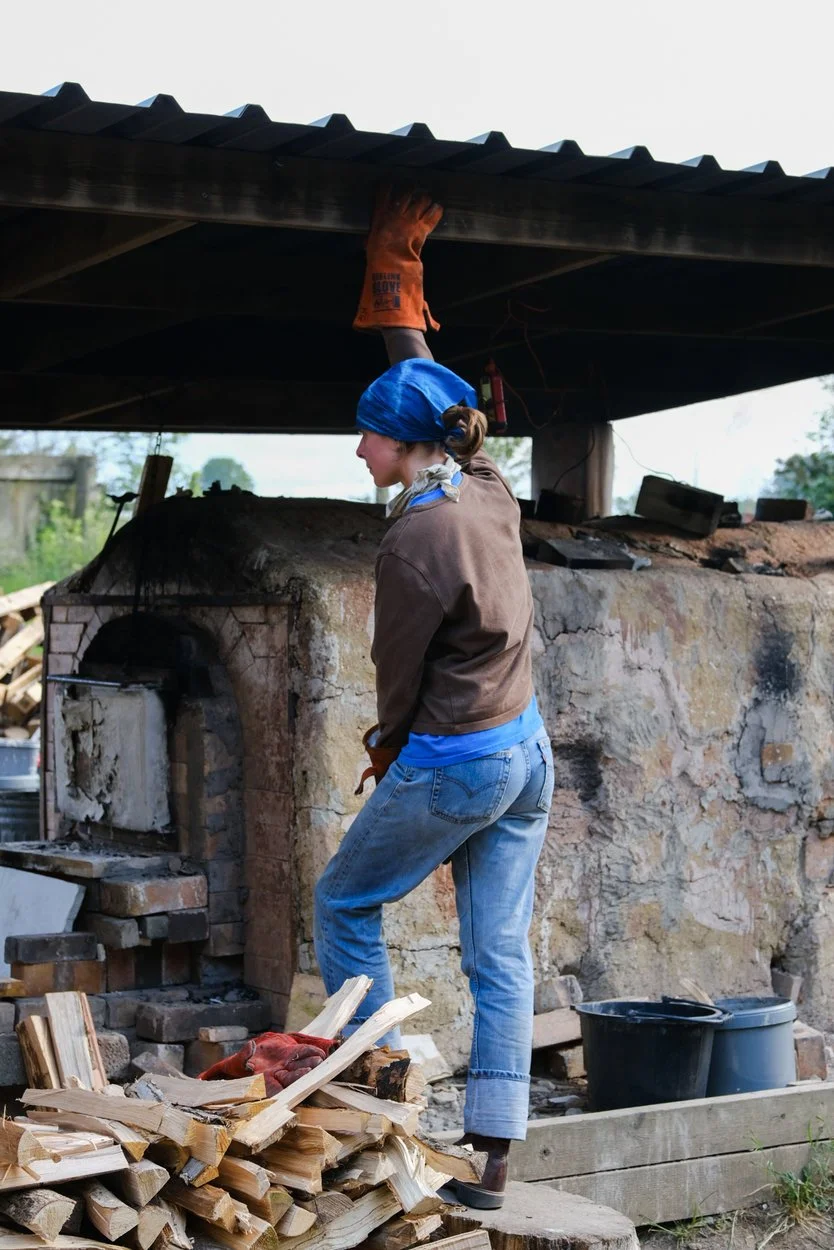
Amelia Brokenbrow is a potter based in Brighton, UK, working with porcelain tableware and sculpture. She studied Fine Art before training in studio pottery at Clay College in Stoke-on-Trent, where porcelain became her main material. She works with brushwork on her surfaces, bringing imperfect pattern and leaving space for chance.
The selection at Crafters of Today brings together cups and a vase in porcelain and porcellaneous stoneware, each marked by hand and wood-fired for two days.
Read our interview with Amelia.
Amelia Brokenbrow Brighton
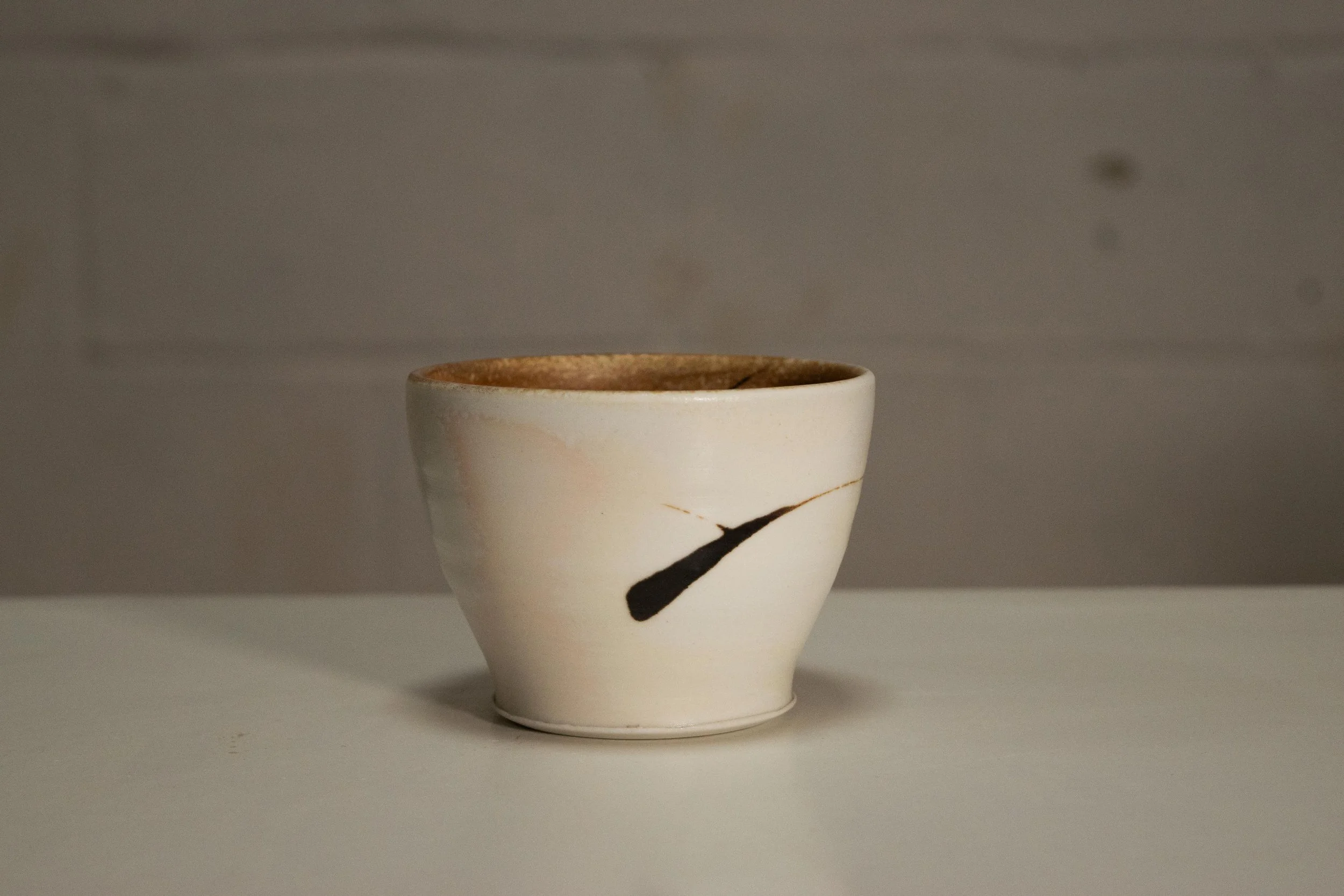
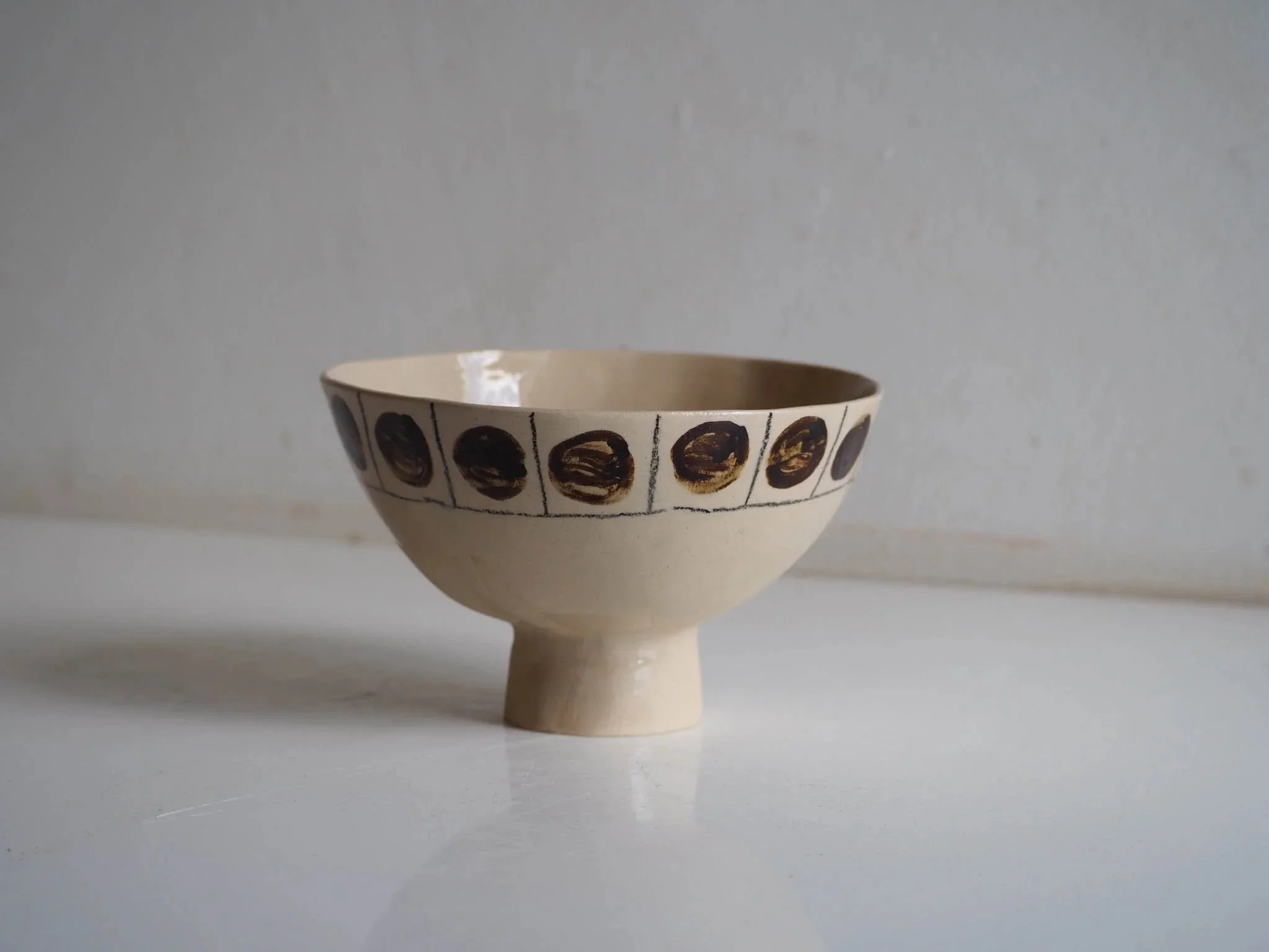
Made in the UK by Amelia Brokenbrow, Porcelain Cup I is a wheel-thrown porcelain cup marked with pigment and lined with flashing slip. It was wood-fired for two days in a reduction atmosphere, which left a soft blush across the porcelain body, while the hand-applied marks sit lightly on its translucent surface. The firing makes each cup unique.
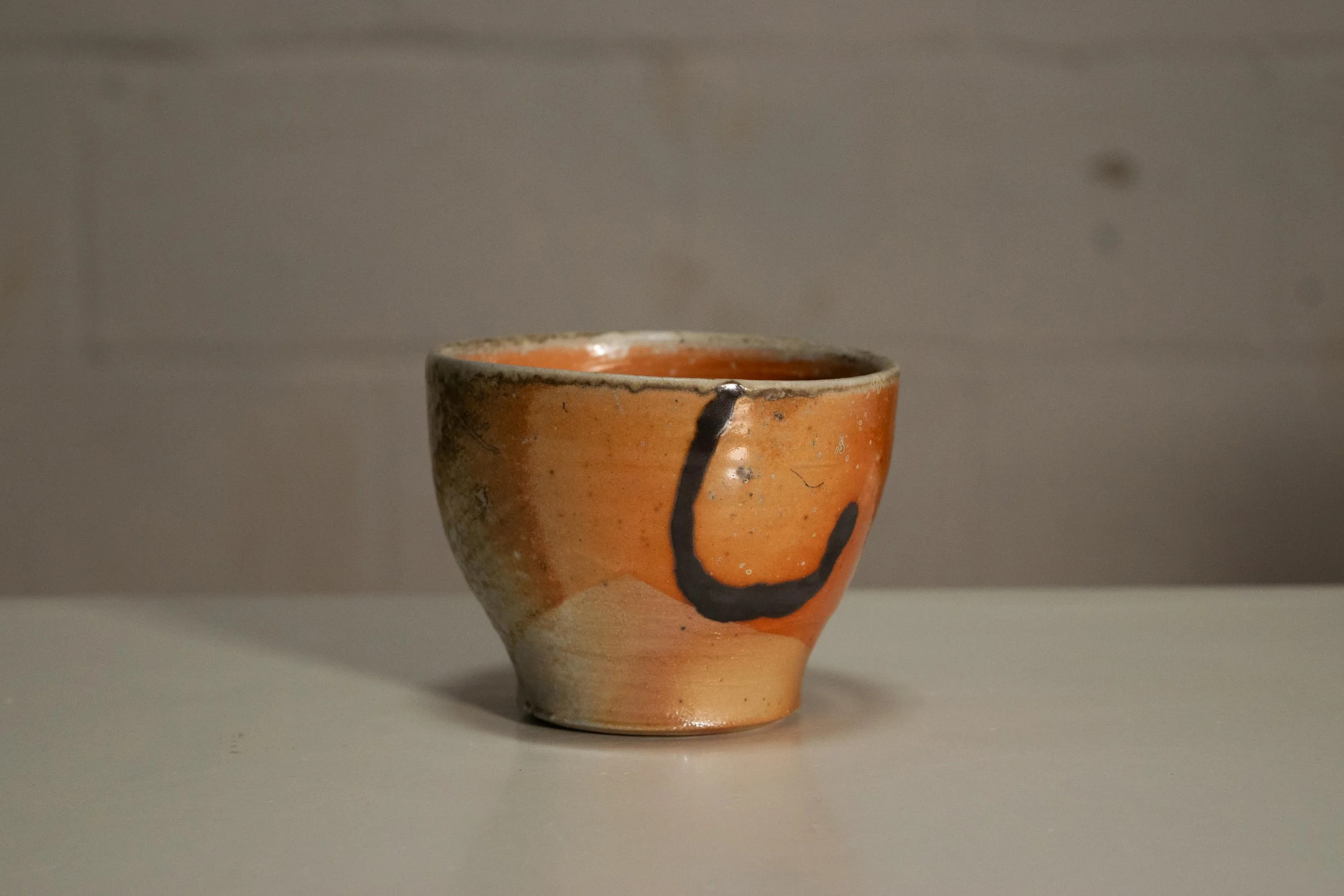
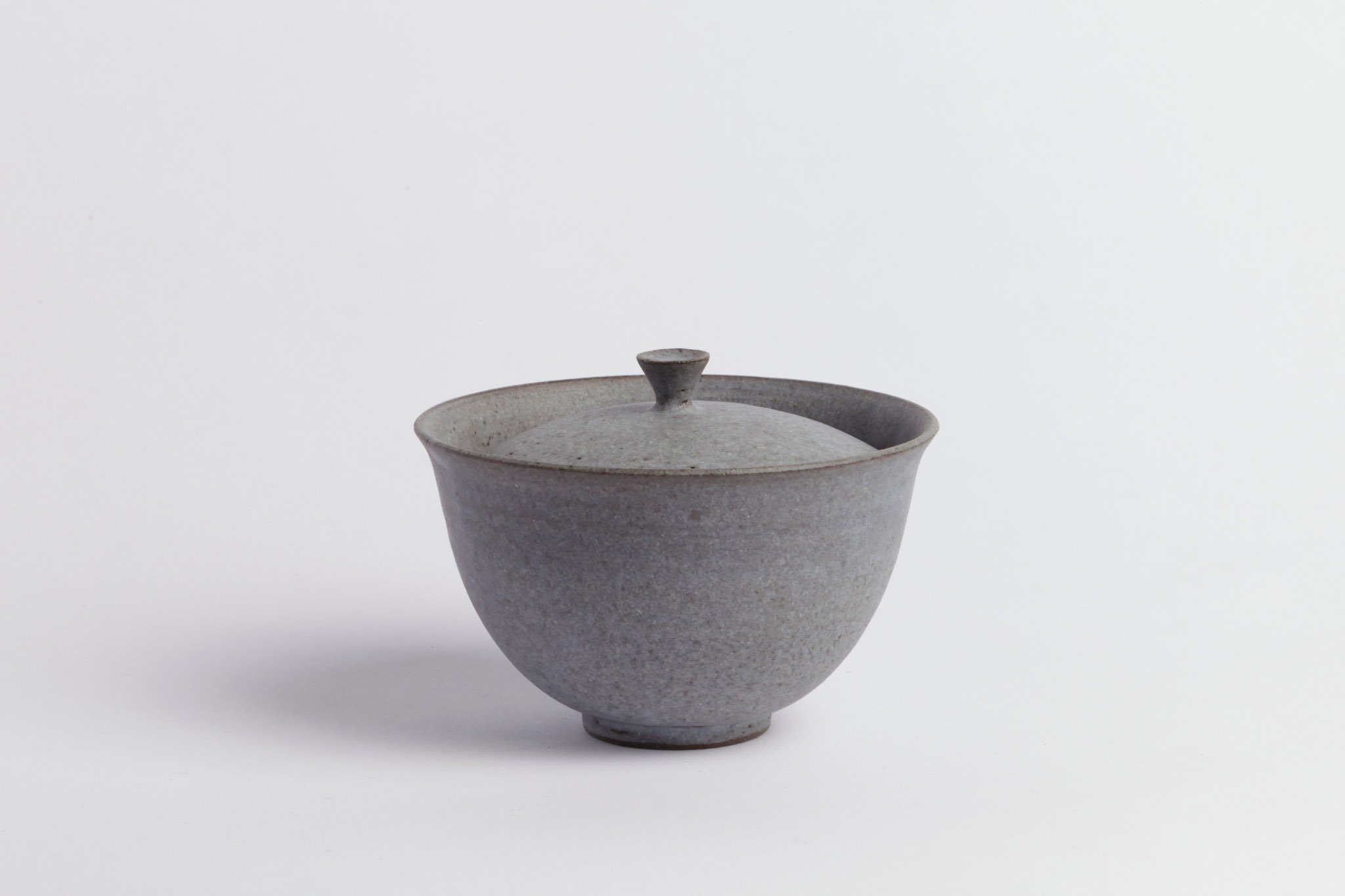
Made in the UK by Amelia Brokenbrow, the Shino Cup is thrown on the wheel in porcellaneous stoneware and glazed in shino marked with iron pigment. The shino shifts in tone during two days in a wood kiln, while the iron marks give a loose rhythm to the surface. Chance in the firing makes each cup unique.
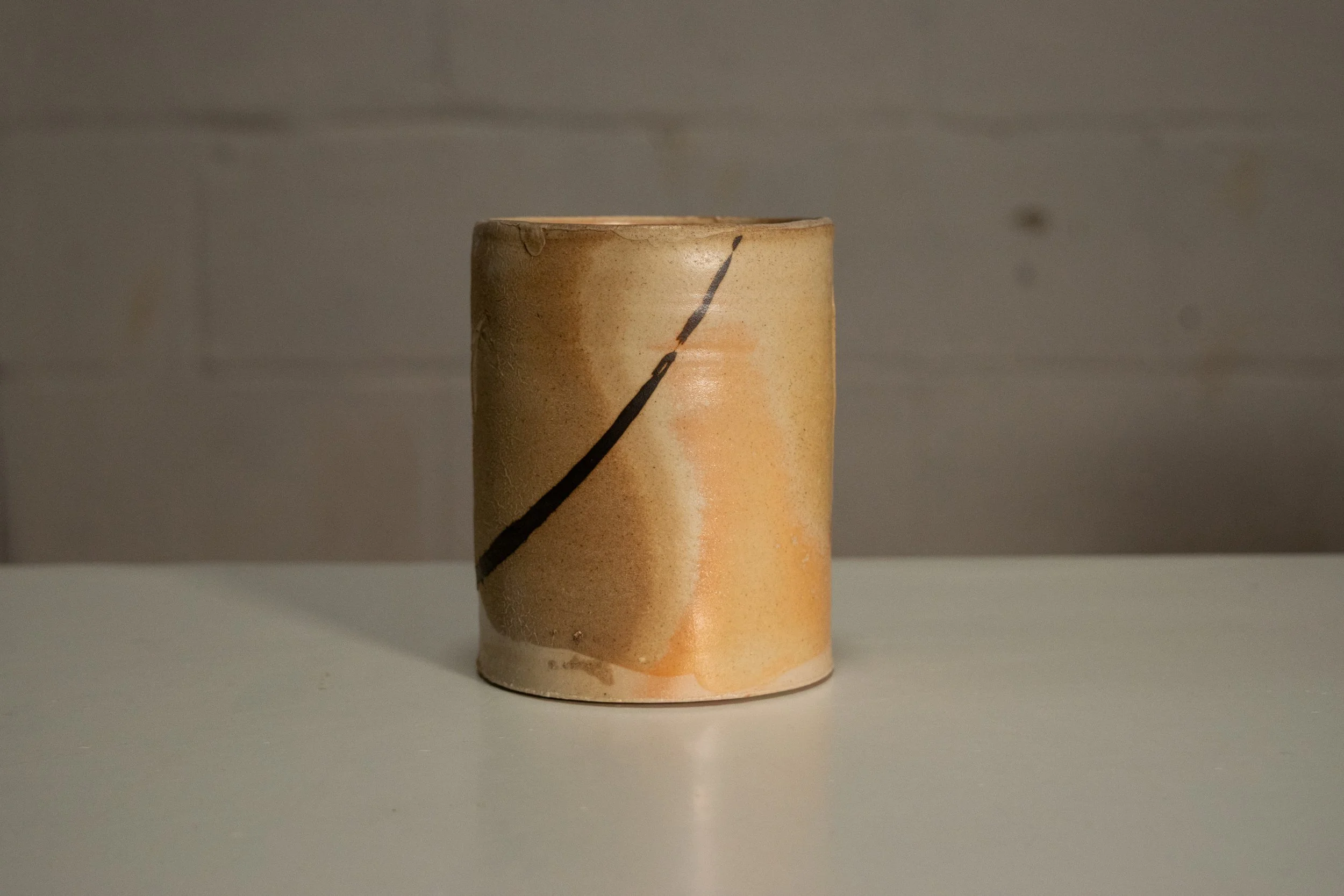
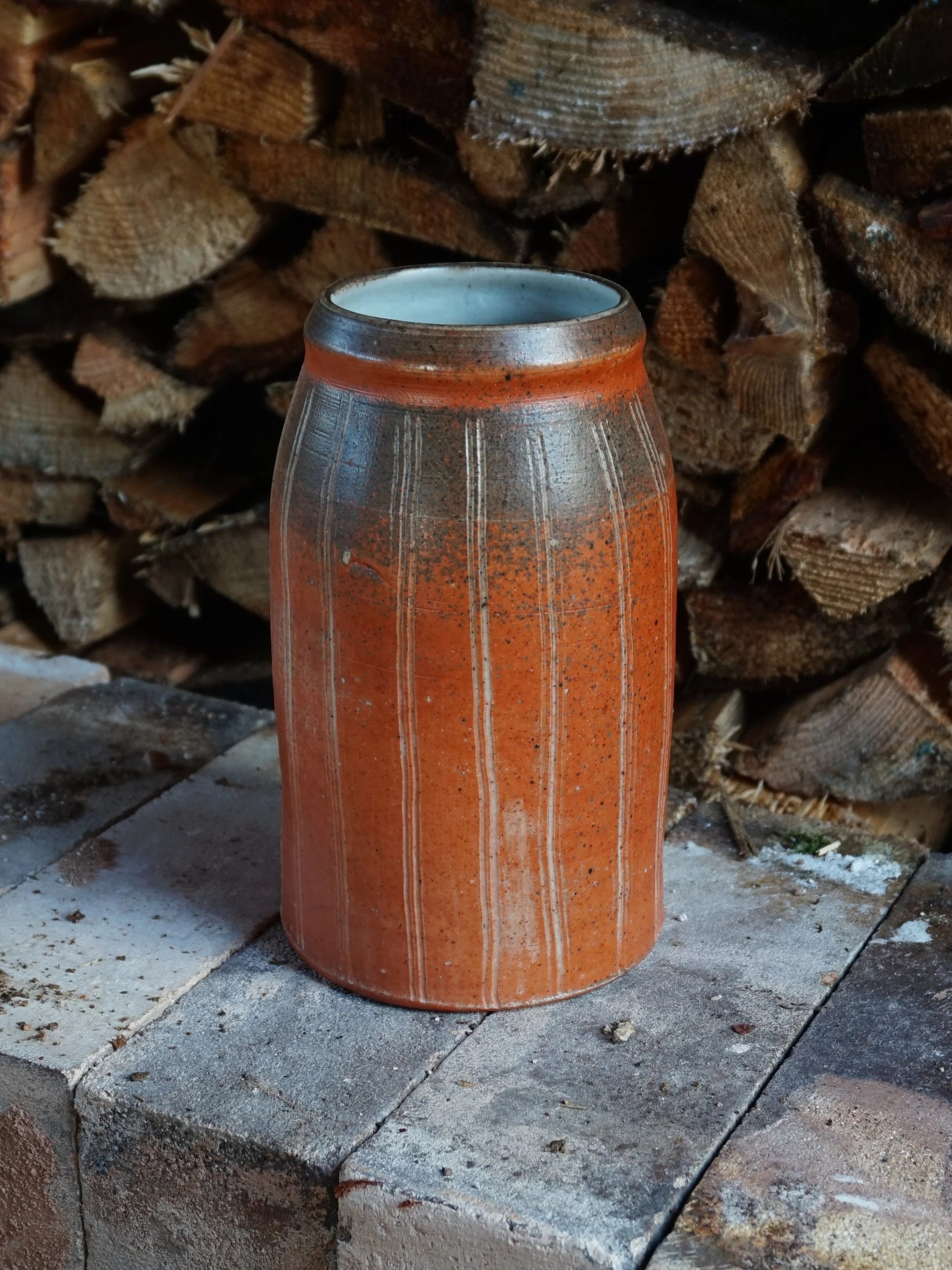
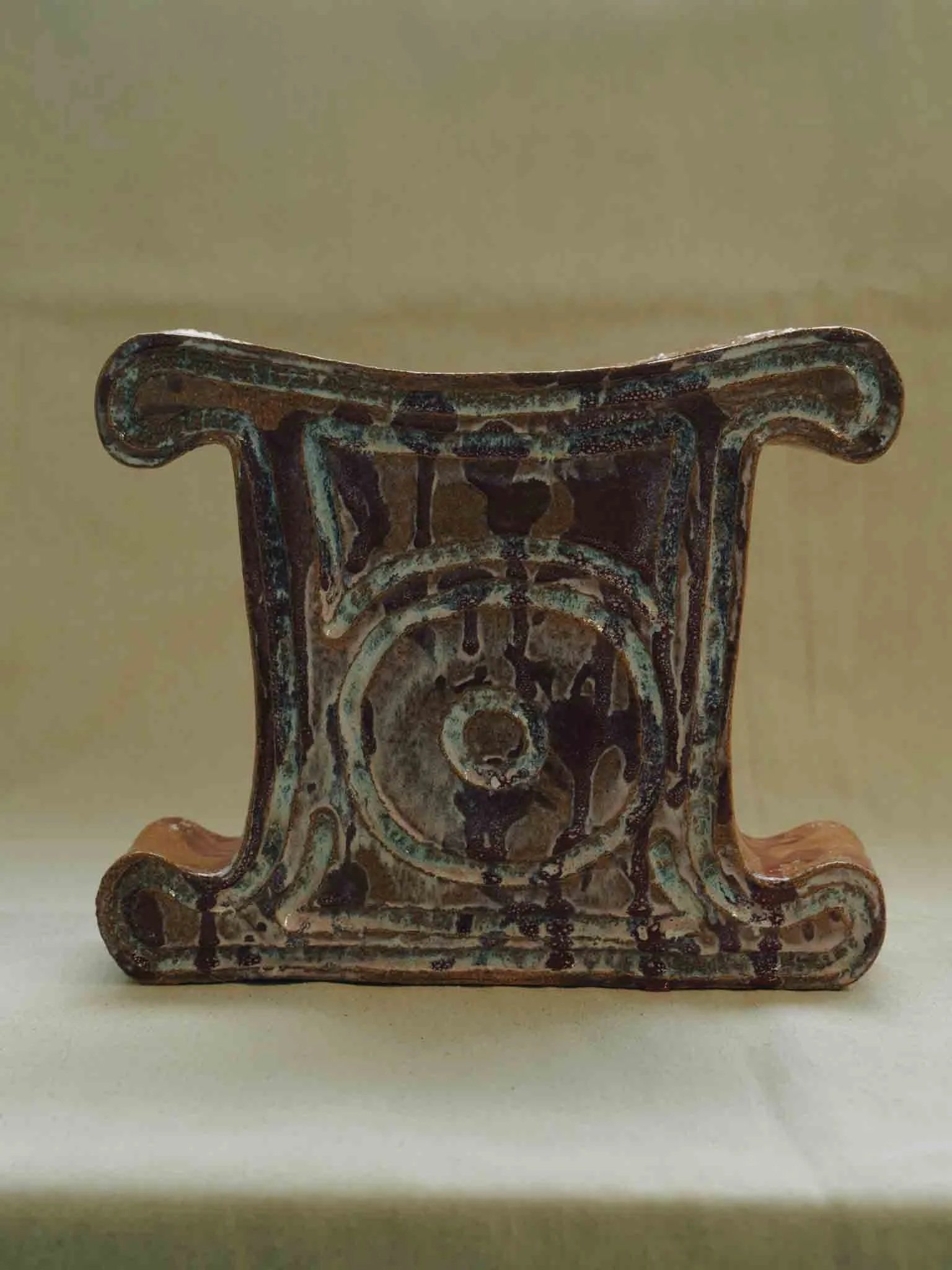
Made in the UK by Amelia Brokenbrow, the Shino Vase is a small vessel thrown on the wheel in porcellaneous stoneware and glazed in shino. Iron pigment and sgraffito mark the surface, while two days of wood firing bring variation to the glaze. No two vases are alike.
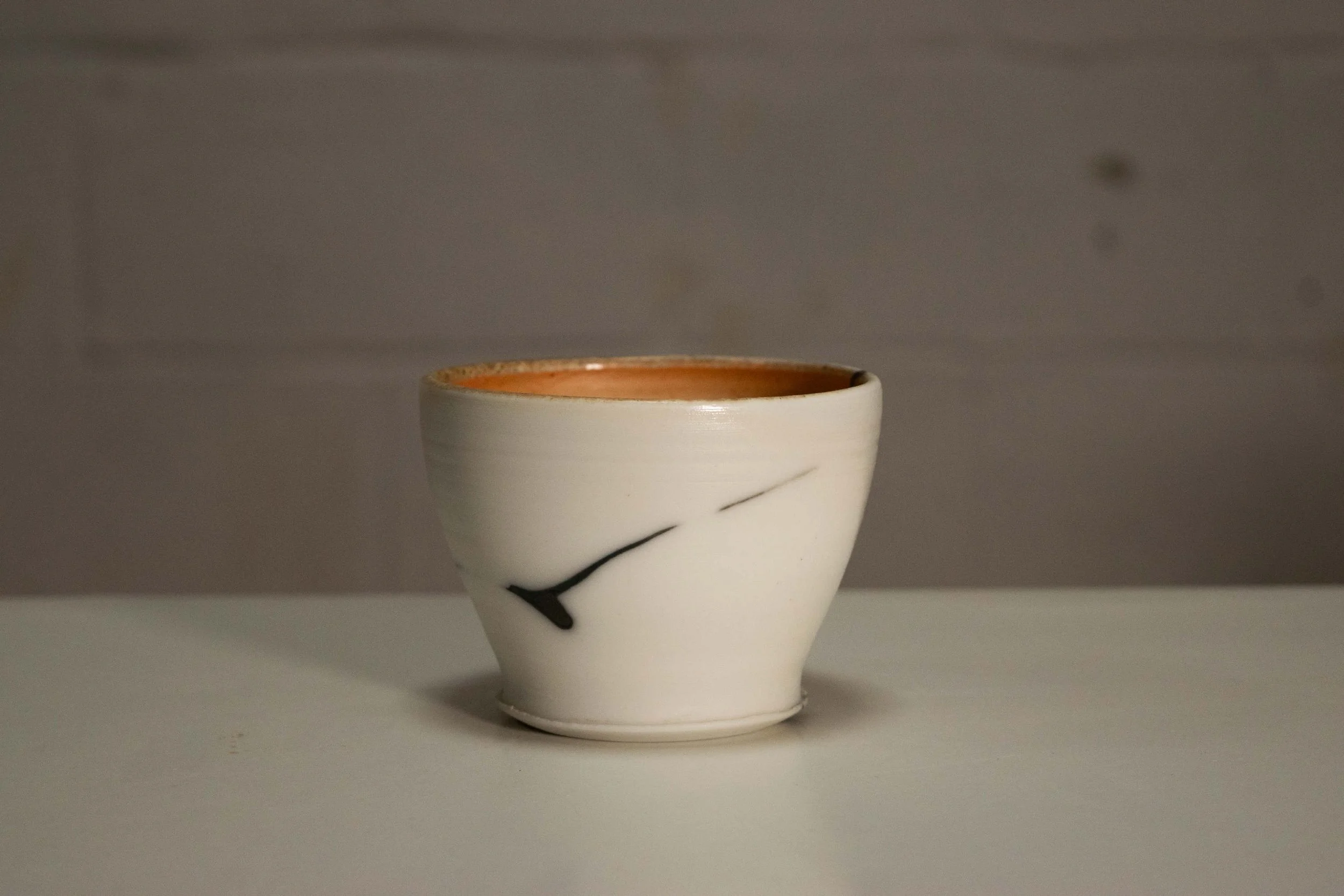
Made in the UK by Amelia Brokenbrow, Porcelain Cup II is a wheel-thrown porcelain cup marked with pigment and lined with flashing slip. Its simple, open form carries brushwork shaped by Amelia's study of traditional craft techniques, while two days in a wood kiln add variation across the surface. The firing makes each cup unique.
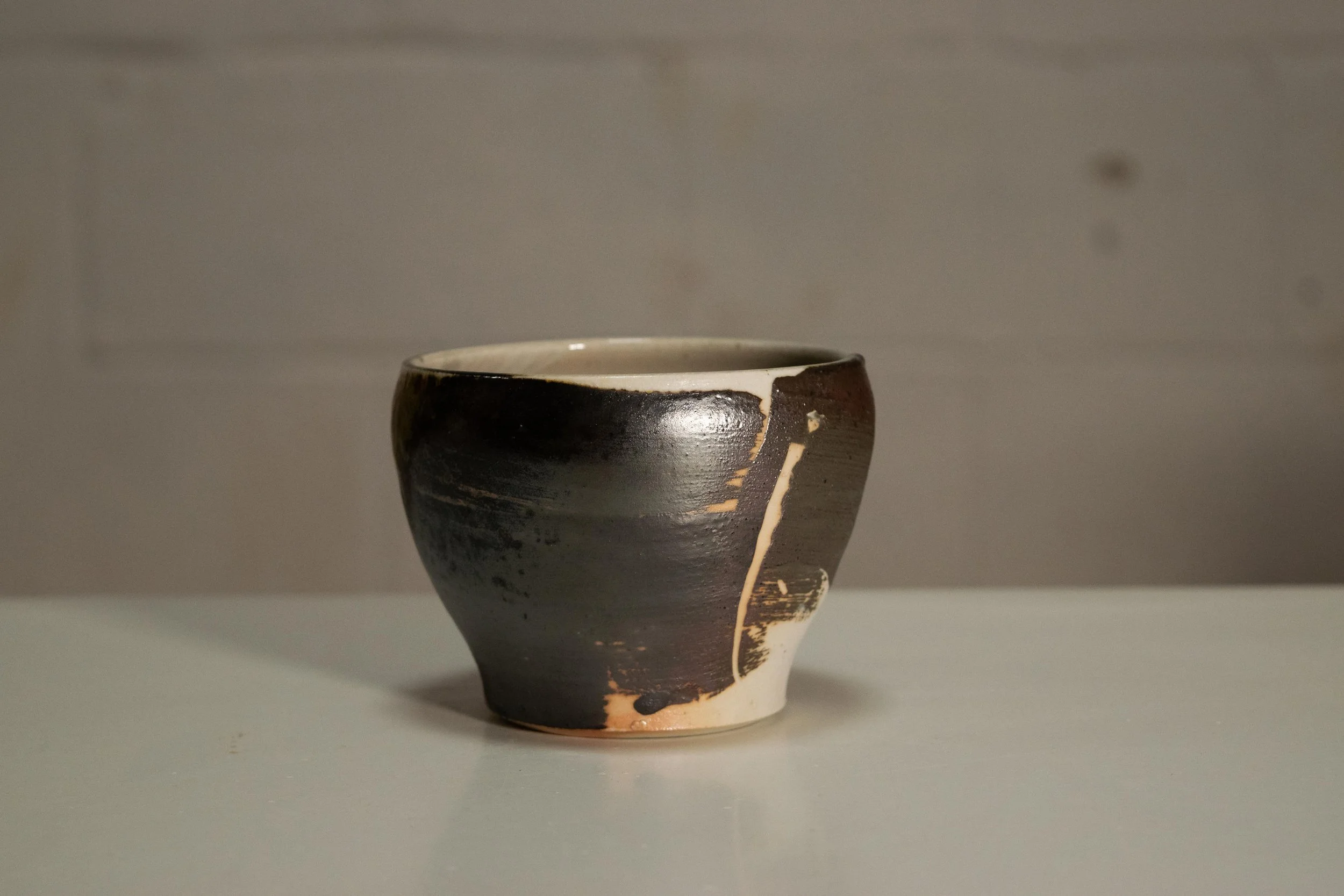
Made in the UK by Amelia Brokenbrow, the Red Iron Cup is thrown on the wheel in porcellaneous stoneware and marked with high-iron slip and sgraffito. A celadon lining contrasts with the warm red of the exterior, while the lines cut through the slip reveal the clay beneath. Wood-fired for two days, each cup comes out of the kiln with its own surface.
-
![]()
Wall art · Ceramics
-
![]()
Wall Hooks
-
![]()
Candle Holders
-
![]()
Tables
-
![]()
Lamps
-
![]()
Jewelry Box
-
![]()
Plates
-
![]()
Jewellery
-
![]()
Jewelry Tray
-
![]()
Spoons
-
![]()
Vases
-
![]()
Vessels
-
![]()
Bowls
-
![]()
Wall Art · Hand Punched
-
![]()
Handmade Soap
-
![]()
Wall Art · Handwoven
-
![]()
Patchwork Quilts
-
![]()
Cushion
-
![]()
Chalice
-
![]()
Teacups
-
![]()
Candles
-
![]()
Wall Bowls
-
![]()
Lamps in Straw Marquetry