Saeam Kwon
Please share a bit about yourself and your background.
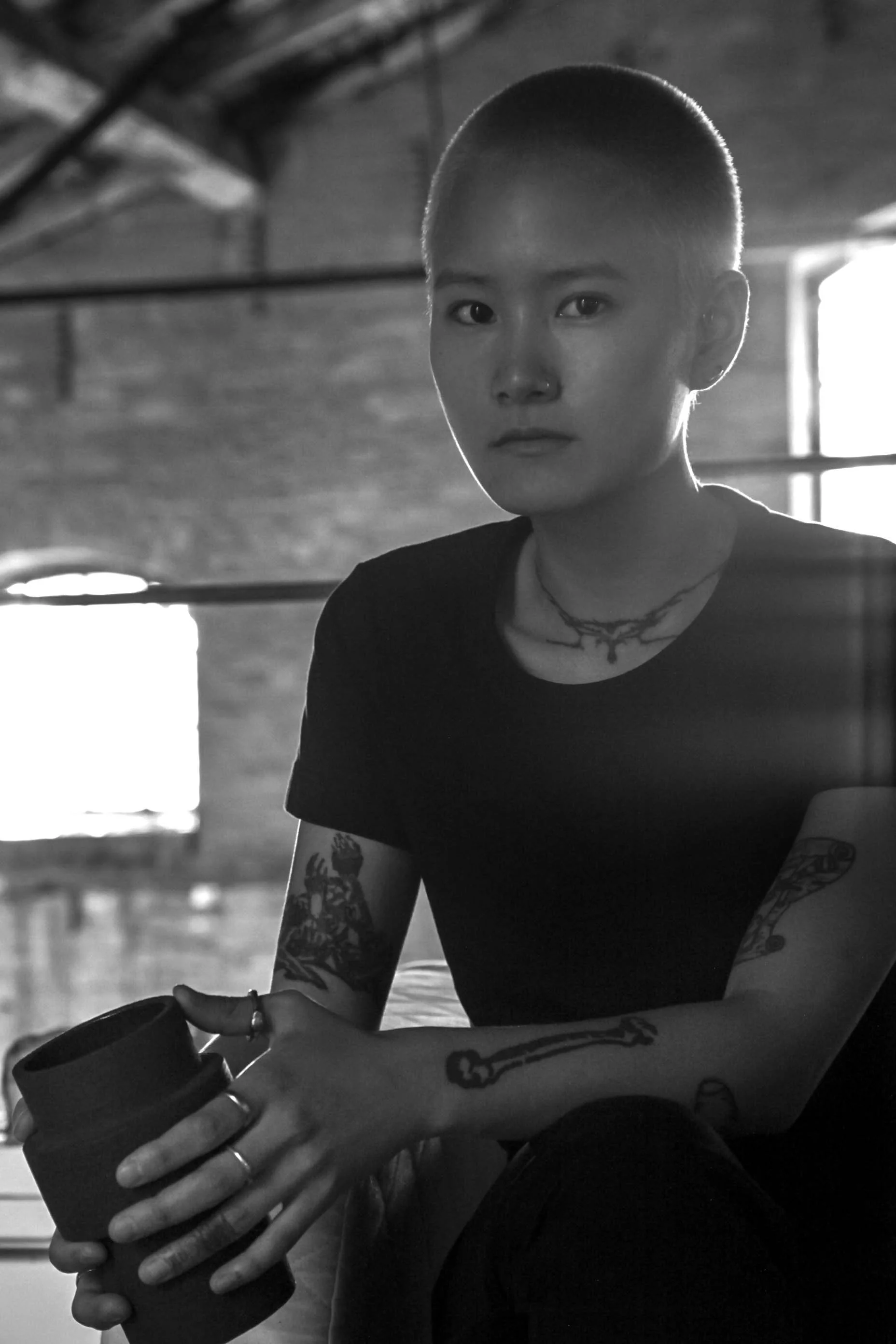
My name is Saeam Kwon, I was born in a small town called Taebaek, South Korea. I went to an alternative boarding school at 15, where I had access to the pottery studio seven days a week. (These schools are often called alternative schools or progressive schools in Korea, emphasizing hands-on, experiential learning rather than conventional academics.) I started to spend most of my time at the studio and later, I started apprenticing under my teacher.
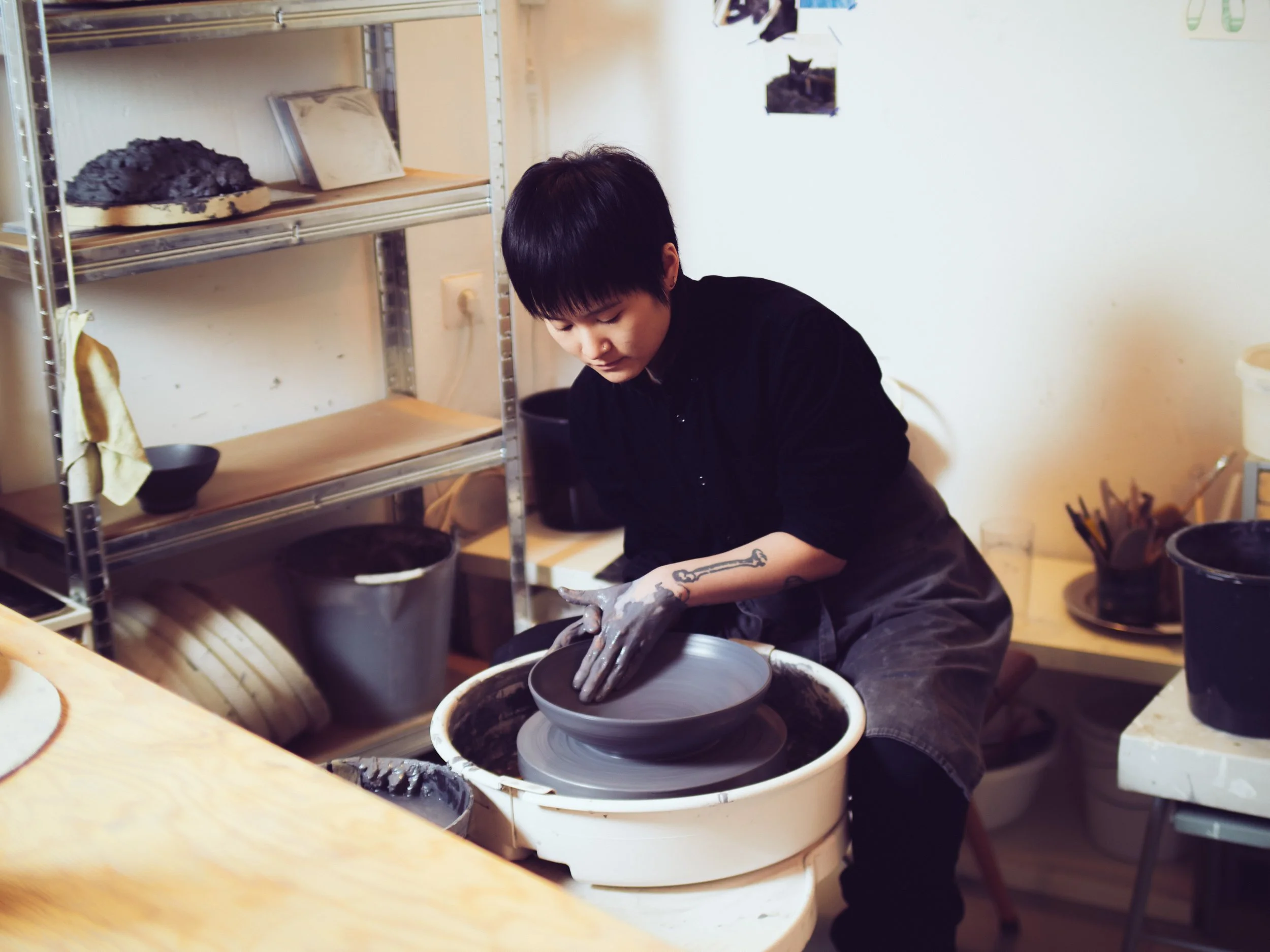
My interest continued after graduation, and I studied Ceramic Art at university for a year, but ended up dropping out. At the time I thought I’d lost interest, but later realized I wanted something more real than what the academic system could offer. I chose to work in various studios instead, learning through practice and finding my own direction along the way. I’ve worked in various clay-related spaces in Seoul and Paris before moving to Berlin in 2017 and have been working as a full-time ceramist and part-time potter's wheel instructor. I create all my pieces in my little studio in Berlin-Friedrichshain.
What was the early motivation to express your creativity through ceramics, and what continues to inspire you today?
I was quite young when I first got into ceramics, and being the kind of kid who didn’t like to sit still, I decided to take a pottery class. At first, I simply enjoyed the feeling of clay in my hands, playing with this natural material and shaping it into something else. It was fun, and I wanted to learn more about it, which rarely happened for me. Another inspiration was my teacher, who had been a potter for over 30 years and taught me everything I know today. He could make bowls—Sabal in Korea—with such ease, and that form has always stayed with me. I believe I can make something similar now, technically, but I still remember how I felt when I first saw his work: admiration, respect, and awe. I try to keep that feeling alive in my own practice. That was my first impression, and it has remained a big motivation to this day.
Every time I work with clay, things around me feel quieter and calmer. As a neurodivergent person, my mind usually has many radio channels playing at once, but working with clay brings me into a state of deep focus. That’s how I started to truly love this work. Whether I’m skilled or not, it’s still fun and comforting. It structures my routine. All the other tasks as a potter can still be challenging, but the act of working with clay remains simply enjoyable.
In what ways do the landscapes, traditions, and memories of your upbringing in Korea live within your work today?
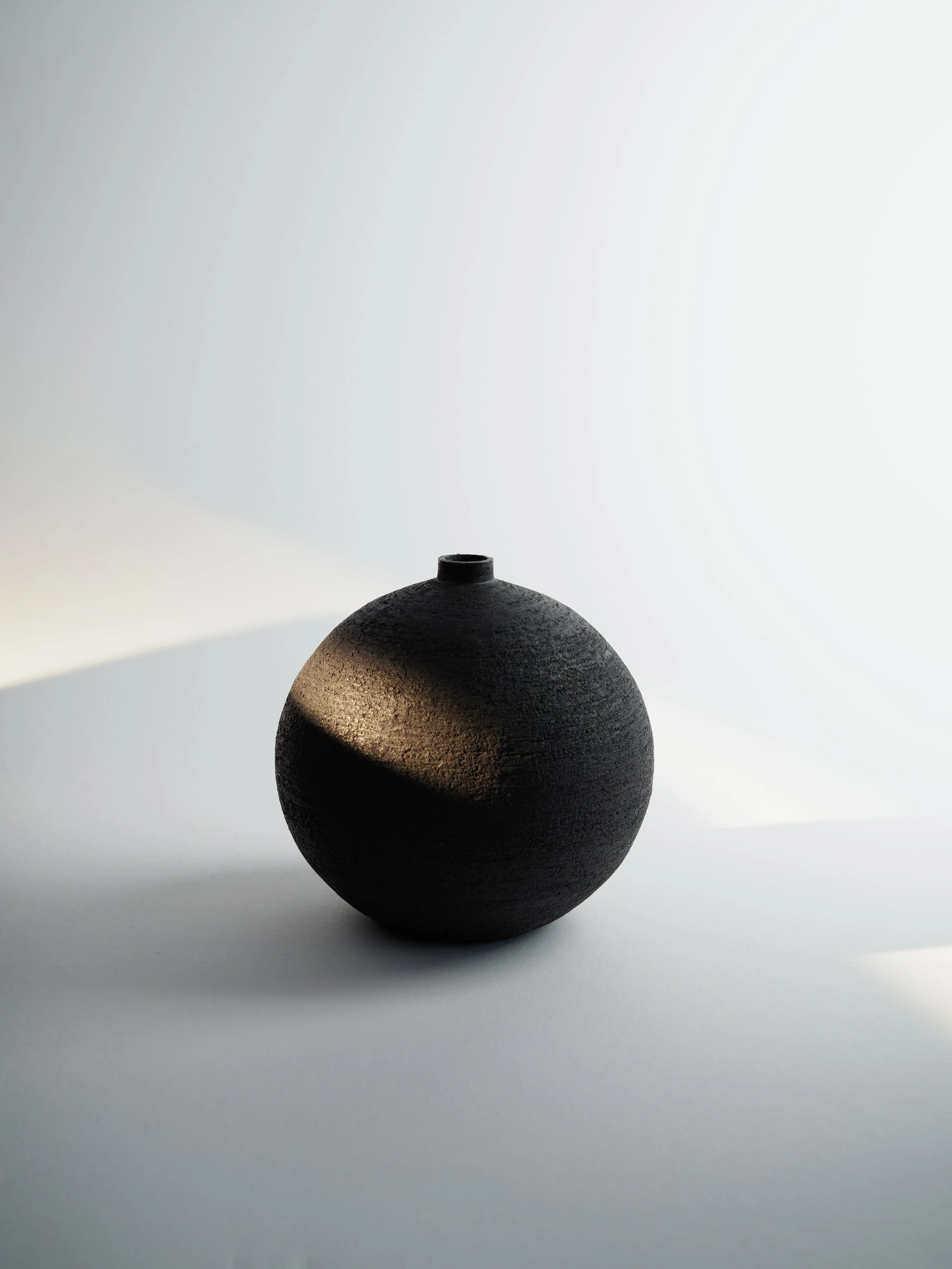
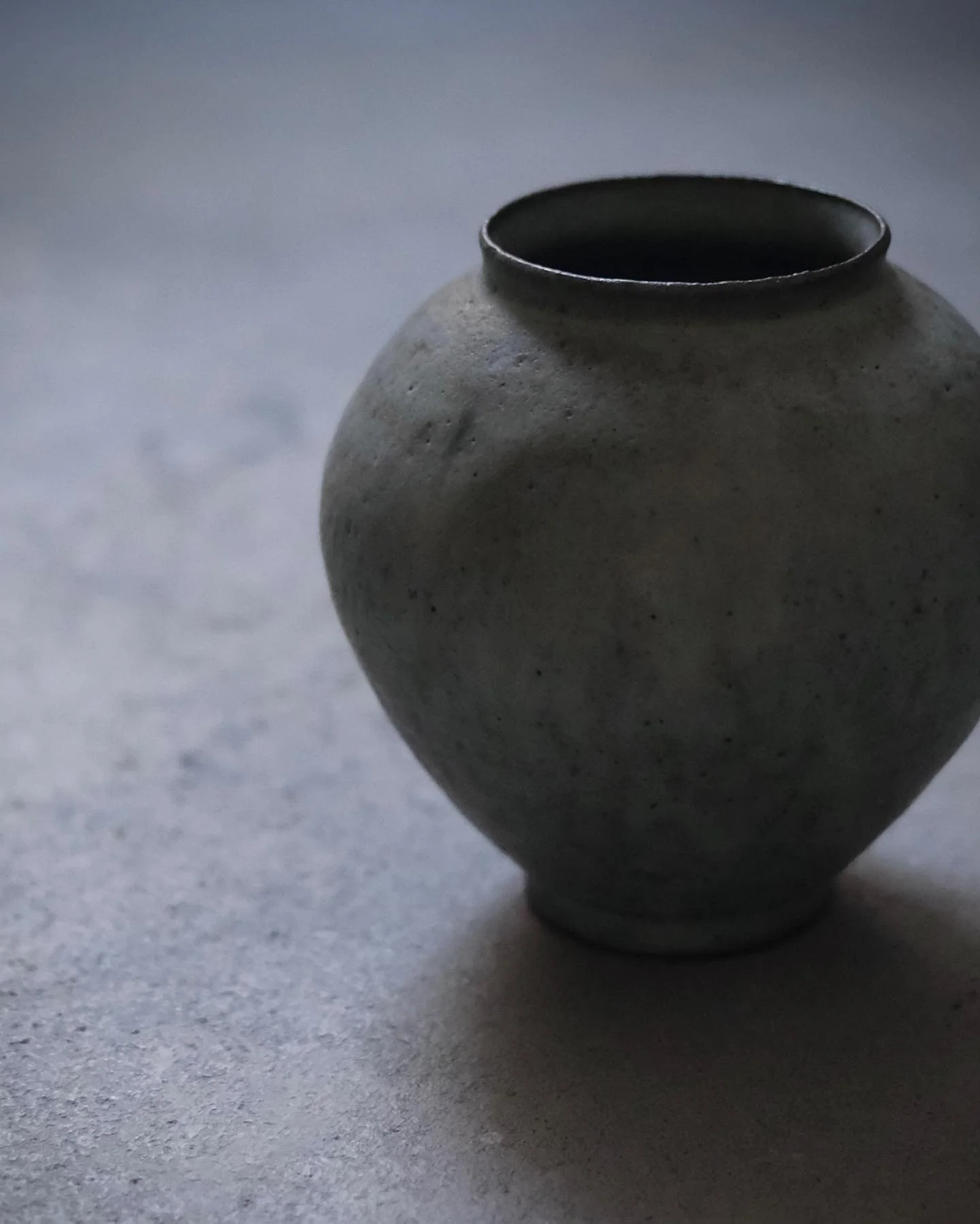
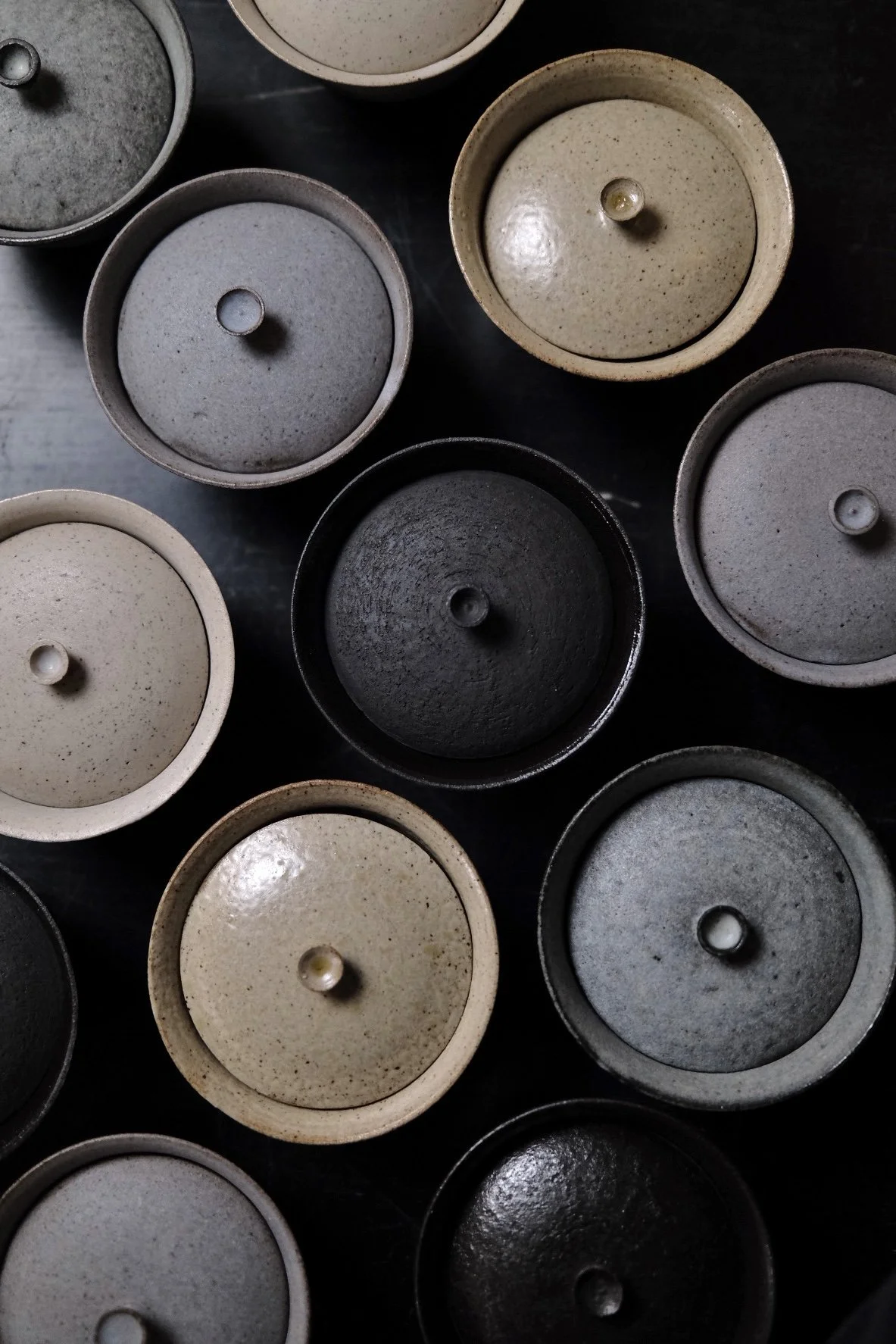
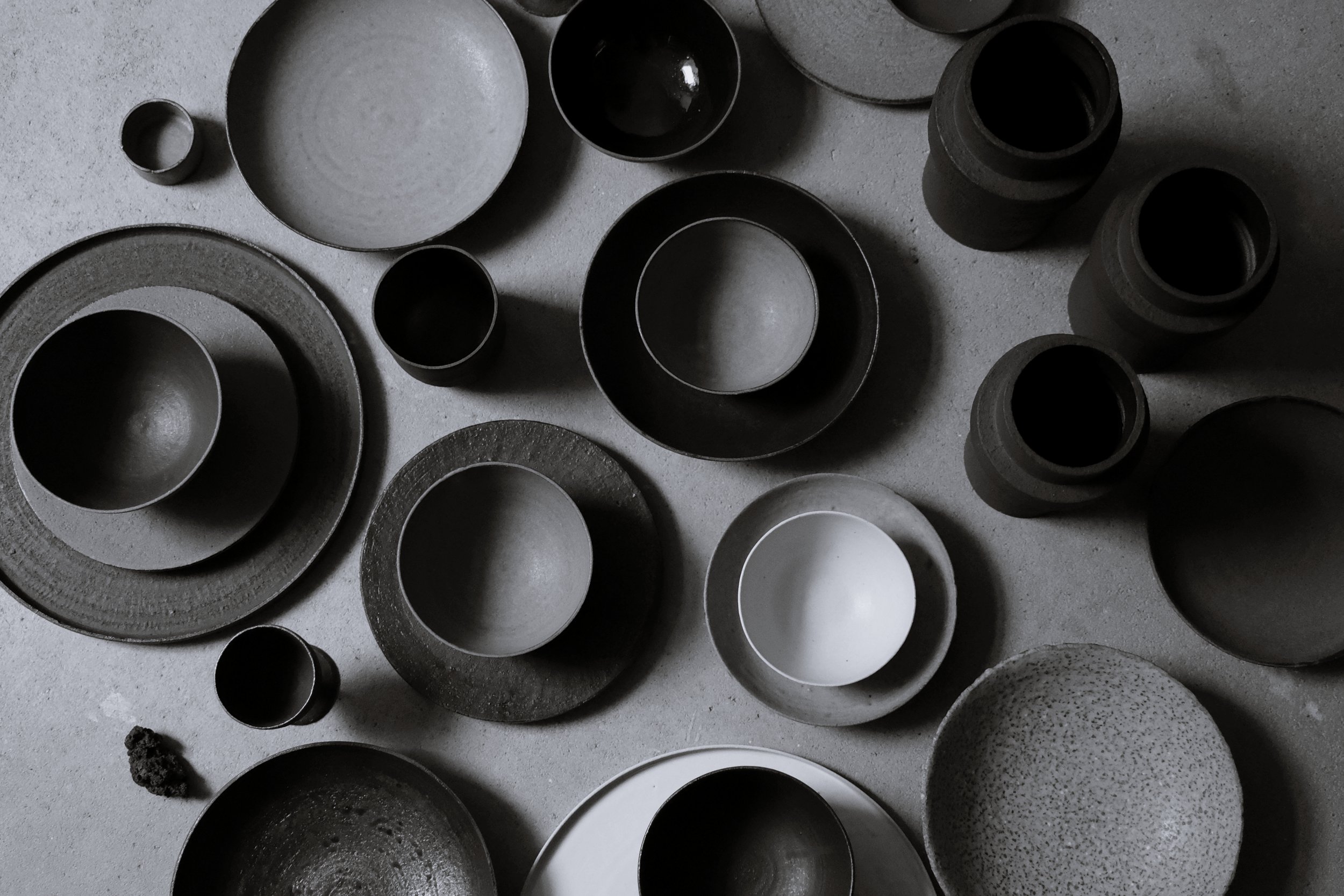
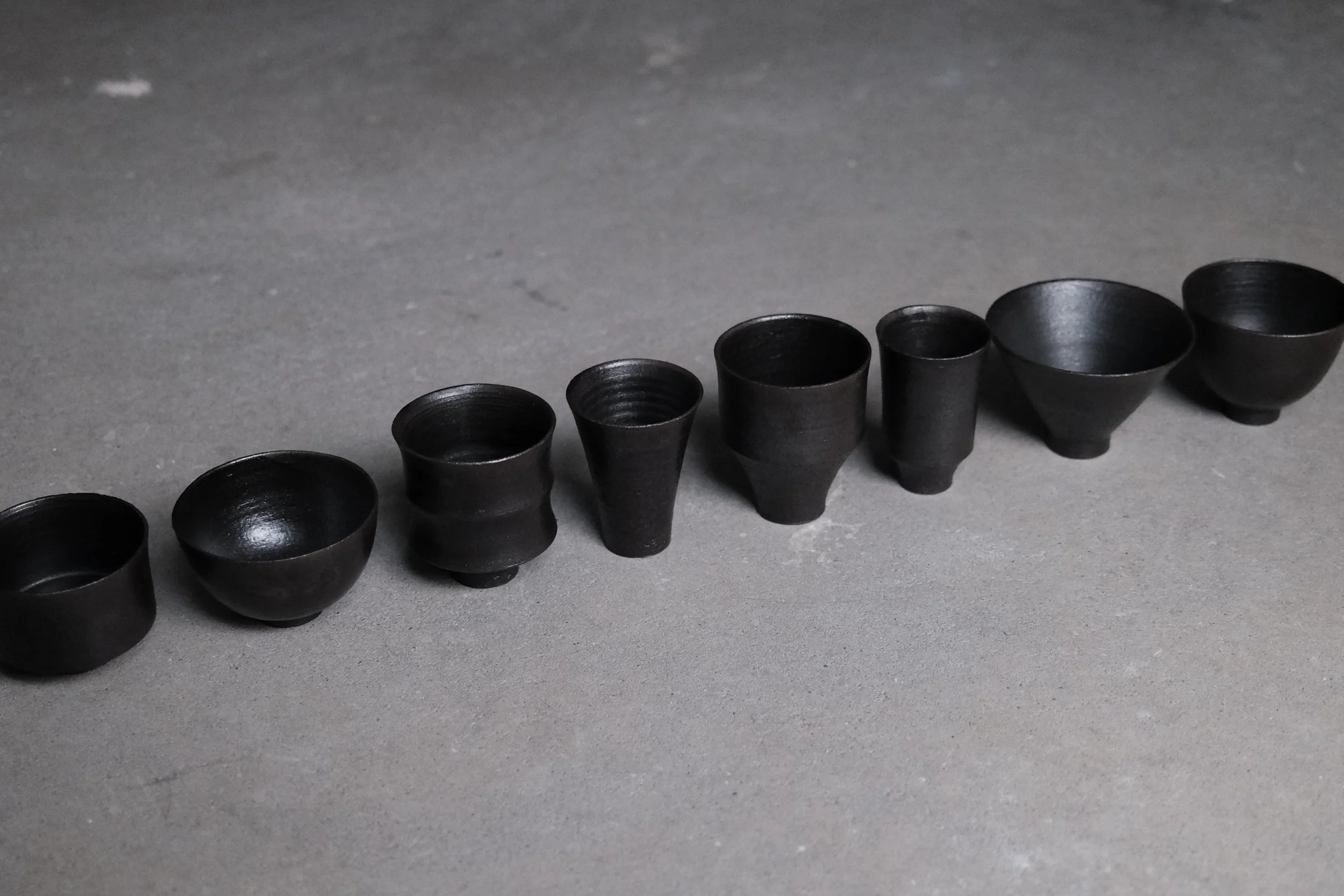
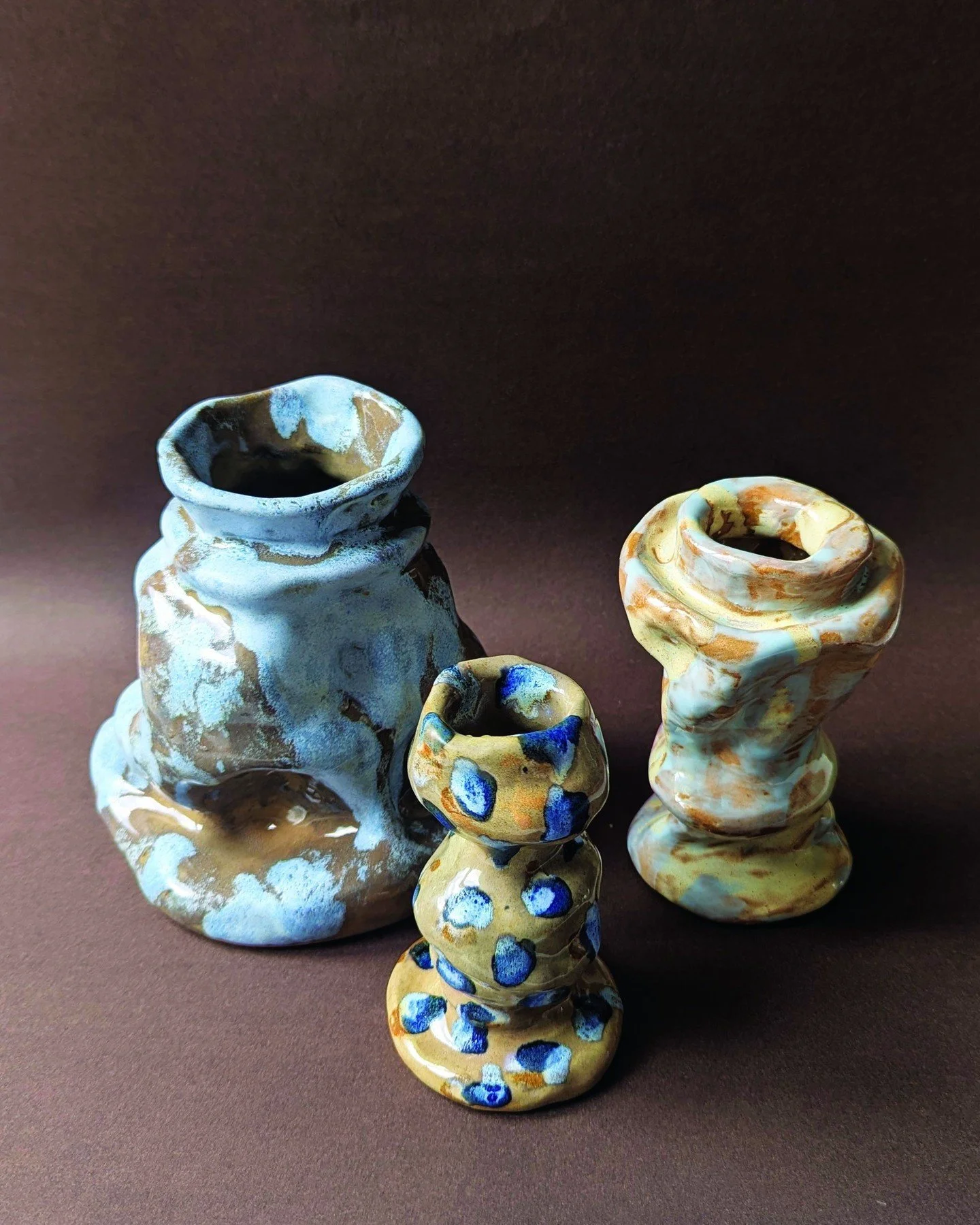
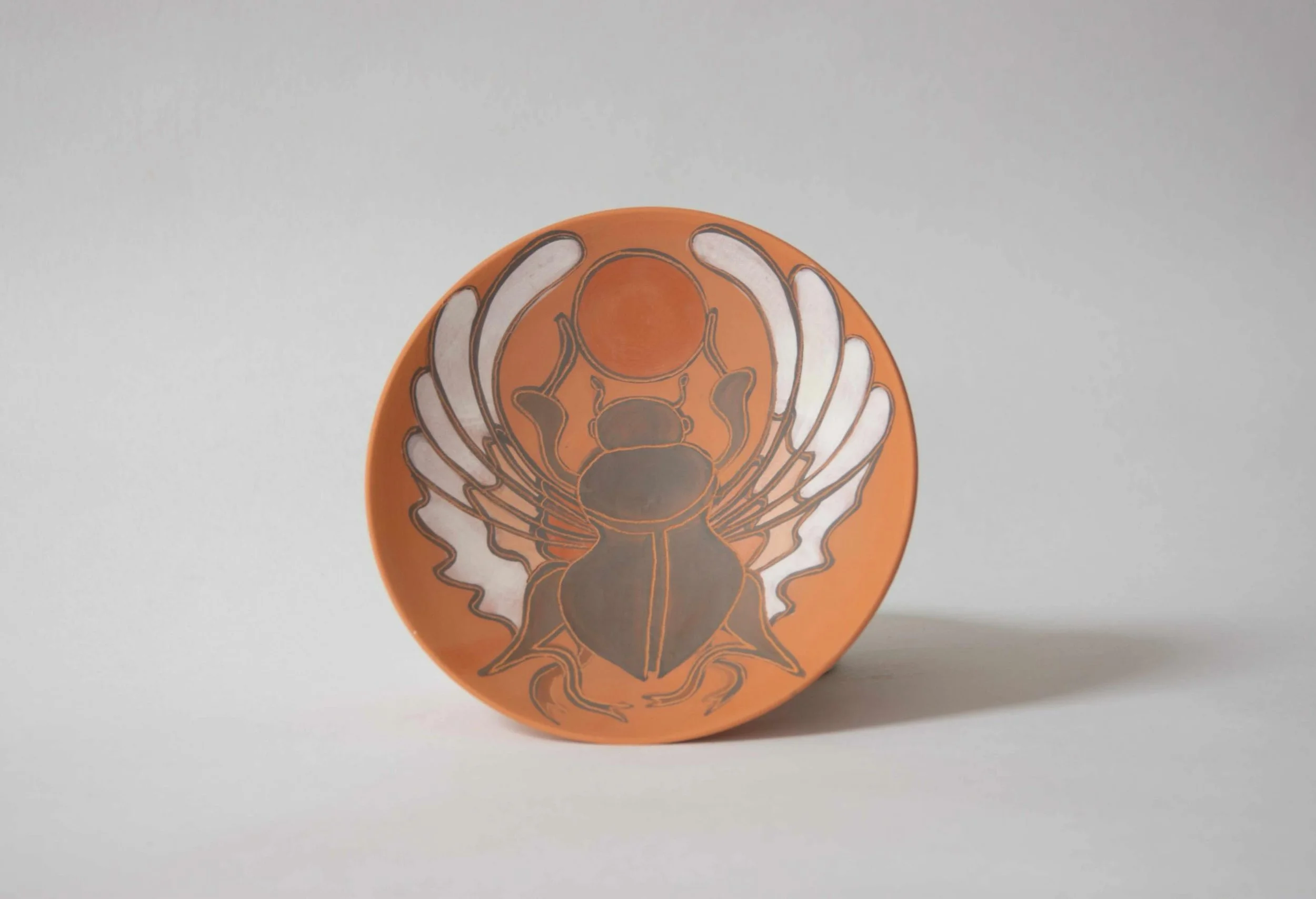
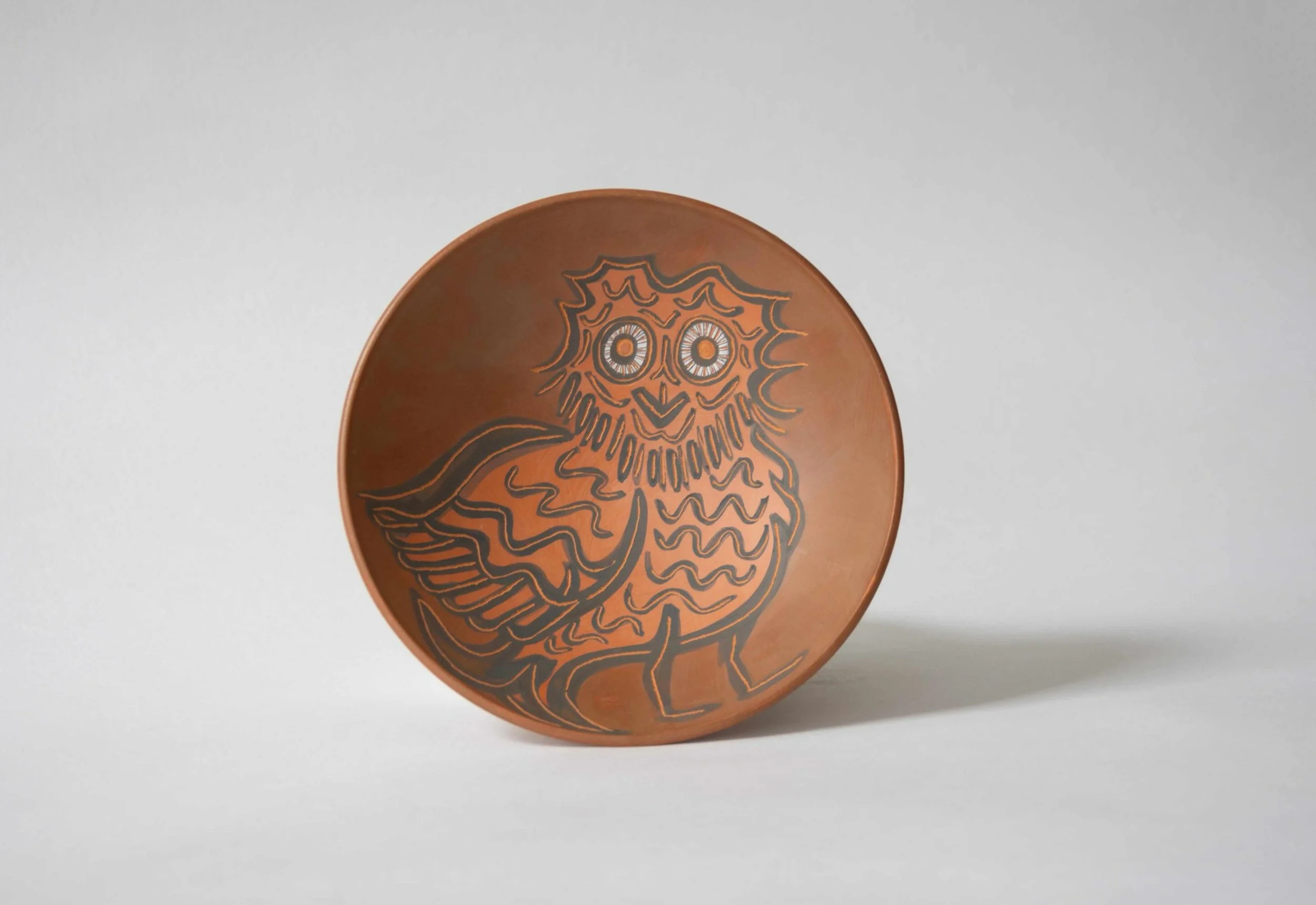
They are present everywhere in my work. Even in forms I create unintentionally, there is no stage untouched by the impressions of what I have seen and experienced growing up. In many ways, my pieces are a condensation of those memories and traditions. The standards and forms I consider to be perfect often already existed long before me, and I often find them in traditional Korean shapes. I reimagine and recreate these forms in my own way through my hands, allowing them to live again in the present.
How did your practice take root in Berlin, and what has the journey of shaping a studio and a life around your craft looked like for you so far?
Moving to Berlin was a very impulsive decision. At the time, I was living in Paris and happened to visit Berlin for the first time on a short trip. The contrast between the two cities left a strong impression, and Berlin felt like a better match for me. Shortly after that, I decided to apply for a working-holiday visa and move to Berlin.
Back then, there were not as many community studios or classes as there are now. I first started working at a place called Ceramic Kingdom, where I eventually also began teaching wheel classes. I later found a studio space in Marzahn, which used to be a power station inside an industrial area. It was my very first studio, and I loved the freedom of the place—playing music loudly, a fire pit in the yard where I could collect material, and experimenting without disturbance. The first few years were very slow, but during that time I practiced and studied consistently. People began to discover my work little by little, and the journey of building both a studio and a life around ceramics truly began from there.
Could you take us inside your creative process, from the first spark of an idea to the forming of a piece, and tell us what part of this journey feels most alive for you?
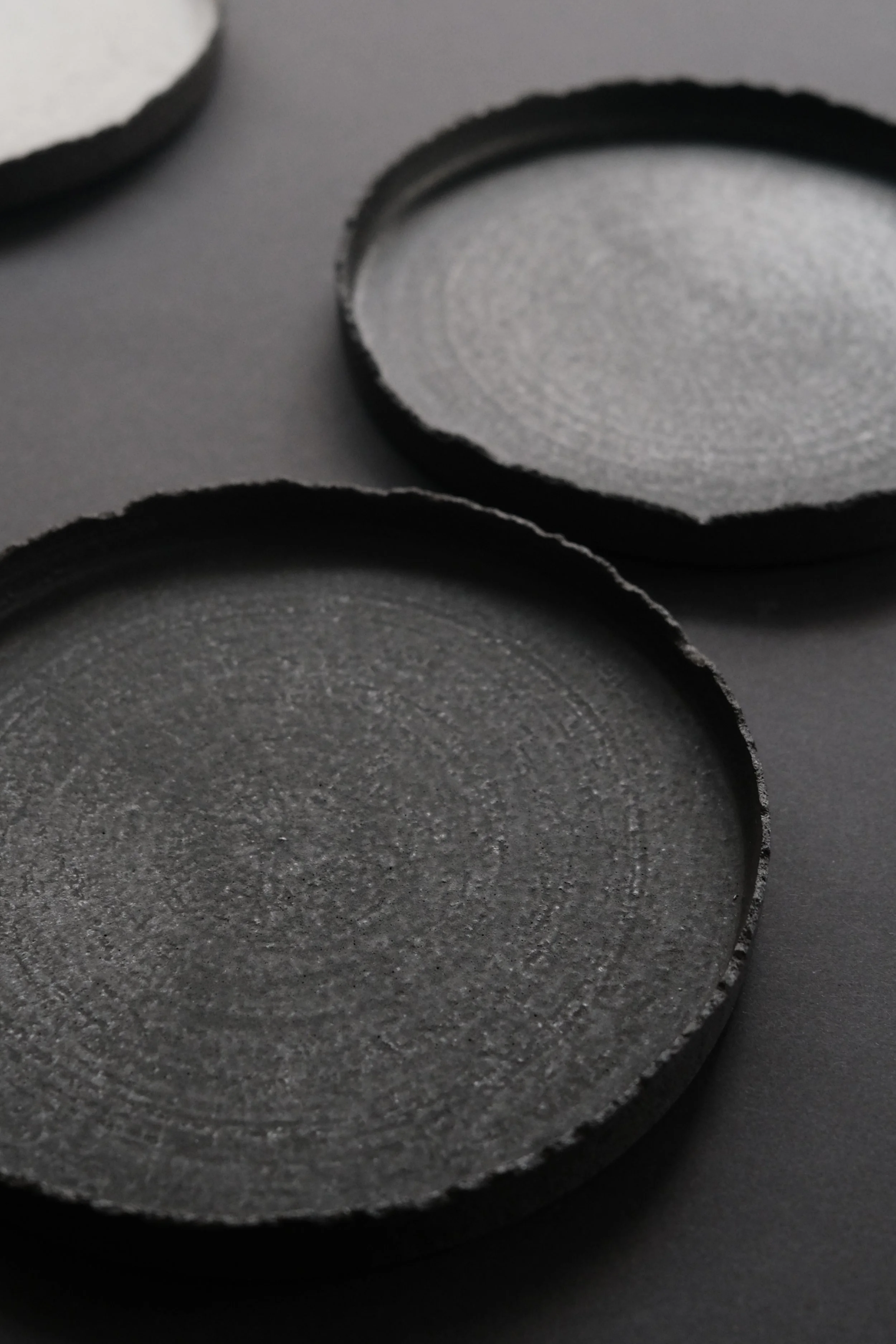
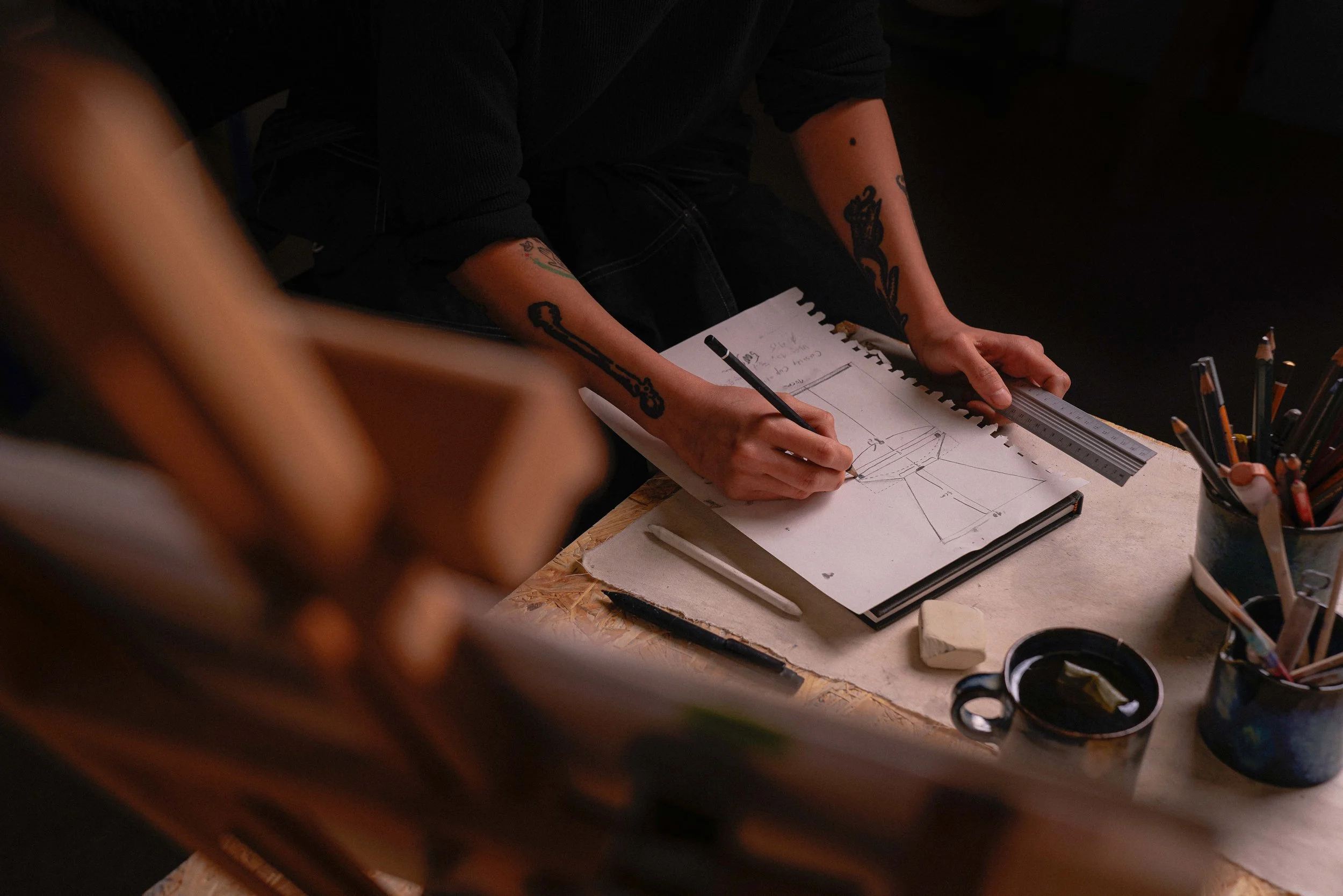
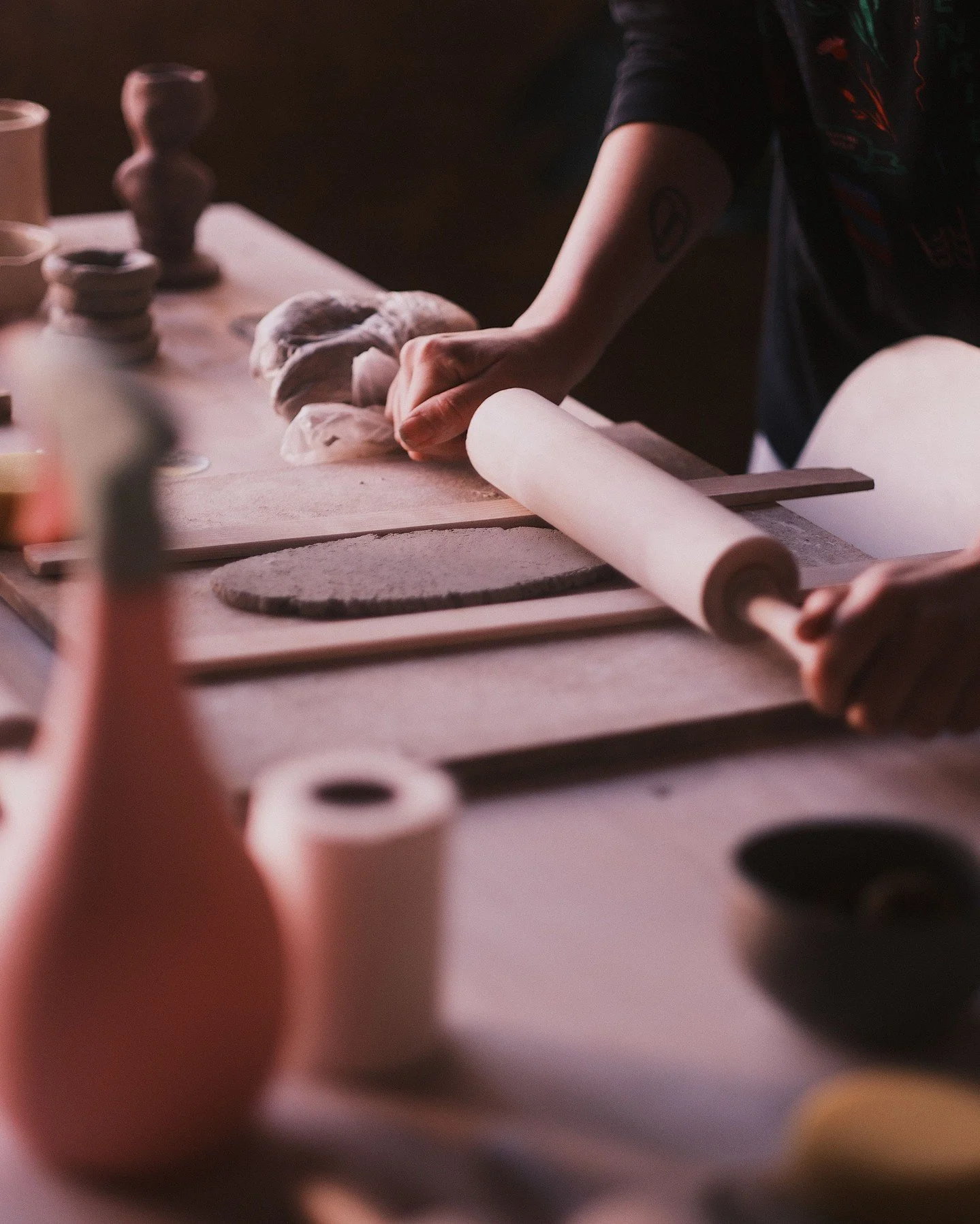
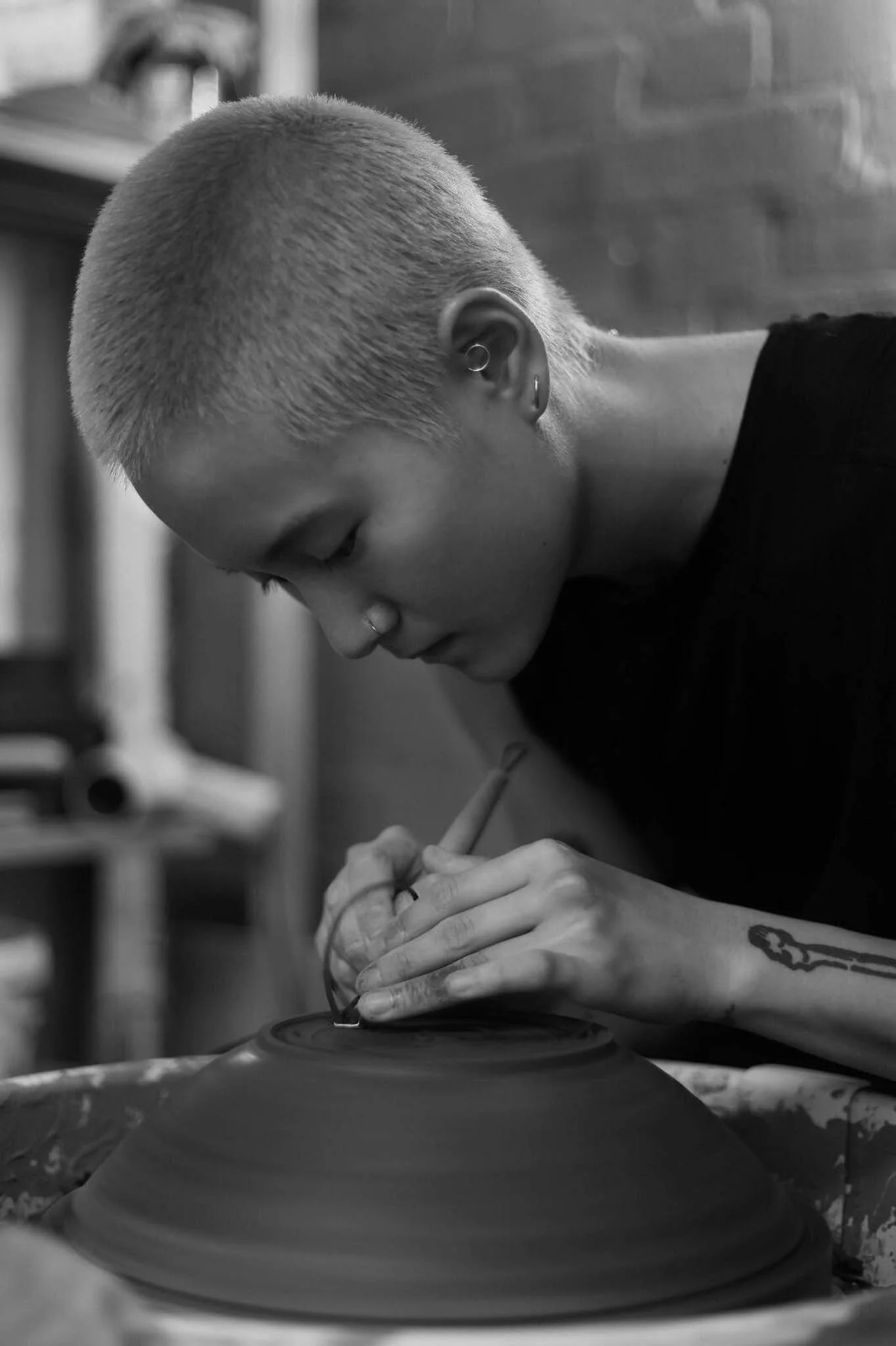
I rarely start with a fixed design. Instead, I carry a rough idea in mind and prefer to work directly on the wheel, letting the form develop through the process. I often create several versions and keep the one that feels right. So much of it depends on the feel of the clay and how it responds as I work. Because clay is unpredictable, sometimes it takes dozens, even hundreds of tests. Even if I have a perfect image in my head, I never know if it will come alive until I try.
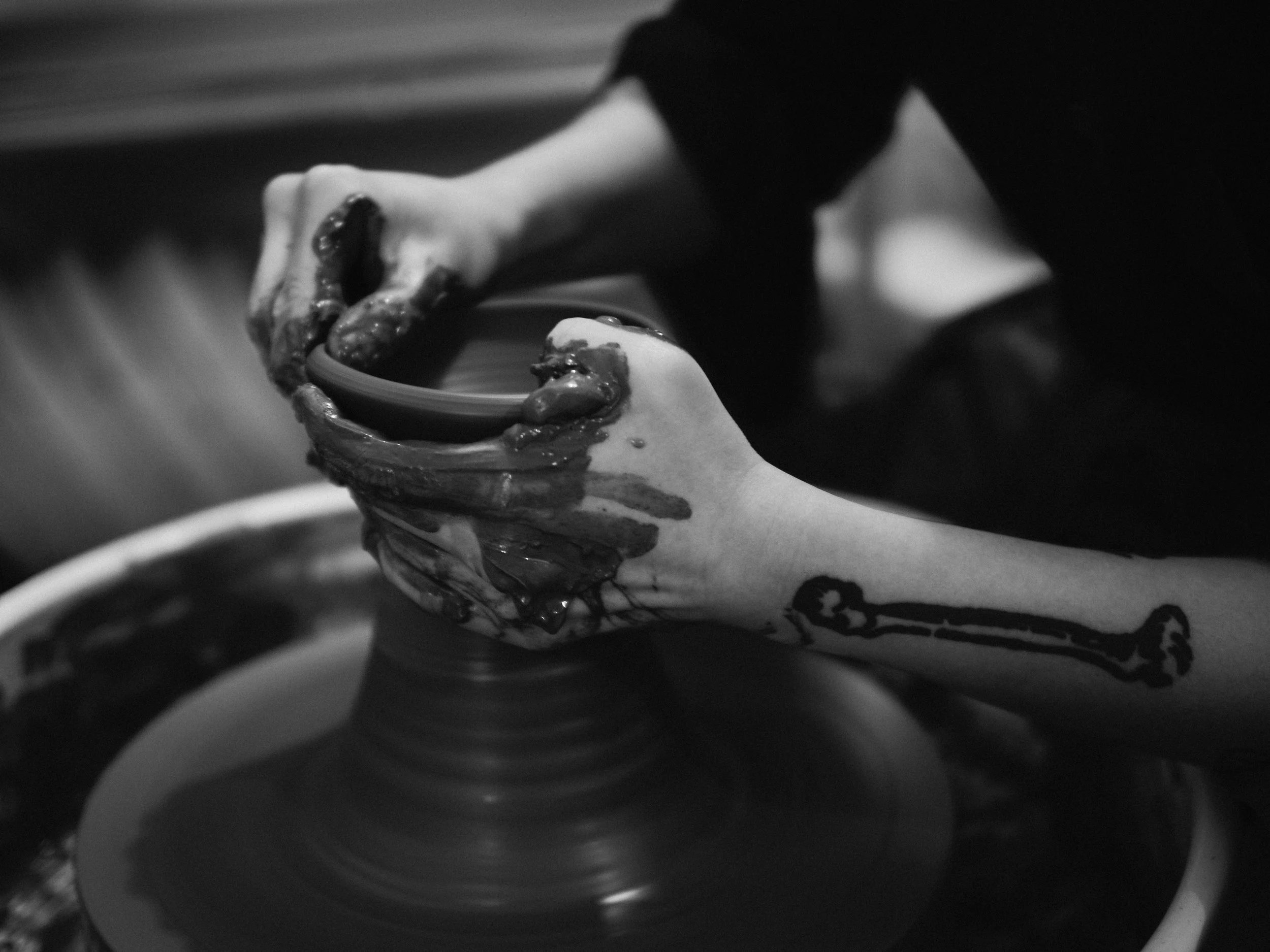
This is the part of the process I enjoy the most. It’s always challenging, it keeps me humble, and it reminds me that ceramics is an endless field. As the first craft in human history, it still offers countless ways to experiment and discover through its materials and tools. Even after more than a decade of work, I continue to make mistakes, and I know I will never fully “master” it. That is precisely what keeps it alive for me.
Alongside your own practice, you also teach the wheel. How has sharing your knowledge with others influenced your own relationship with clay?
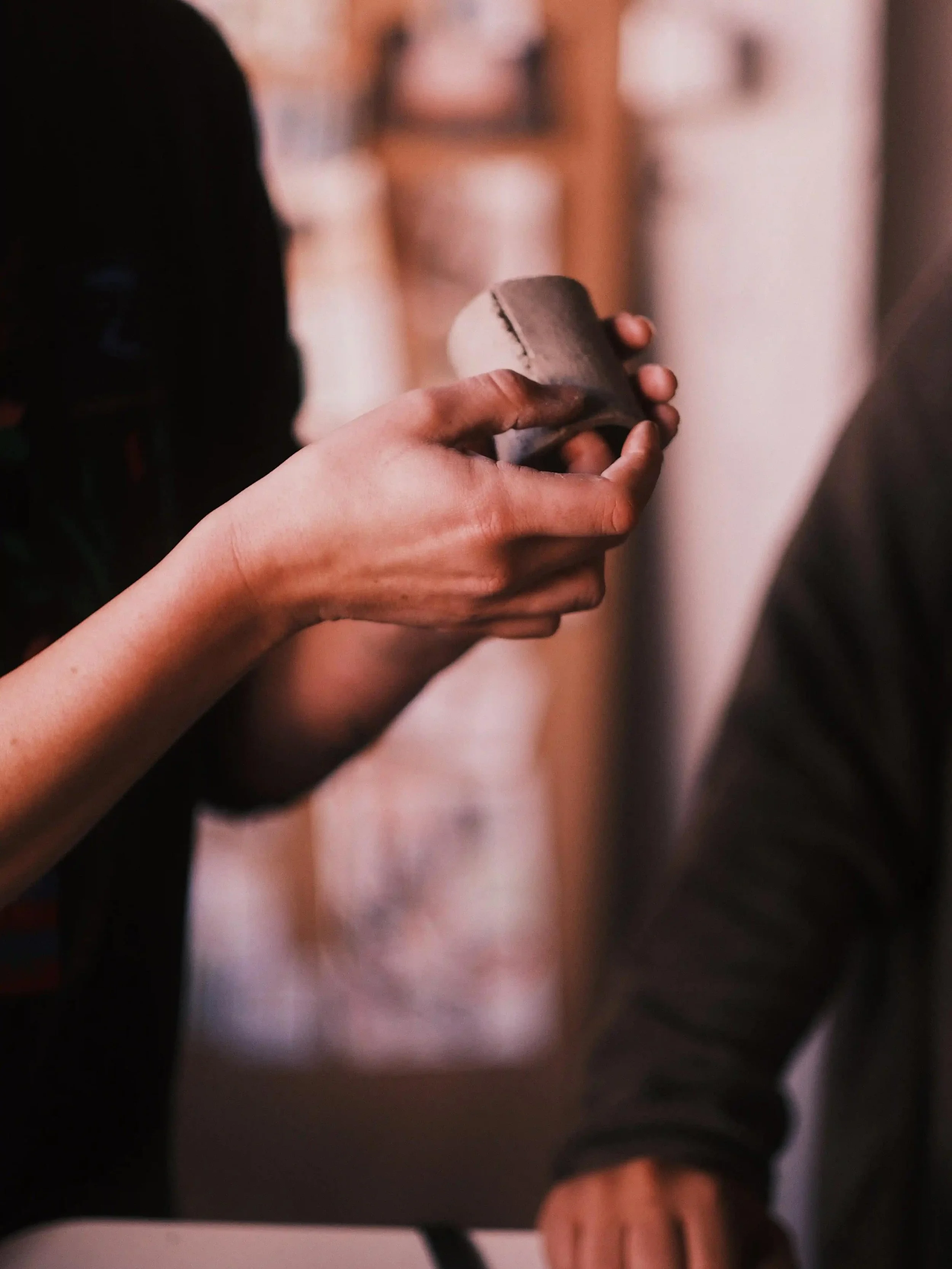
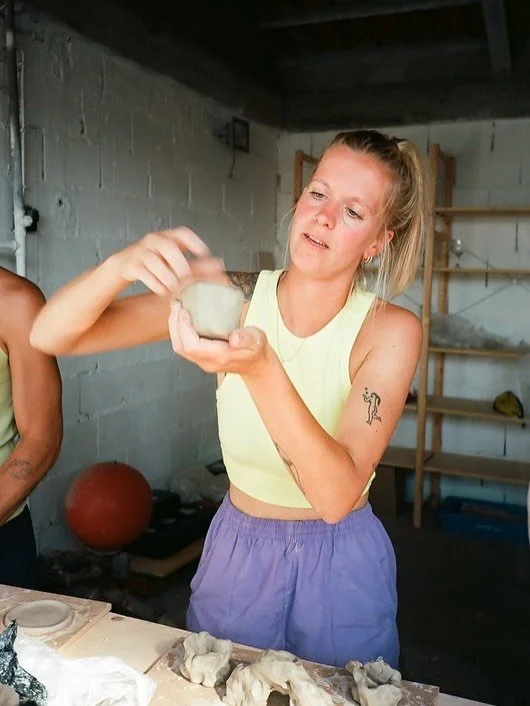
I’ve been teaching since 2019, and it has been a great opportunity for me to see myself more objectively. Working alone can sometimes lead me into my own spiral, but meeting people who are passionate about learning ceramics gives me fresh energy and a positive influence. As I guide students, I also discover more about how I work and where I can improve.
As my first teacher had a profound impact on me, I always try to do my best to pass on that same sense of encouragement and dedication to my students.
Where do you see the most meaningful possibilities for honoring and preserving traditional crafts in our contemporary world?
I see contemporary craft as deeply connected to traditional craft. It’s not only about technique, but about carrying forward the spirit of making by hand and recognizing its roots. To preserve tradition, we need to keep telling its stories, understanding its history, and respecting its cultural origins.
For example, recently I shared the history of Korean ceramics, and many people showed genuine interest. Korea was under Japanese colonial rule, and many aspects of Korean craft and techniques have been misunderstood as Japanese as a result. Without historical context, these truths can easily be overlooked. This is why continued awareness and dialogue are essential. For me, preserving traditional craft means practicing it while also carrying forward the spirit and knowledge of our ancestors.
Are there any new directions or projects you are currently exploring that you feel particularly excited about?
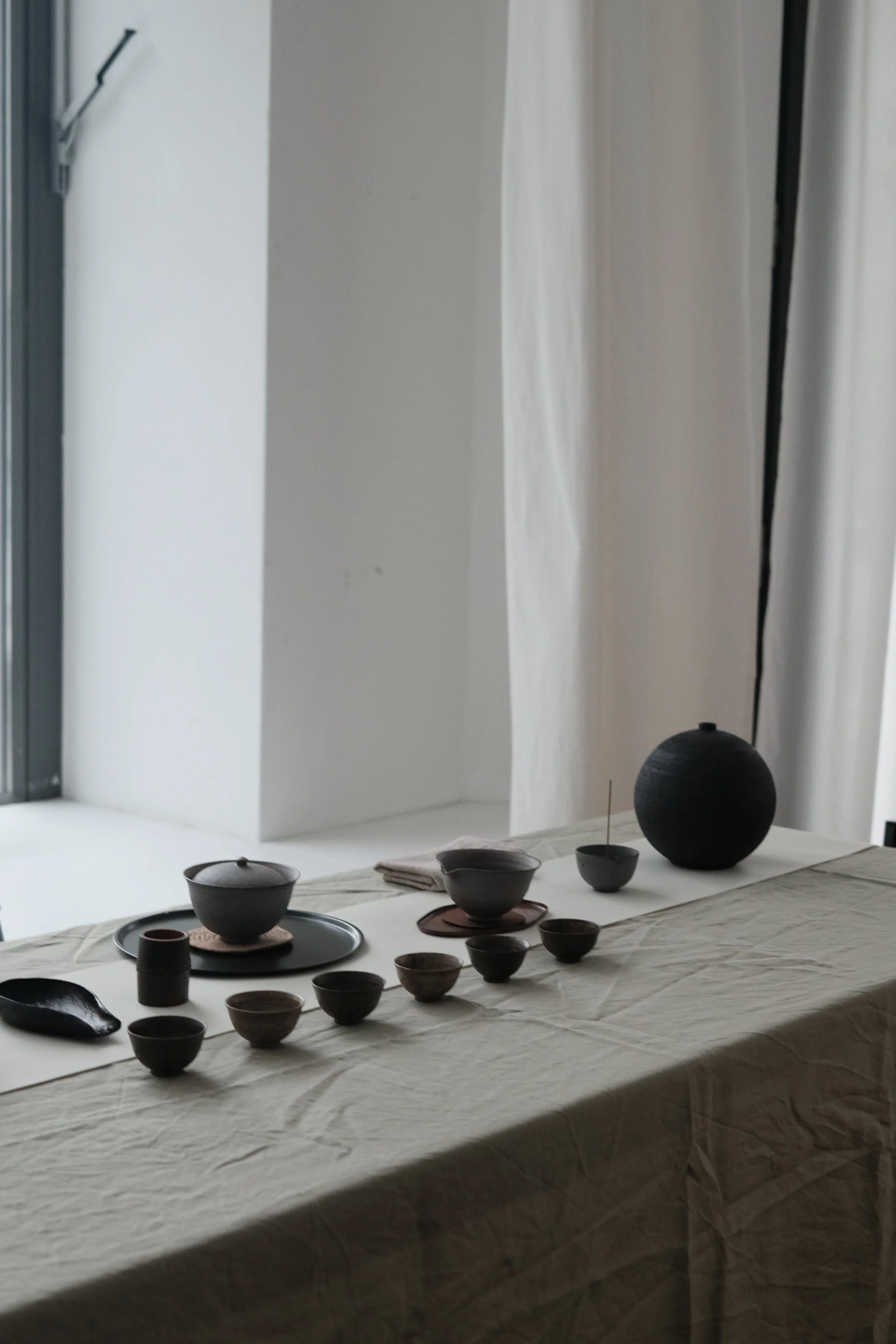
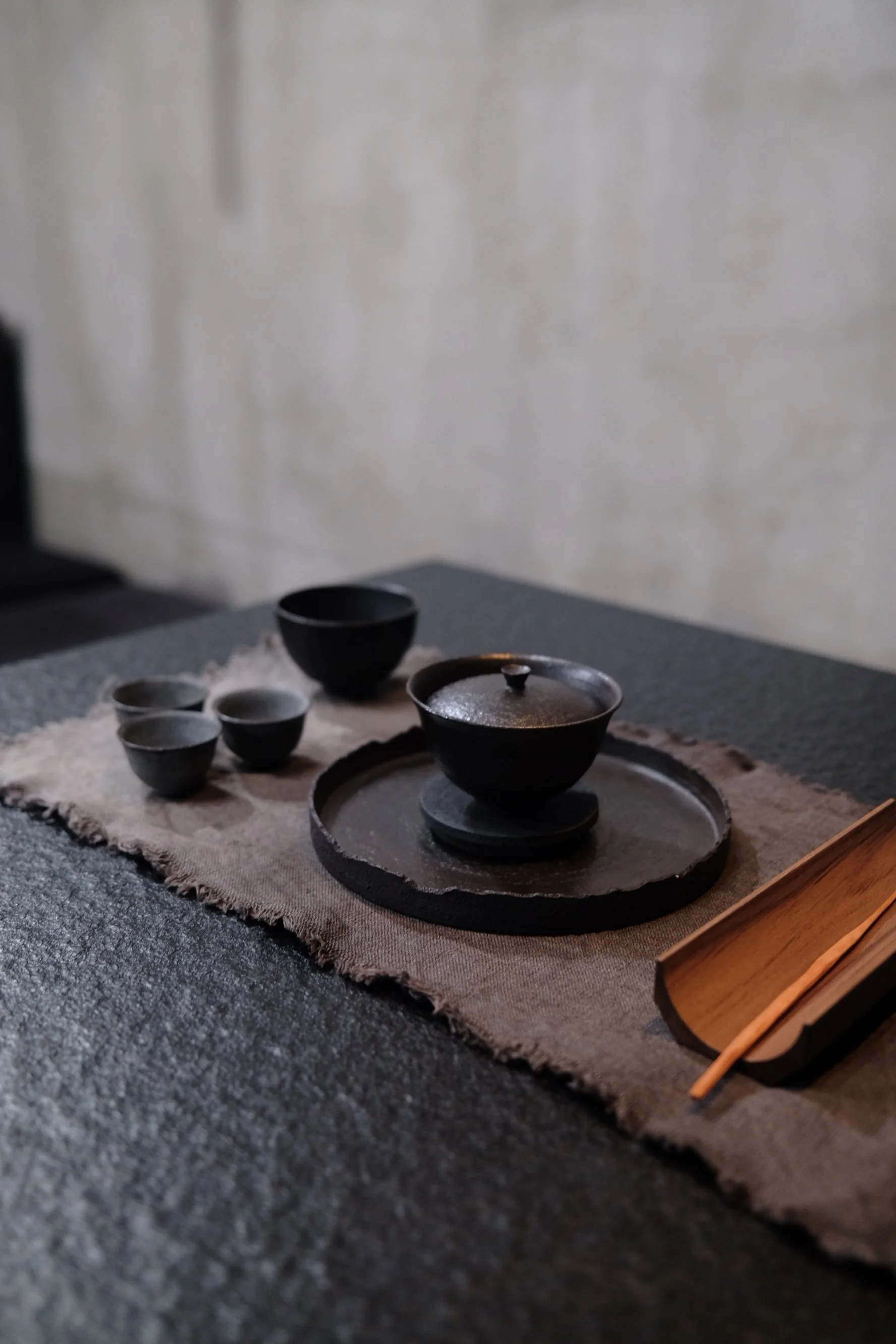
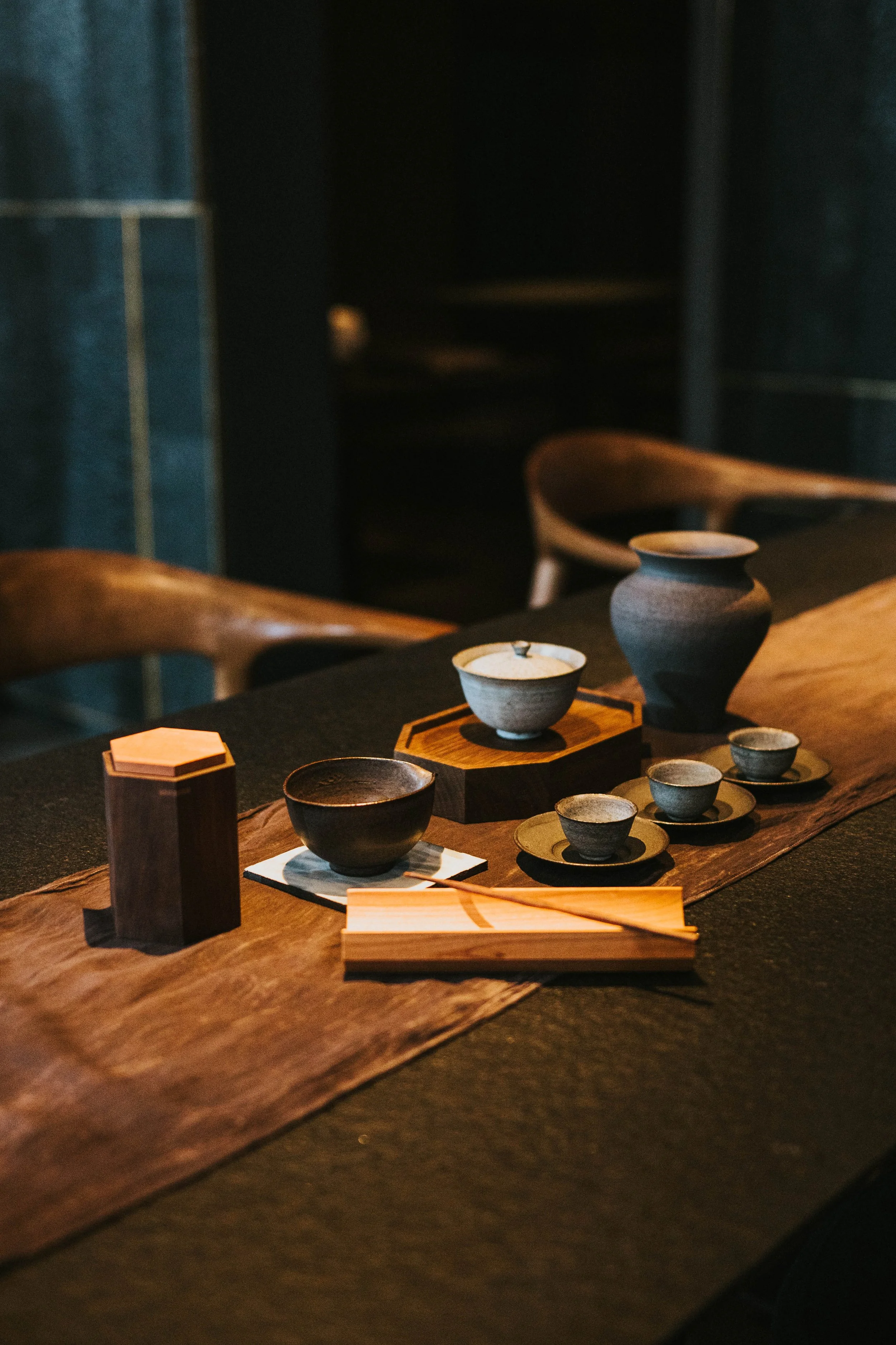
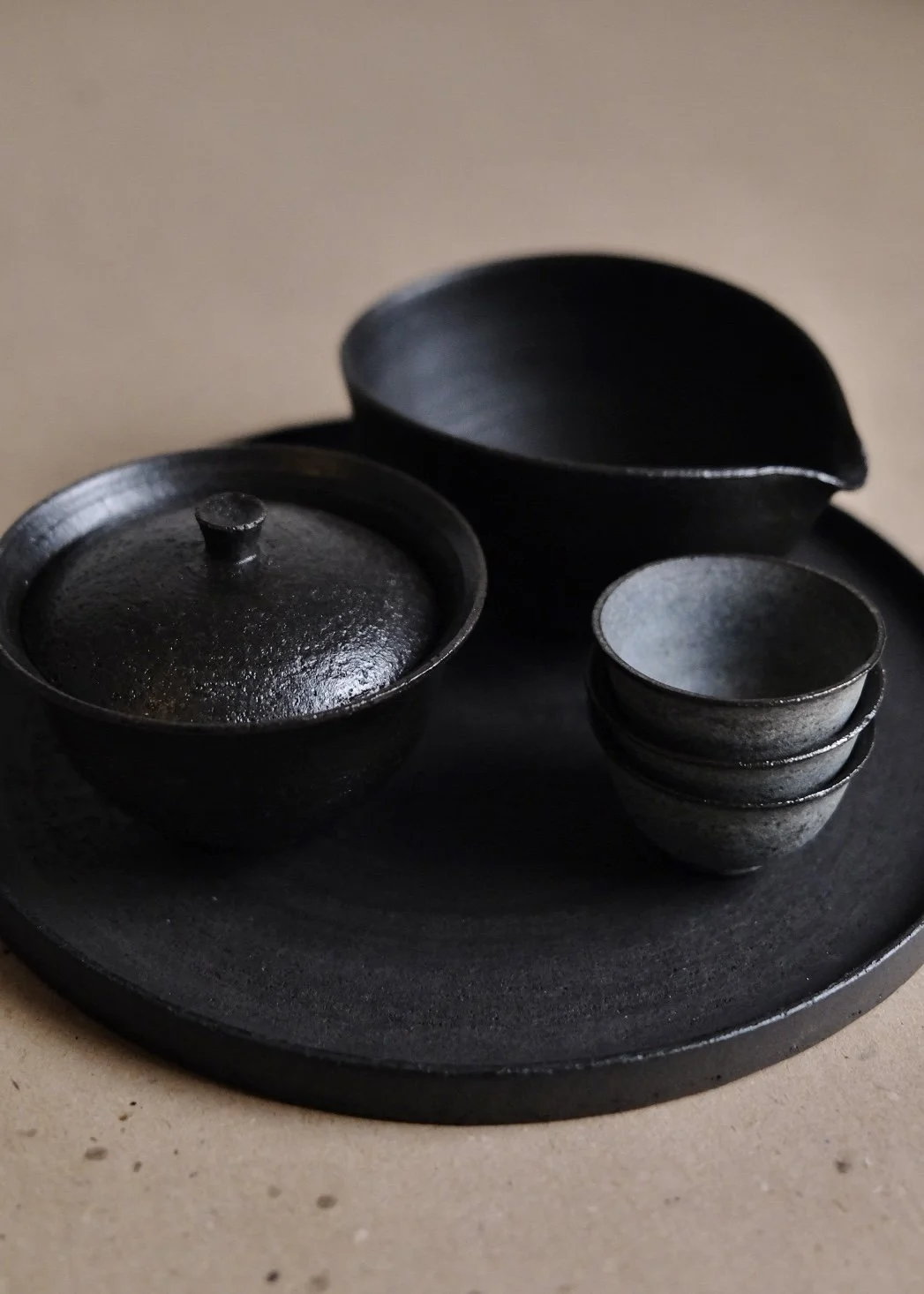
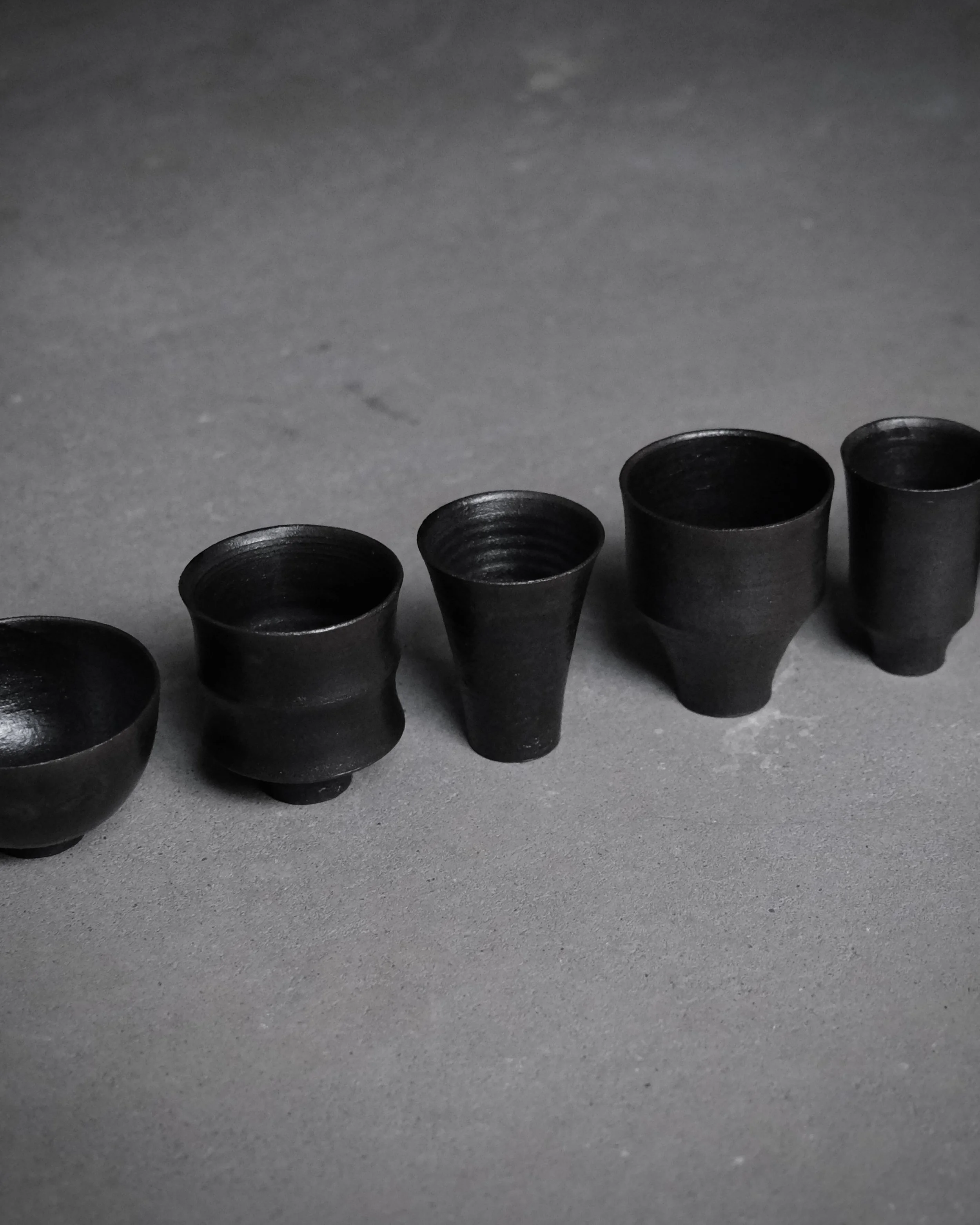
In recent years, I started drinking tea, and I have especially fallen in love with the culture of Chinese tea. This has led me to work on many tea-related projects with galleries, tea shops, and tea rooms. I spend much of my time exploring the best forms and functions for teaware, as the taste of tea can be affected by the way it is poured and the coat of glaze. It’s fascinating.
Recently, I also joined the Berlin Handcrafts Collective with fellow makers connected to tea, and together we will be participating in the upcoming Berlin Tea Festival in November.
Finally, where can people encounter your work and stay close to the pieces that are yet to come?
Instagram and my website are the easiest ways to see my recent work, but you are always welcome to send me a message or visit my studio in Friedrichshain. Or you can book a private class with me.
For those interested in purchasing, you can also find my pieces through stockists in Tokyo, Seoul, Berlin, and Flensburg, depending on your location. I do have an online shop, though not every piece is listed since I mostly work on a made-to-order basis. If you have an idea in mind, feel free to reach out to me directly.
[1, 3, 8] Photo: Seungha Lee
[4, 15, 16] Photo: Julien Cott
[12] Photo: Ania Margoszczyn
[14] Photo: James H
The rest by Saeam.