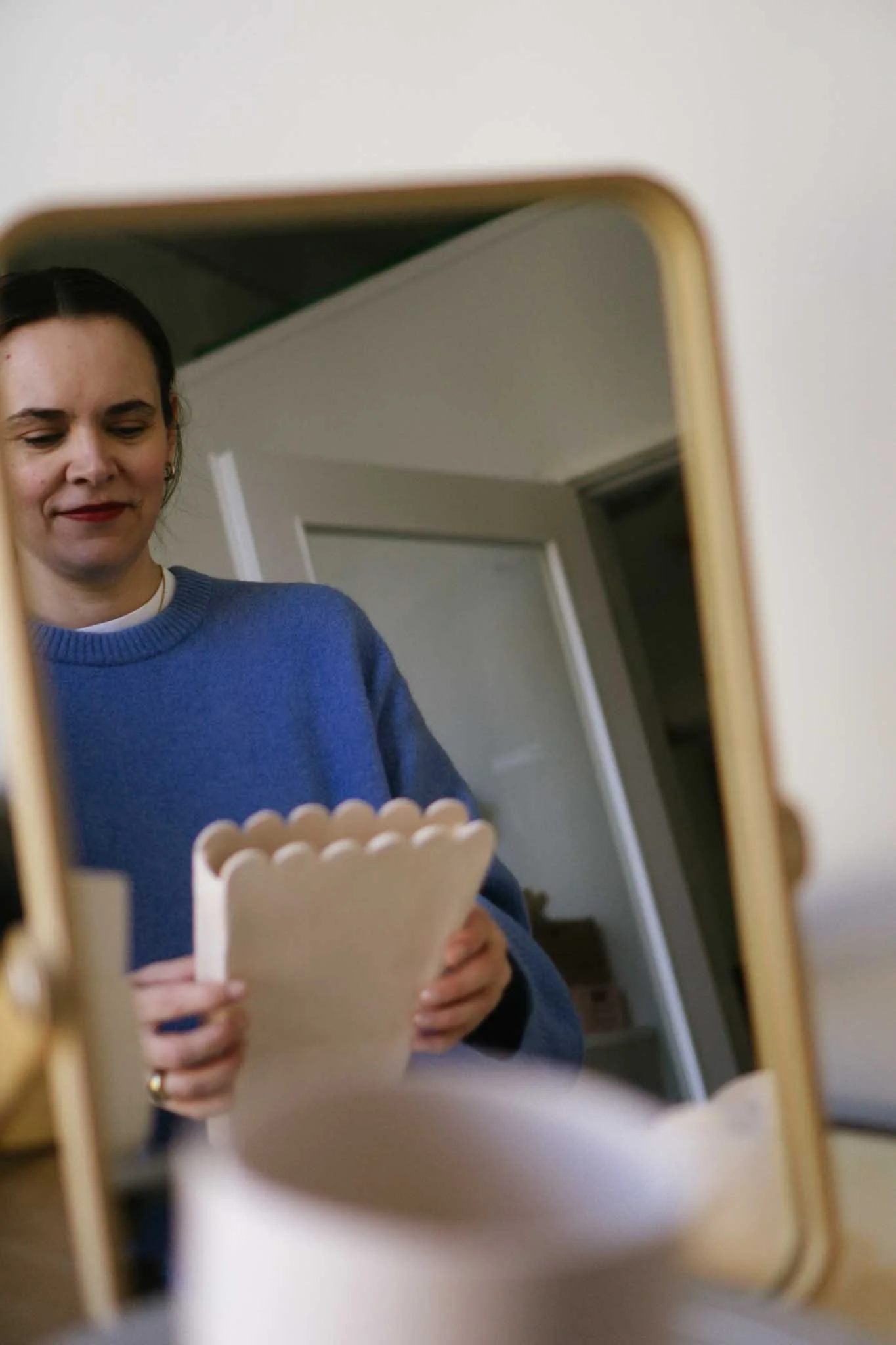
Charlotta Munsterhjelm
Please share a bit about yourself and your background.
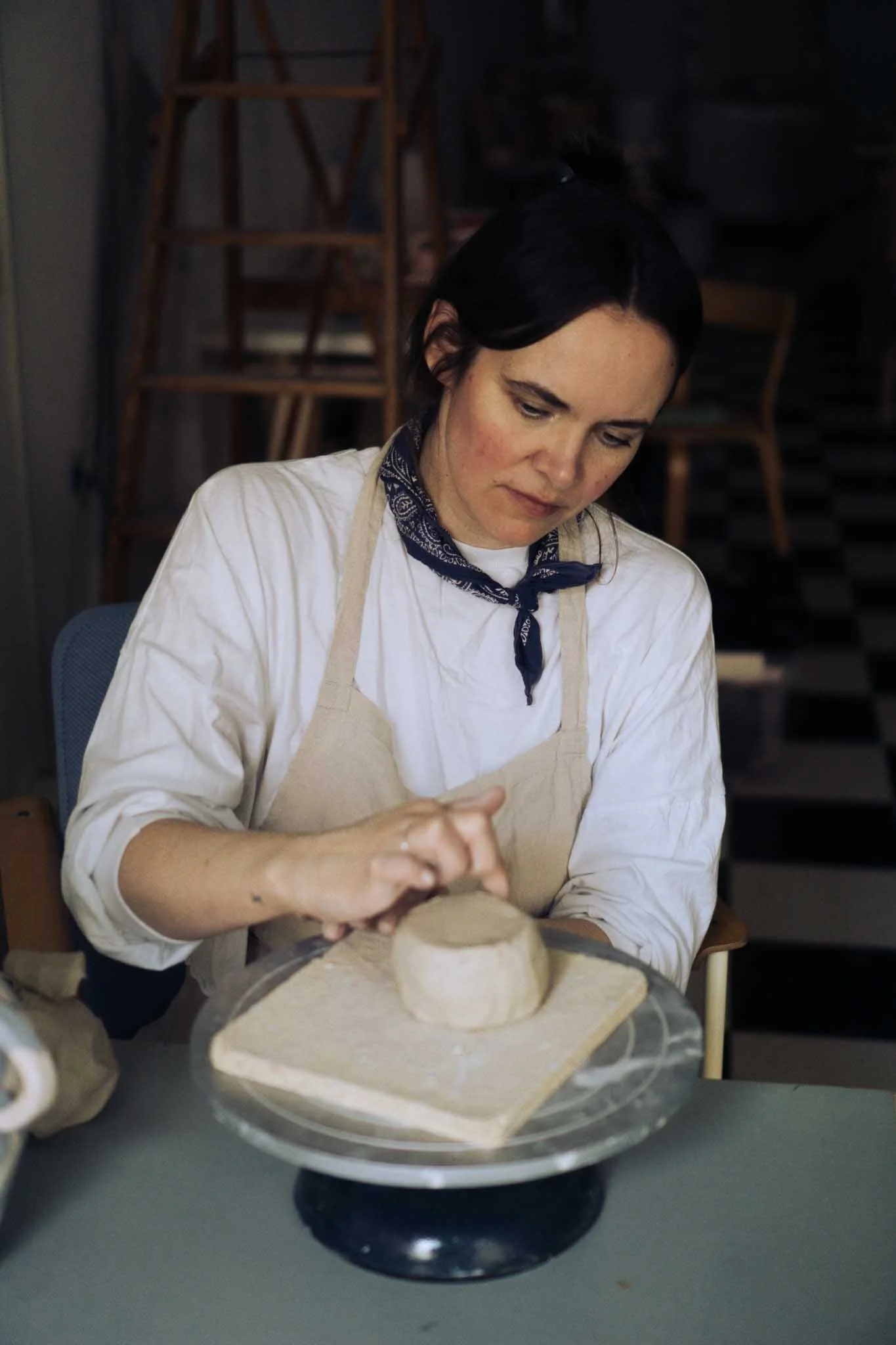
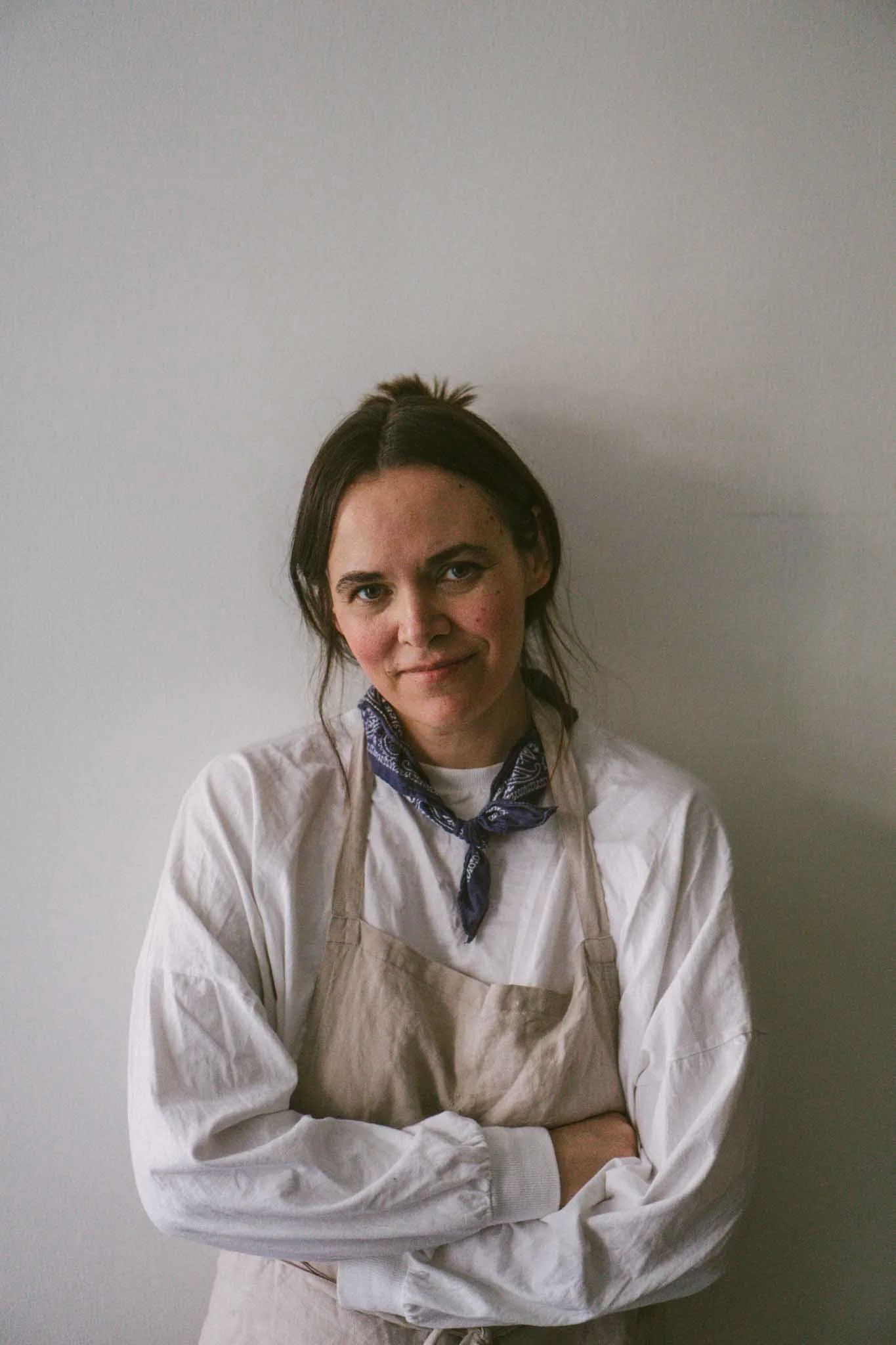
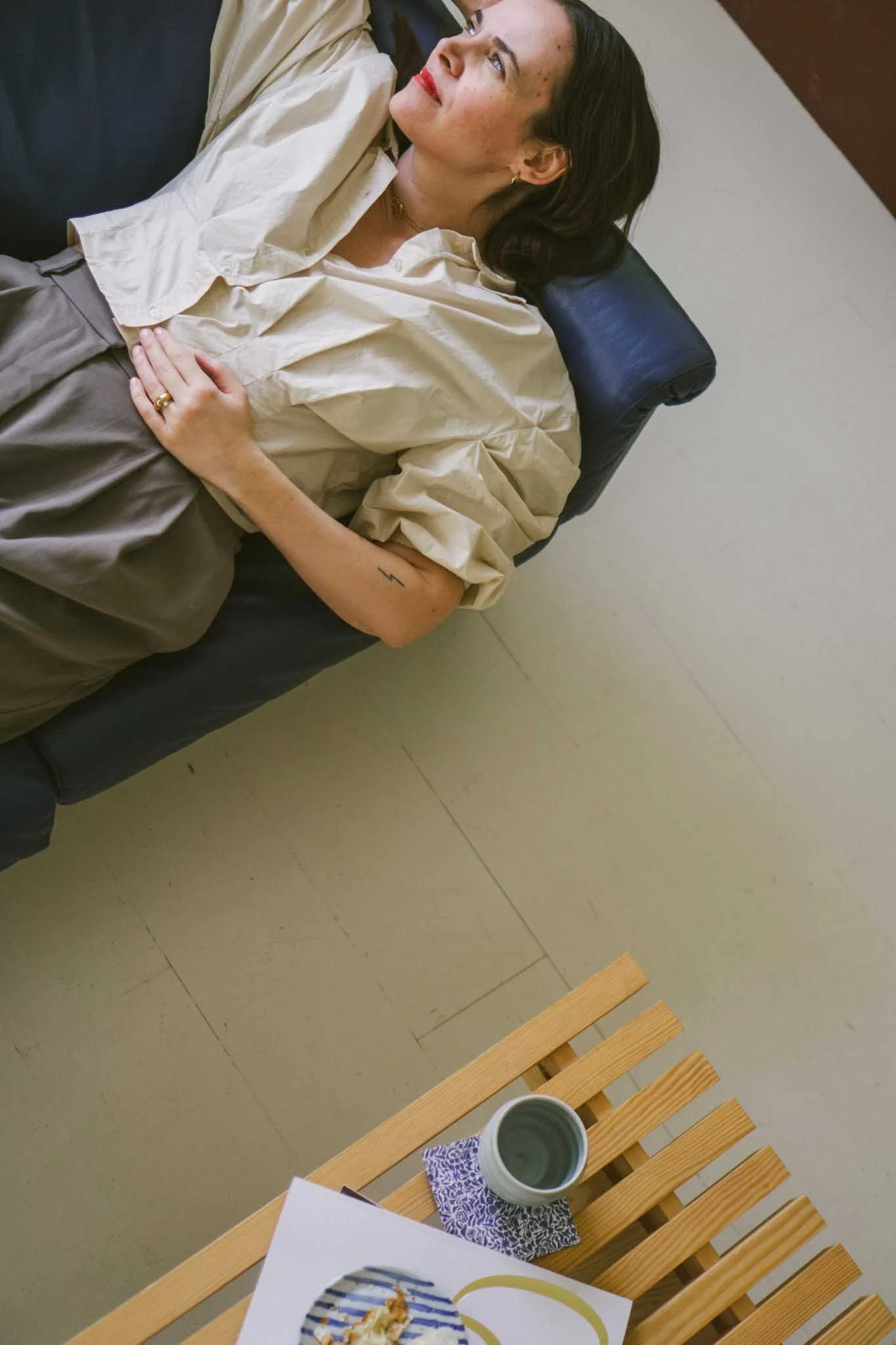
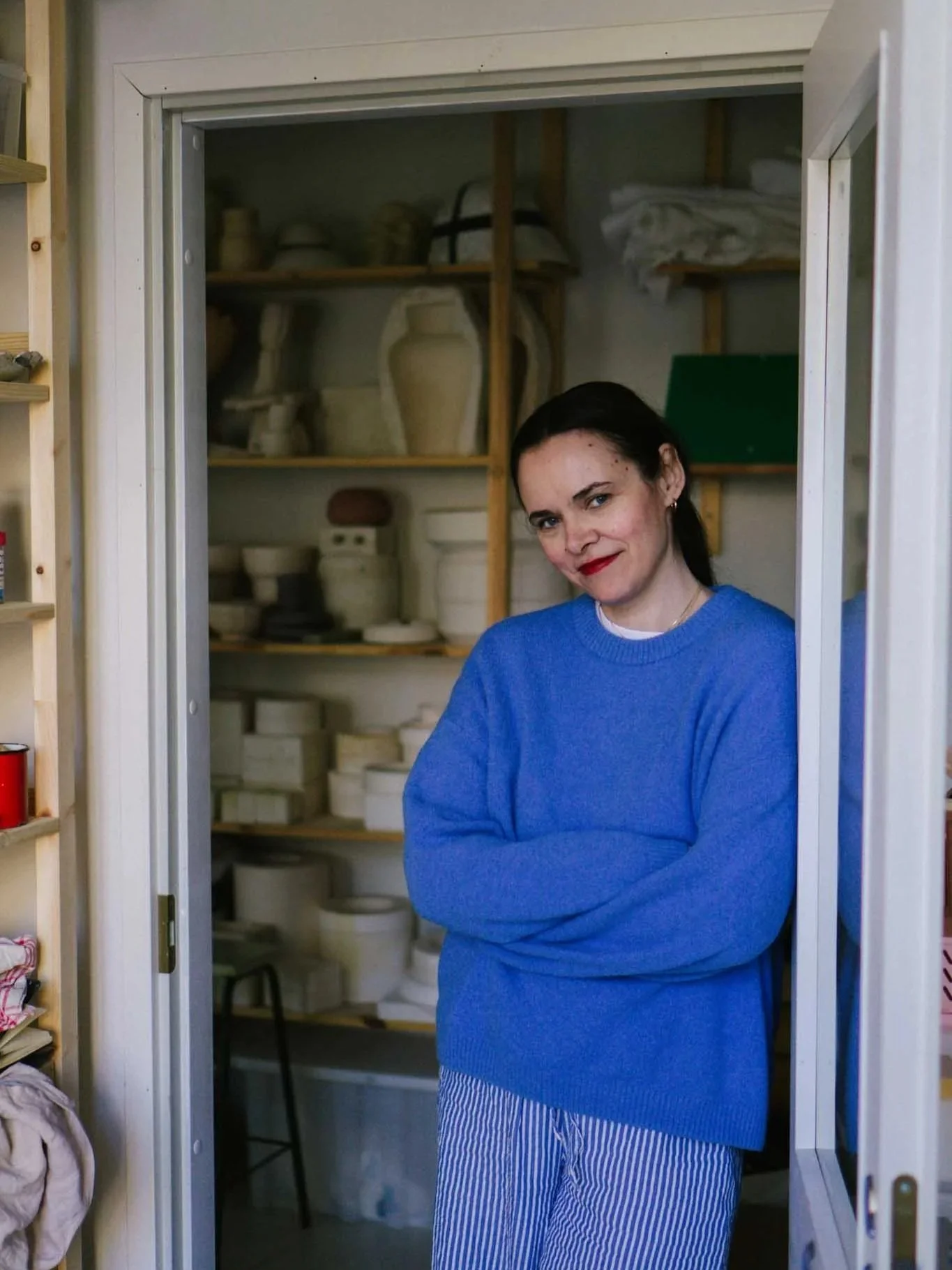
My name is Charlotta, and I’m 38 years old, living in Helsinki with my two small girls and a super supportive husband. My daughters keep me grounded and inspired, helping me live in the moment. I graduated in 2011 with a background in Media, working as a TV and advertisement editor and director since then. I've always been creative and sought different ways to express myself. In 2019, my husband gifted me a ceramics course, and I was instantly hooked. I applied to a ceramics school in 2021, initially intending to make it a hobby. However, I soon discovered a unique artistic expression, and after graduating in 2024, I decided to pursue it seriously.
Interestingly, my journey into ceramics has a connection to a food blog my husband and I used to run. We wrote a cookbook and maintained the blog, but eventually became overworked. When we got married, we consciously decided to let it fade, taking a much-needed break. During that time, I often found myself wishing for beautiful plates and items for our food photography, but they were often beyond our budget. I secretly dreamed of making them myself, which led to me expressing my desire to my husband, and he bought me the ceramics course as a gift. It feels like a wonderful full circle. I've always loved photography, and while it used to be food, now my ceramics provide a new focus for my lens.
What first drew you toward ceramics as a way to express your creativity alongside your editorial work?
Ceramics offered a unique escape from my editorial work, demanding complete focus and freeing me from external distractions and client-driven decisions. This newfound autonomy was a significant change, allowing me to be the one in charge of the creative process.
In my ceramic world, there are no rules, and that freedom is incredibly exciting. Now that I've graduated, I can push the boundaries and explore my creative vision without limitations, which my teachers wouldn't have allowed before.
Could you walk us through your creative process, from the first spark of inspiration to the making of a piece, and share what part of it excites you the most?
My inspiration comes from everyday moments, especially when my mind is at rest, as it's nearly impossible to force creativity. When I'm seeking a new form, I trust my mind to deliver it after processing. This often happens a week later, when I'm singing a lullaby to my child, or while walking in the forest, exercising, or resting.
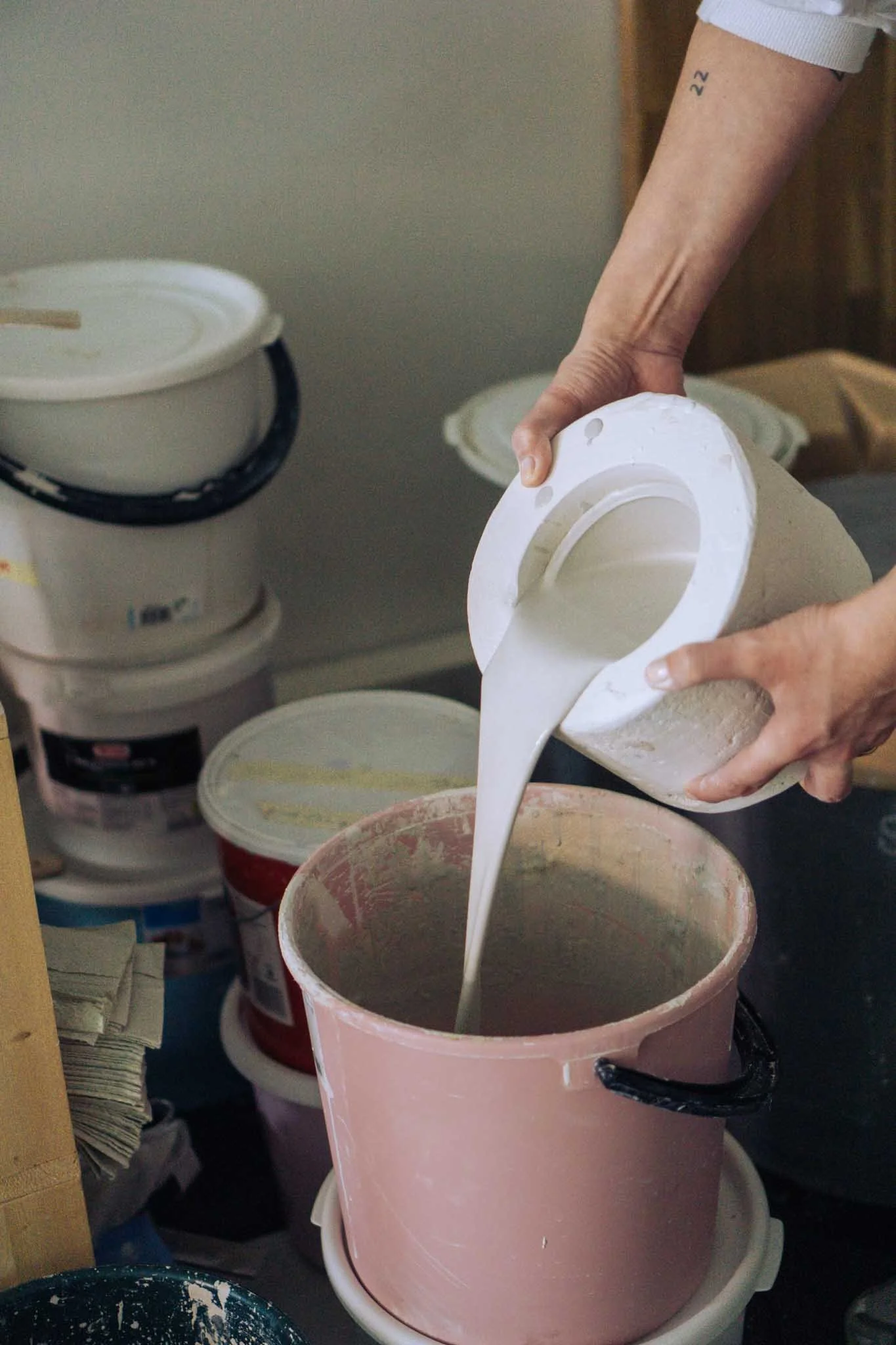
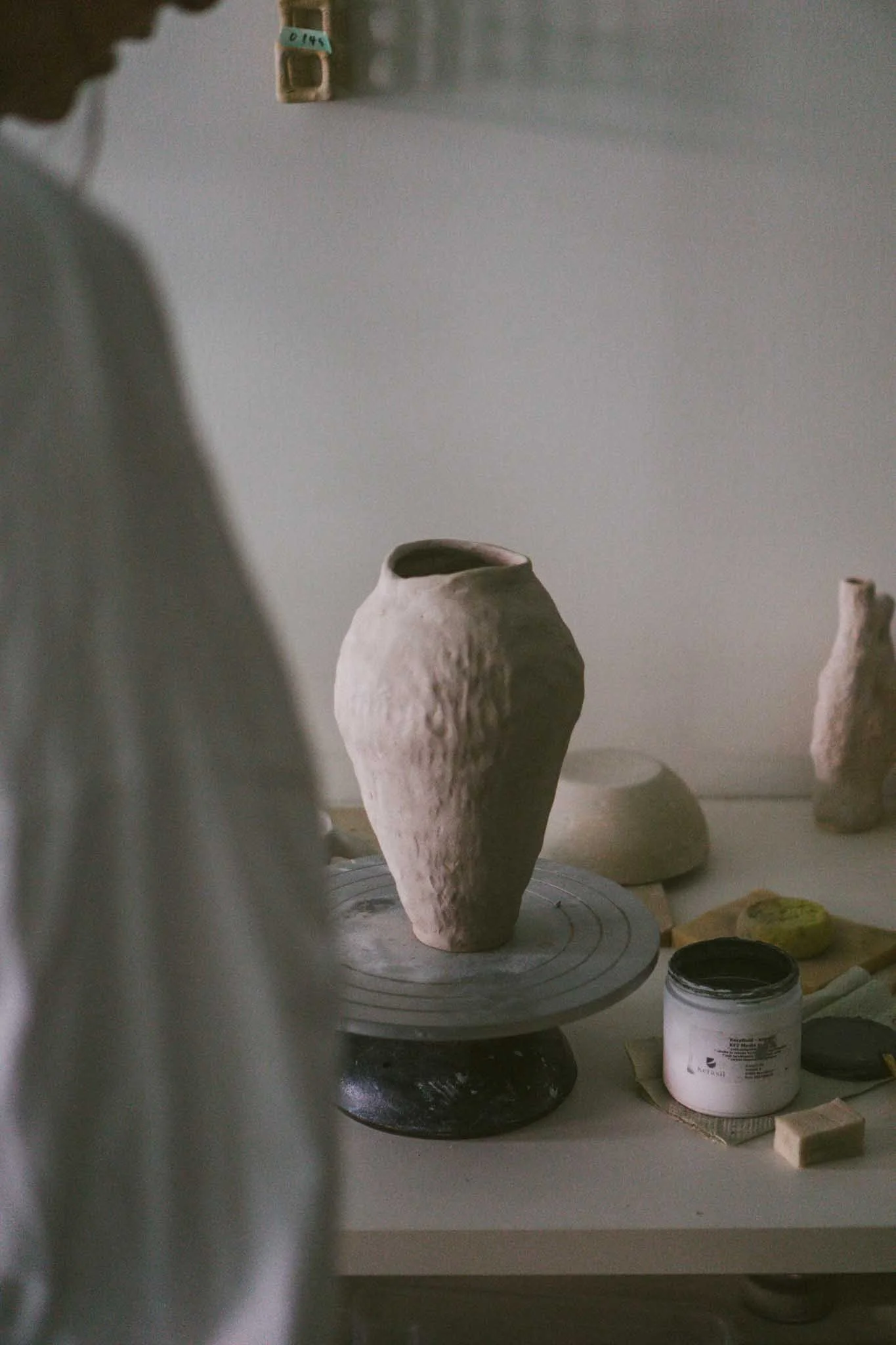
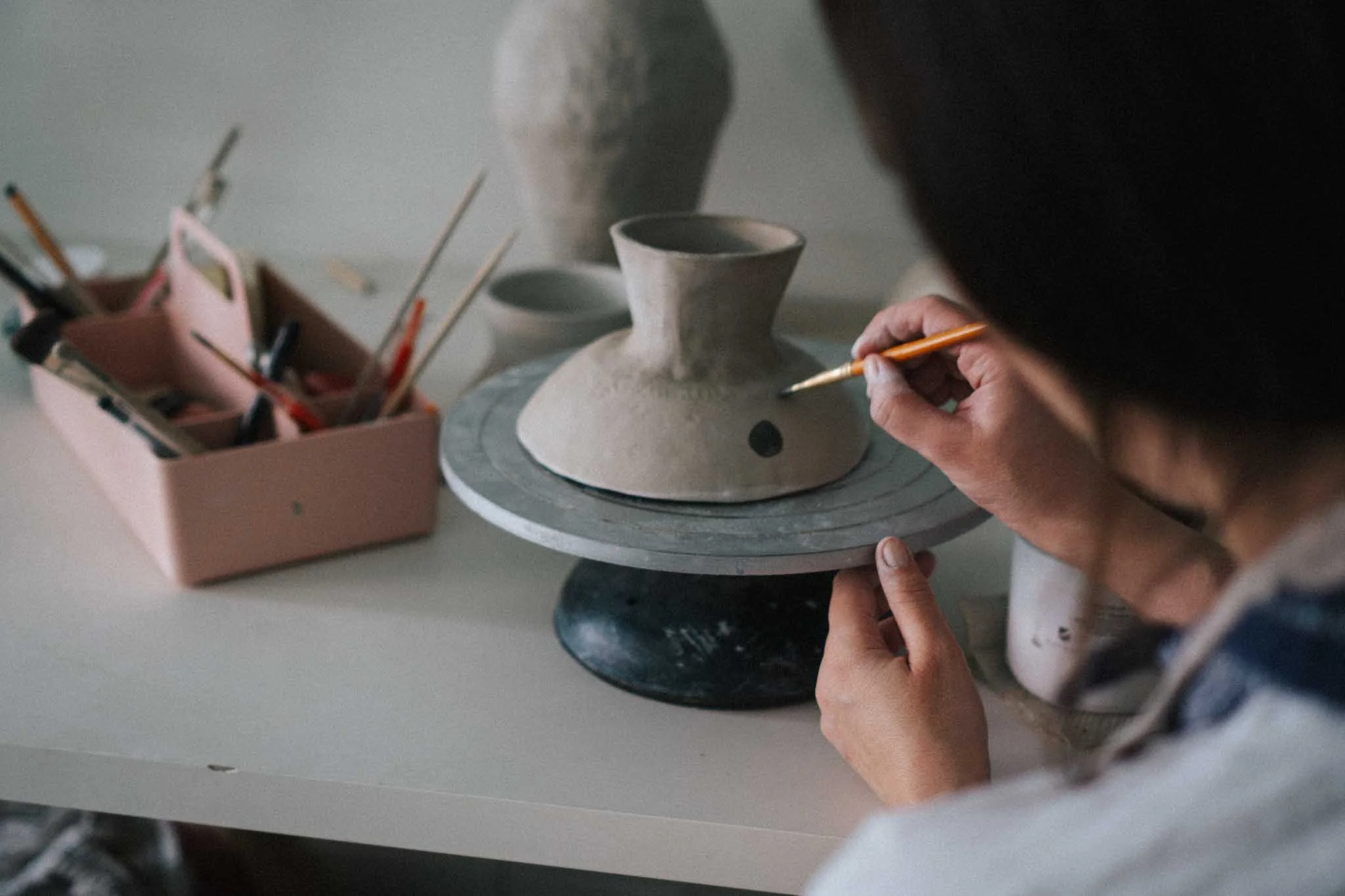
The most exciting part of the process is when I get to test a form, and it works. Ceramics is a slow art form, with weeks passing from the initial touch to the finished piece. It's ironic that I chose this art form, given my restless nature, but perhaps it's a beneficial contrast. I often find my best ideas emerge when putting my children to sleep, in the quiet, dark, and calm environment, as my mind drifts to another place. It's as if my mind knows it's a safe space to generate new ideas. I've learned that forcing new ideas is counterproductive; sometimes, I just need to stop for a while, and the inspiration will come when it's ready.
Your pieces celebrate playfulness, color, and unexpected forms. How do you embrace trial, error, and experimentation in your practice, and what role does imperfection play in your work?
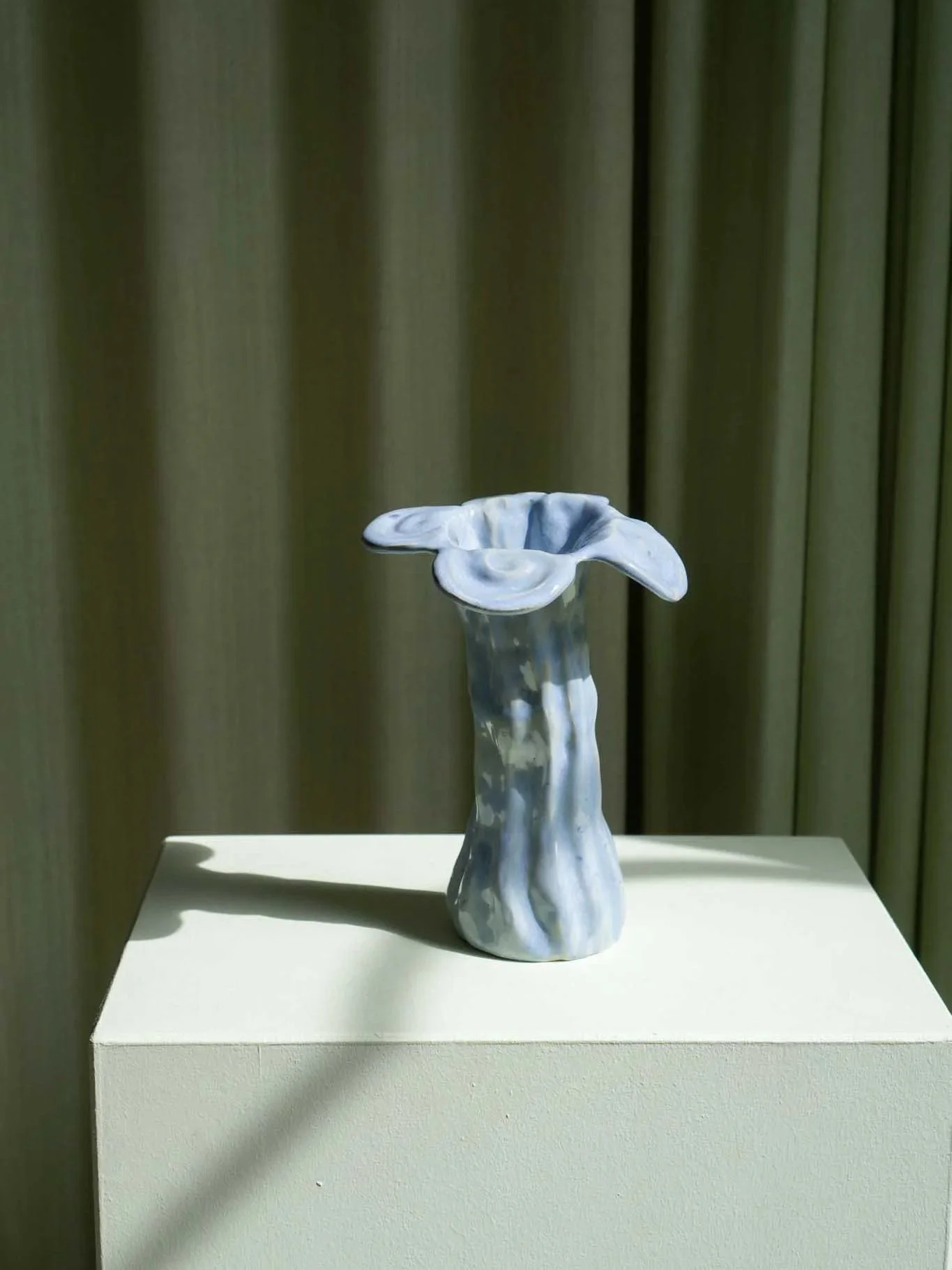
It's a fine line between playful, unexpected, and failed, and that's something I struggle with a lot. Sometimes it works perfectly, other times, it's a noticeable fail, which can be incredibly disheartening. My forms celebrate the unexpected, and in that, there is always room for the unique human touch that makes each piece special. However, the forms still need to function as intended and possess an inherent beauty. I often experience moments and even extended periods where I fail more than I succeed, and this can be really, really hard on both my soul and my ego. When these periods occur, it usually means I need to take a deliberate break and regroup. Even when I'm not physically working with clay, I'm still mentally processing everything, reflecting on what went wrong and how I can approach it differently. This constant struggle to define where playfulness begins and failure ends is, I believe, going to be a perpetual part of my artistic journey.
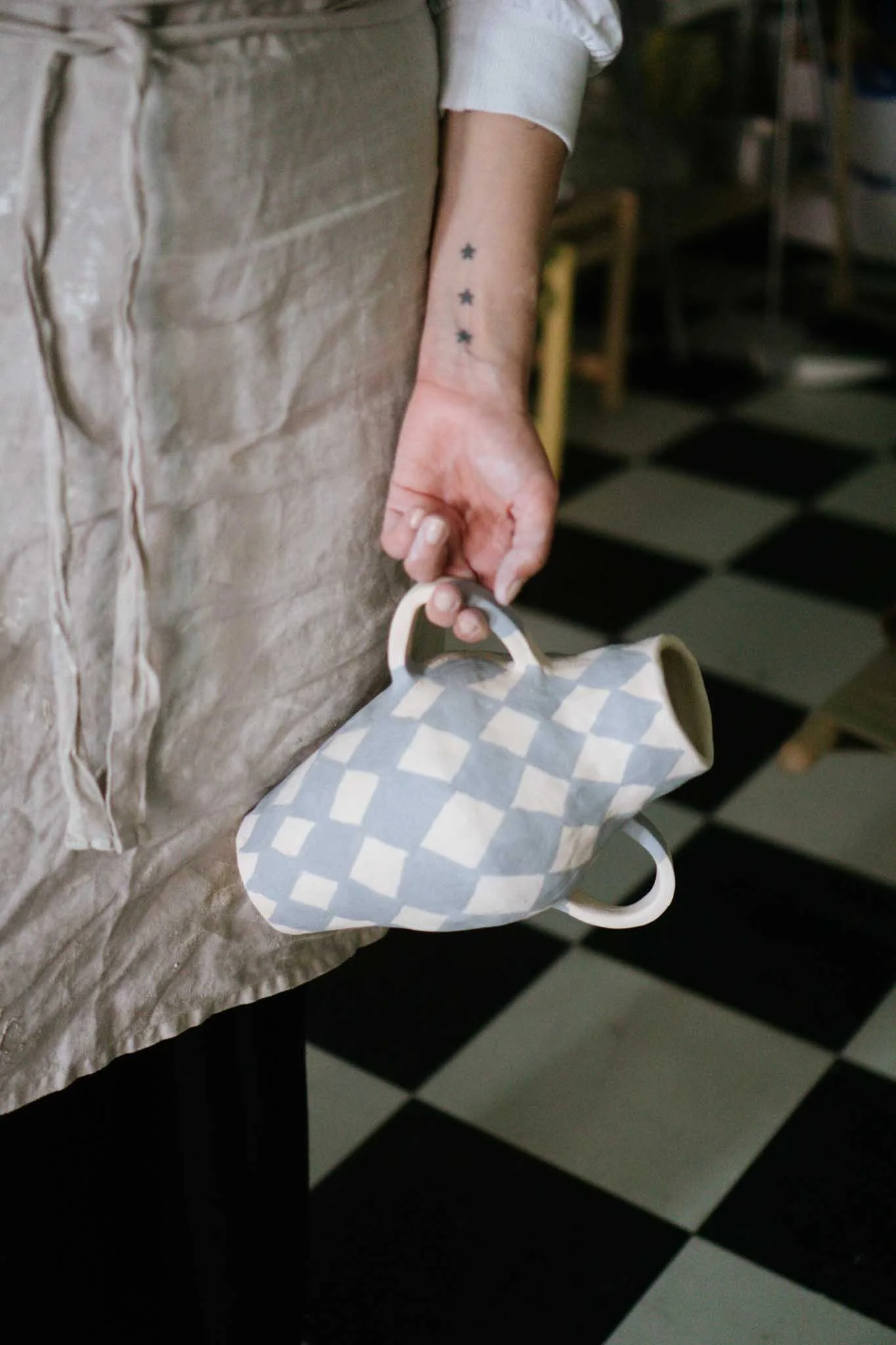
I also make it a point to tell my customers that there are no duplicates; each piece is unique. While I try to create similar pieces, it's almost impossible to make them exactly the same. Sometimes I struggle with this, wishing I could produce duplicates like other ceramicists, but I also see it as my strength—that each piece is unique and reflects who I was the day I made it. I'm often the most critical of my own work, noticing flaws that others don't. This is something I'm working on—to be confident that minor imperfections don't diminish the piece's overall impact, as it's more about how it makes you feel and how it looks.
It's interesting because in Finland, there's a history of design classics that are super perfect and simple, emphasizing timeless design and simplicity. In a way, my style doesn't fit into that at all. That's why I'm happy to reach a more international audience, as I feel my style is not very Finnish in that traditional sense.
When it comes to the tactile aspect of ceramics, how does the physical, hands-on process influence your happiness and well-being, especially in contrast to your editorial work?
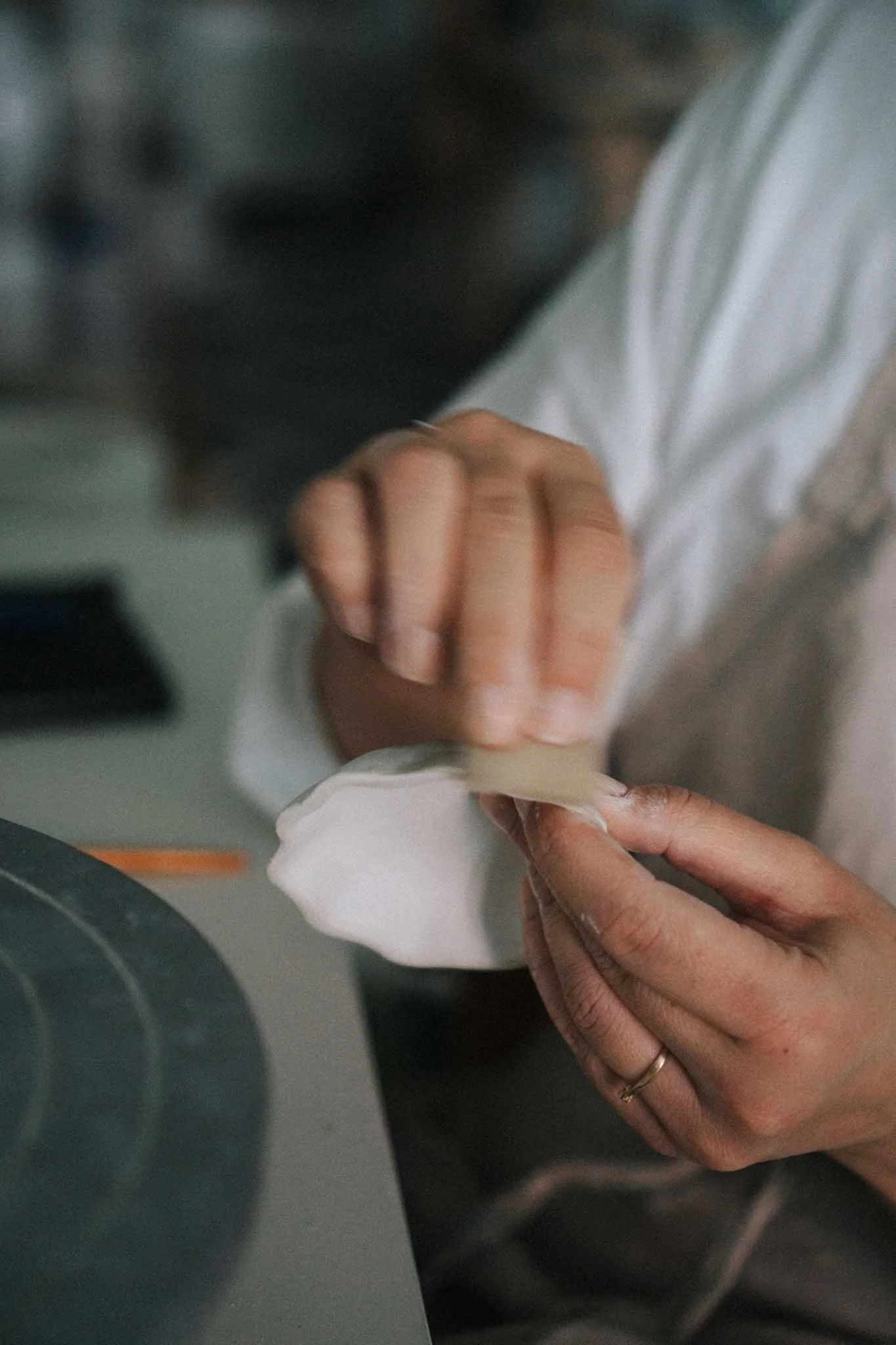
It is a vital part of my happiness! I'm a highly sensitive extrovert person; I need a lot of human contact, and a lot of silence and peace. That might be hard to combine sometimes, but ceramics gives me peace and tranquility. It also excites me, transforms me, evolves, and pushes me. It has, in a very short time period, become one of the most important things in my life. When I started my journey, the physical part was so important—instead of working with a computer, I got to actually touch the earth. I think that's why it's so popular nowadays.
I also felt during the pandemic that I longed so much to come back to the earth and the forest, and just breathe the air. I think a lot of us felt that way. This summer, we rented a summer house two hours from our home, where we could go deep into the forest and be close to nature, picking mushrooms and berries. That has really given me a lot of connection back to nature. It doesn't feel like work; it feels different. Of course, it can be physical, but you don't go with the intention of doing everything in one day. Instead, you listen to your body and are guided by nature. I feel I've become more connected to that during this last year, feeling more inspired by nature and its playful silliness, because it's always surprising me, like everybody, with the most intense colors and surprising forms.
Balancing your career, creative practice, and family life must bring unique perspectives. How do these different aspects of your life inspire or inform each other
It is hard to balance, but in a way all aspects are so different they don’t compete with each other. We have decided early on that our family time is the most important, so we seldom compromise with time away from the kids. So that means I need to be smart and efficient with the time I have. But even though I sometimes struggle with it, “forcing” myself to quit and be present in other parts of my life, make the balance better. I couldn’t find any inspiration if I’m not away from it.
And like I always say - my kids are my biggest inspiration. They have no rules for how you’re allowed to express yourself, and I draw from that always. It's a hard balance, but all aspects are very different, so they don't compete. We prioritize family time, so we rarely compromise on time away from the kids, which means I need to be smart and efficient with my time. Although I sometimes struggle, forcing myself to step away and be present in other parts of my life improves the balance. I couldn't find inspiration if I wasn't away from ceramics. My kids are my biggest inspiration; they have no rules for self-expression, and I constantly draw from that.
For instance, after working hard on a design fair and market, I'm taking this week slow to rest. On normal days, every hour is important when my children are at daycare; when they come home, it's fully family time with no compromise—they always come first. However, I also need time away from my family to pursue ceramics, work out, or meet a friend. Everything is a balance, and all these aspects are equally important. It's crucial to acknowledge that while we could work endlessly on our passions, it doesn't necessarily make the work better or faster. You need time away from everything, even from your kids, to truly appreciate it.
Where do you see the greatest potential for preserving and honoring traditional local crafts in today’s world?
The greatest potential for preserving and honoring traditional local crafts lies in inspiring future generations and integrating crafts into everyday life. By teaching children hands-on crafts and sharing the knowledge of their ancestors, we can ensure these traditions continue. It's also about showing that there are diverse paths beyond traditional routes and encouraging individuals to explore what they love, even if it evolves with age. This approach fosters a society where crafts are accessible, experimental, and a vital part of our lives, offering a balance to computer-based work by engaging our senses and connecting us to nature and our heritage.
Are there any new directions or projects you’re currently exploring that you’re particularly excited about?
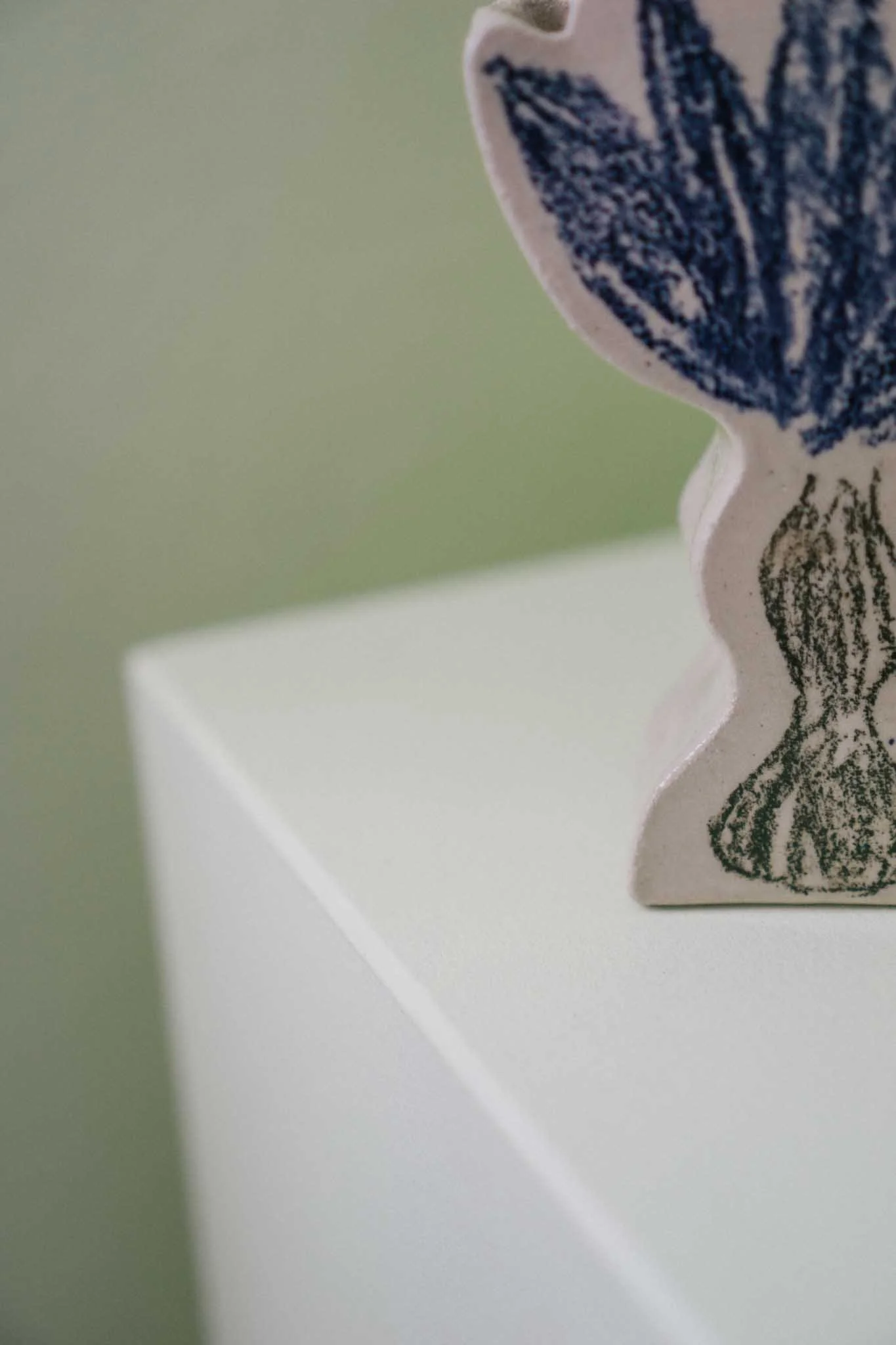
I'm excited for so many things! More people are finding me, which is amazing, and a lot of work is paying off. I'm finding that items I've been working on and perfecting, like my flat vases, really speak to my customers. I want to keep exploring different forms for my plates and vases, swirls, and colors, and, as we discussed, bringing nature into the work. I'm excited to work more with restaurants, creating bigger orders and still staying true to my style. And, my ideas still haven't run out, so I'm really excited!
Where and how can people engage more with your work?
The easiest and fastest way to get in touch with me is through Instagram, where I always answer every single question or comment. If you want to see and touch my items, you can find them at markets or some local stores.
All photos belong to Charlotta.